 Mushroom Health Hub
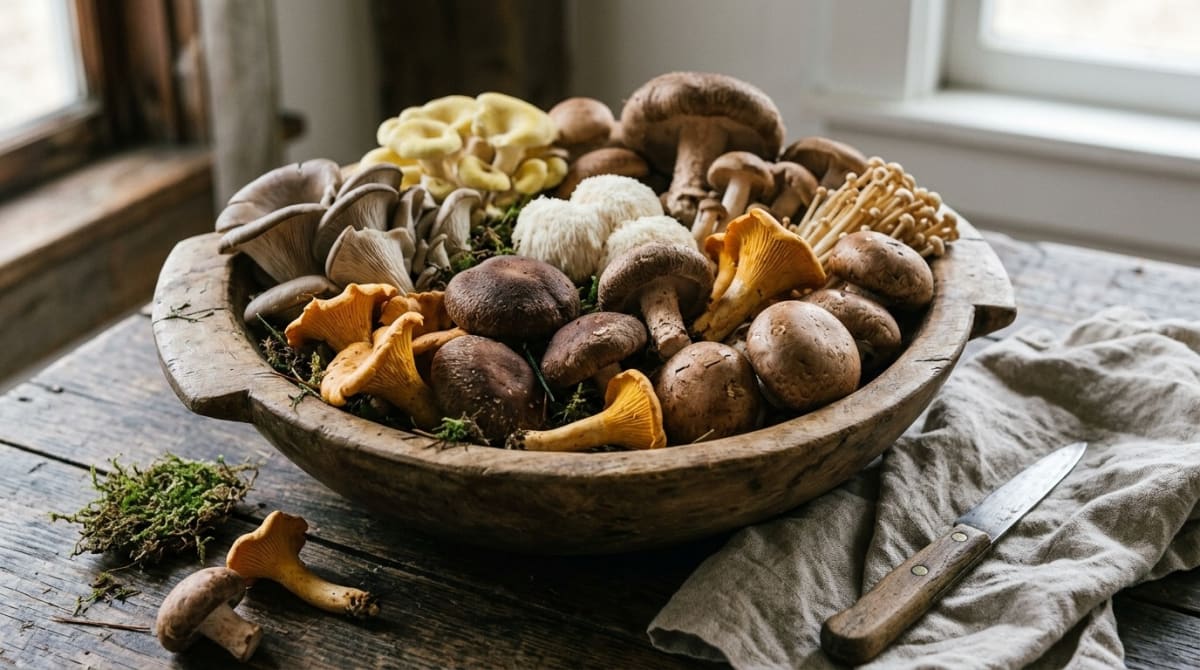
Cooking is supposed to wreck delicate nutrients. For ergothioneine, the best lab data we found points the other way. A 2026 analysis of nine commercial mushroom species measured more ergothioneine in fried and pressure-cooked oyster and shiitake than in the raw mushrooms. The study measured what a lab could extract, not what the body absorbs. That makes the finding a lead, not a verdict. In that data, dried porcini ranked highest, followed by dried oyster and dried morel.
Ergothioneine is an amino acid with antioxidant properties. Humans cannot make it. Mushrooms are a rich dietary source, and bacteria produce it too. We went through both studies below and checked every claim in this article against them, to sort out which mushrooms carry the most and what cooking does.
Key Takeaways
- 1A 2026 lab study of nine commercial species found the most ergothioneine in dried porcini, then dried oyster and dried morel
- 2Fried and pressure-cooked oyster and shiitake showed higher measured ergothioneine than raw, but absorption was not measured
- 3Dried button mushrooms measured about nine times lower than dried shiitake
- 4Blood levels fall after about age 60 and lower levels are linked with faster cognitive decline, an association and not proof of cause
The Longevity Vitamin Explained
Some researchers call ergothioneine the longevity vitamin. Human cells have a dedicated transporter for it, known as SLC22A4 or OCTN1. It pulls ergothioneine in from the gut, and the kidneys reclaim it so the body holds on to what it gets. A 2023 review in the British Journal of Nutrition found that blood levels decline after about age 60. We checked the review's abstract for the timing, and that is where it places the drop. Lower levels are associated with faster cognitive decline. High levels have been linked with lower cardiovascular and overall mortality.
Those are associations. They do not show that raising ergothioneine changes any outcome.
The cell and animal work is more encouraging. The 2026 study notes that earlier research found ergothioneine lengthened lifespan in roundworms and mice, through increased protein crosslinking. Whether eating mushrooms does anything similar in people is not established. We looked in both sources for a human trial that tests mushroom intake against an aging or cognitive outcome and found none.
Mushroom Ergothioneine Levels Compared
The 2026 study tested nine commercial species across 56 samples. It is a snapshot, not a ranking of every mushroom. Dried porcini came out highest at 0.904 mg per gram. Dried oyster followed at 0.511 and dried morel at 0.207. Dried shiitake measured 0.171 and dried lion's mane powder 0.143. Fresh button mushrooms were close to zero at 0.0002 mg per gram, and matsutake fell below the level the lab could quantify. Ten of the 56 samples had no detectable ergothioneine at all.
Those numbers mix forms. Dried samples are concentrated, so fresh and dried values cannot be compared directly. When we put them side by side, we recalculated using dried samples only. The gap is still large. Dried button measured 0.019 mg per gram against 0.171 for dried shiitake, about nine times lower. We looked for maitake in the study's table and it is not there, so we cannot place it from these data.
The authors found that concentrations appeared highest in species able to break down cellulose, which includes many wood-decaying mushrooms. They call the link correlational and say more field collections are needed. We would not treat it as a shopping rule.
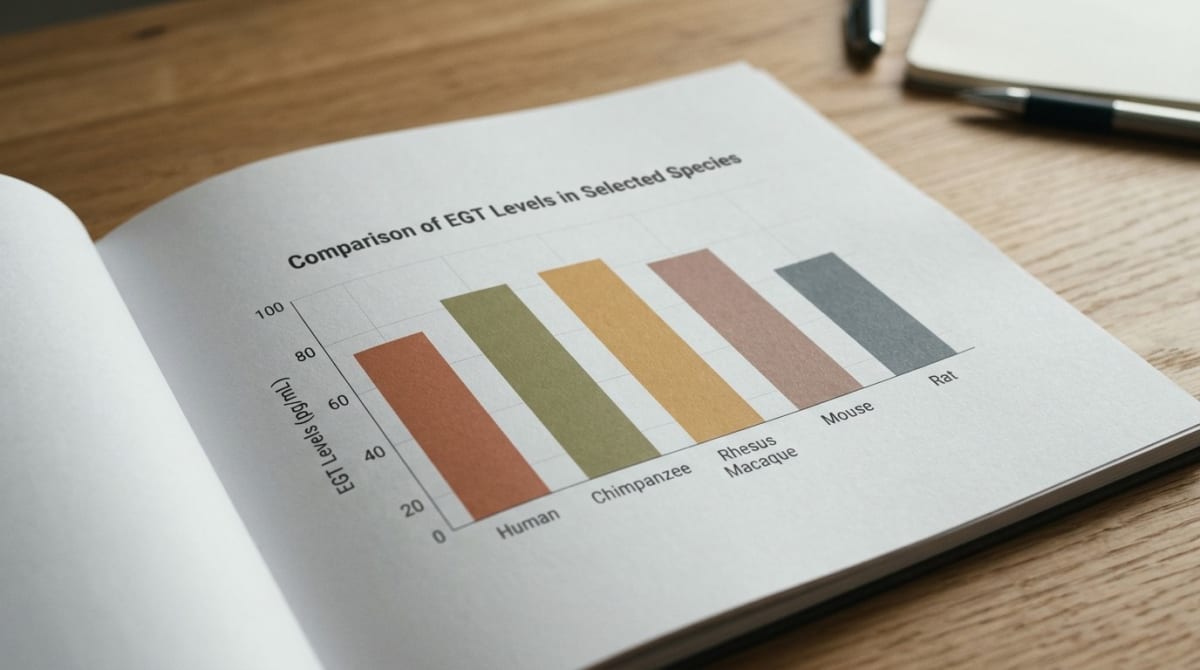
Other labs report higher absolute numbers. A 2017 survey in Food Chemistry found ergothioneine ranging from 0.15 to 7.27 mg per gram dry weight across species, with caps higher than stems. Values shift with method, strain and growing conditions. We would treat the 2026 figures as a way to compare species, not as a guide to what a serving delivers.
What Cooking Did in the Lab
The study compared raw oyster and shiitake with two cooked versions. One was autoclaved for 20 minutes at 120 degrees C, a stand-in for pressure cooking. The other was fried for 10 to 12 minutes in avocado oil. Both cooked versions showed higher measured ergothioneine than raw. Fried oyster rose about tenfold, well beyond the two to three times that water loss alone would explain. We could not find percentages for the shiitake or autoclave results in the text. They appear only in the paper's figures.
Ergothioneine itself held up under heat. The authors say it does not appear to degrade. Their explanation is a guess. Cooking may release ergothioneine that the lab's acidic methanol extraction misses in raw tissue. They also suggest bioavailability could increase, but they did not measure absorption. Cooking did not destroy ergothioneine and may make more of it measurable. Whether it changes how much reaches the blood is untested.
Boiling was not tested. The authors cite earlier work reporting that boiling lowers ergothioneine in shiitake. If you boil mushrooms for soup, keeping the liquid is a sensible hedge. A quick sauté in oil is close to the frying method the study used, and it is an easy way to cook them. Our maitake cooking guide covers the technique, though maitake itself was not in this study.
Our ergothioneine explainer covers the basics. None of this is medical advice. Anyone managing a health condition should talk with a doctor before changing their diet for a specific outcome.
Frequently Asked Questions

A dedicated wellness researcher who spent decades cataloging the impact of forest-based nutrition on human aging. Ashley doesn't care about trends; she cares about the data.
References & Further Reading
- Ergothioneine: an underrecognised dietary micronutrient required for healthy ageing?. Br J Nutr 2023 — Br J Nutr (2023)
- Interspecies distribution and processing stability of ergothioneine and histidine in commercially available mushrooms. MicroPubl Biol 2026 — MicroPubl Biol (2026)
- Mushrooms: A rich source of the antioxidants ergothioneine and glutathione. Food Chem 2017 — Food Chem (2017)