 Mushroom Health Hub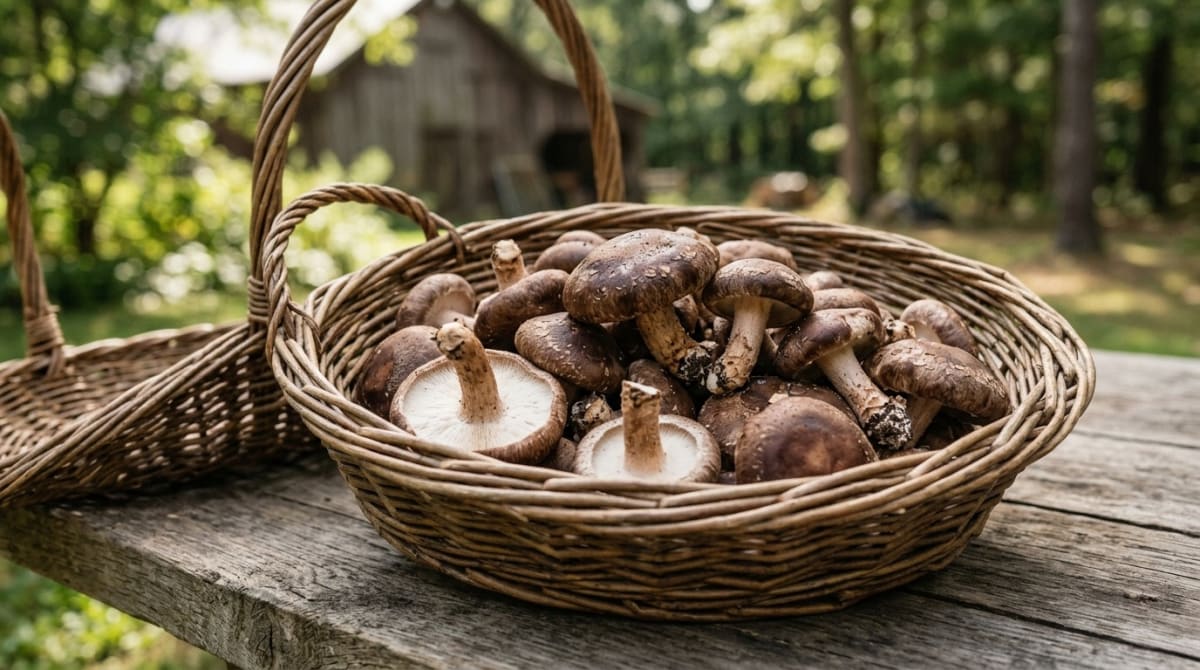
Most people think eating a few shiitake mushrooms drops their cholesterol overnight. It absolutely does not. We pulled the animal data tracking hepatic lipid processing across 28-day feeding protocols to test what modern wellness brands keep selling online. Getting this mechanism wrong could quietly stress the liver.
Shiitake hides a purine alkaloid called eritadenine that completely rewires how the body packages fat. When researchers push concentrated doses of this extract into mice on high-fat diets, their blood lipid panels shift fast, revealing a massive metabolic reroute that kicks in long before any actual weight loss shows up on the scale. This is exactly why scientists originally isolated the compound back in the 1960s. Human evidence remains stubbornly scarce. Influencers constantly misread how this fungal chemical behaves in a living mammal, promising miracle cures based on rodent trials they barely skimmed.
Key Takeaways
- 1Eritadenine blocks the liver's PEMT enzyme, halting fat export into the bloodstream
- 2Blood cholesterol drops while liver fat simultaneously accumulates - the paradox wellness brands never mention
- 3Low choline intake alongside high-dose shiitake can trigger fatty liver by crashing the backup transport system
- 4No human clinical trials exist; all evidence comes from rodent studies using doses far beyond normal cooking amounts
What Is Eritadenine and Where It Hides
We are talking about a rare purine alkaloid that lives almost exclusively inside Lentinula edodes - the standard grocery store shiitake. Down at the molecular level it looks exactly like adenosine, a core building block for human DNA and cellular energy production. Thanks to that structural camouflage, the mushroom compound slips into cellular receptors and shuts down normal biological traffic.
Japanese researchers originally pulled this unique chemical out of the mushroom in the late 1960s while investigating why rural farming communities eating large amounts of these fungi had different metabolic health markers than city populations. They called it lentinacin at first. Today we use the standard scientific label.
So where does it hide? Dried shiitake caps pack the densest natural payload. Fresh grocery store picks hold significantly less active material since ambient water weight dilutes the final concentration. Do not look for it in oyster mushrooms or turkey tail or lion's mane. It belongs exclusively to shiitake.
How we cook them decides if any of the chemical survives to reach the plate. Boiling the caps for hours pulls the compound right into the surrounding broth. Hitting them with high-heat frying destroys the molecular structure completely.
The Liver Lock and Enzyme Targets
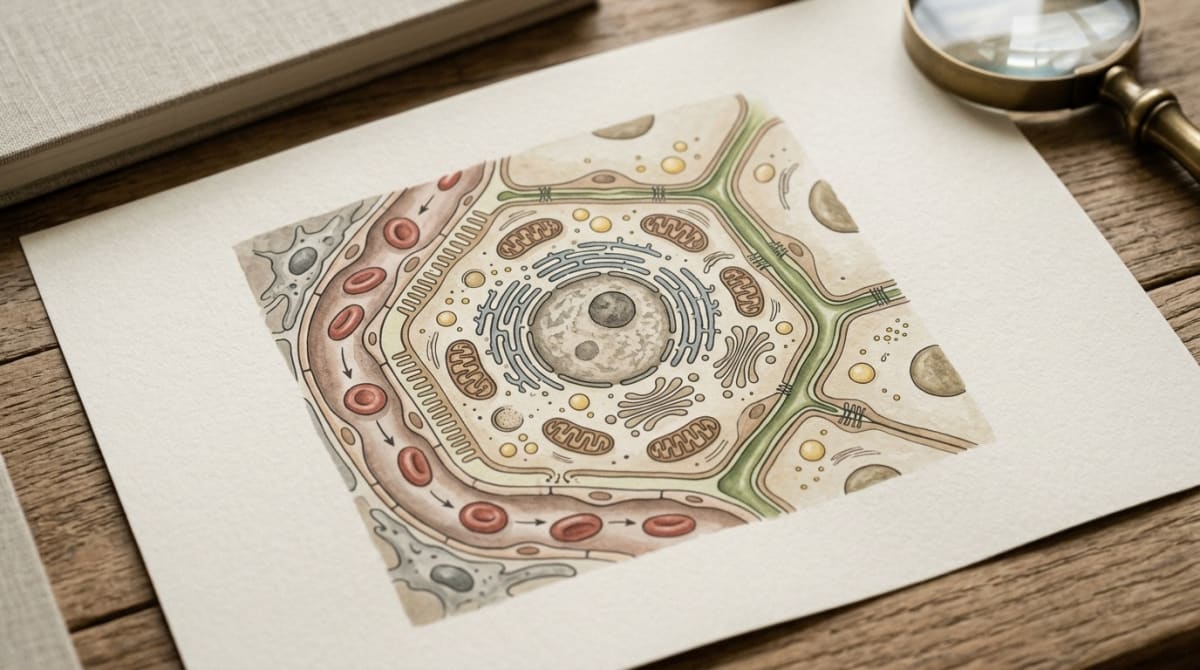
Think of the human liver as a massive shipping warehouse handling dietary fats. It bundles triglycerides and cholesterol into outgoing delivery vehicles that biologists call very low-density lipoproteins (VLDL). To build these vehicles, the liver needs phosphatidylcholine. Cranking out those lipid transport packages requires a highly specialized enzyme called PEMT.
Eritadenine blocks this enzyme. Once the alkaloid hits the hepatic system it latches onto PEMT and prevents it from methylating precursor molecules, which instantly halts production and triggers a backlog. Since the liver can no longer build enough phosphatidylcholine to assemble VLDL vehicles, fats end up trapped locally instead of flushing into the bloodstream.
Blood cholesterol levels drop sharply. Systemic lipid profiles look phenomenal on paper. The problem is that the fat still exists and has to go somewhere. The liver holds onto the lipids it cannot export. The resulting shift creates a biochemical paradox where blood tests look flawless right as hepatic storage reaches critical capacity.
The Choline Connection and Liver Health
This is the single most misunderstood piece of the puzzle. Jamming up the PEMT enzyme creates serious unintended side effects if the rest of the diet lacks support. If a body lacks adequate dietary choline from other food sources, this exact mechanism can trigger localized fatty liver issues as that cellular warehouse overflows with unshipped cargo.
The liver uses choline to manufacture phosphatidylcholine through a separate metabolic backdoor. The PEMT enzyme is just one way to build those lipid transport packages. When eritadenine breaks the primary machine, the backup system has to shoulder the entire workload. Eating a low choline diet means that backup system crashes too. Fat piles up in liver tissue.
A 1995 Journal of Nutrition paper tracked this dynamic by feeding rats varying amounts of dietary choline alongside isolated mushroom alkaloids over weeks of daily observation. Plasma cholesterol crashed regardless of what the animals ate. But the high choline group entirely avoided the fatty liver side effects that appear when PEMT gets blocked. They kept a healthy liver while maintaining lower blood lipids. A heavy shiitake protocol without accompanying eggs or beef liver could quietly stress the hepatic system.
What Animal Studies Reveal About Lipid Metabolism
We cannot ignore the gap between animal models and human reality. Rodent studies still give us the clearest window into the mechanism. Laboratory mice handle lipids differently than we do. But the published numbers remain the best data available.
One 2014 Nutrients study watched rats on high-fat diets spiked with heavy doses of shiitake powder. Their hepatic tissues gathered severe amounts of triacylglycerol while circulating blood lipids dropped, which proved the mushroom forces existing fat through alternative metabolic routes just to clear the bloodstream. All that rerouting scrambles the phospholipid ratios across the body. The ratio of phosphatidylcholine to phosphatidylethanolamine takes a sharp dive. That specific molecular dip signals the liver to halt cholesterol biosynthesis. It is worth noting that the beta-glucans in shiitake operate through a completely separate immune pathway - the cholesterol effects tracked in these trials come specifically from eritadenine, not the polysaccharide fraction.
A 2013 trial watched hypercholesterolemic mice clear fat out of their bloodstreams after daily fungal extract doses. The lab team recorded broad improvements in overall metabolic markers. Every published animal model points to the same destination. Blood lipids drop fast. Liver lipids spike upward to compensate for those missing transport proteins. Anyone interested in broader metabolic mushroom effects should also look at how maitake affects blood sugar - the two mechanisms are distinct but both reveal how fungi can redirect metabolic traffic without caloric restriction.
Why Human Trials Fall Short
People wonder why cardiologists do not prescribe this compound for lipid disorders. The reason is simple. We do not have the human data. Most evidence stems from mice eating absurdly large doses. Running proper human clinical trials costs millions of dollars. Pharmaceutical companies refuse to bankroll studies on isolated eritadenine because natural compounds are virtually impossible to patent at scale.
We also run into a serious dosage math problem. A lab rat eating a daily diet of five percent pure shiitake powder is consuming the human equivalent of several large bowls of dried mushrooms every single morning. Nobody maintains that eating schedule. We simply cannot hit therapeutic compound concentrations through casual cooking. A bowl of restaurant mushroom soup will never move the needle on routine blood work.
Dosage Reality and Practical Application
Hunting down isolated eritadenine on a supplement shelf is currently impossible. Wellness brands rarely extract it. They push whole fruiting body powders or generic hot water extracts that only hold trace amounts of the alkaloid alongside beta-glucans and other polysaccharides.
To maximize natural intake, buy whole dried shiitake and handle the prep in your own kitchen. Soak the dried caps in warm water for thirty minutes. The soaking liquid turns dark amber and smells faintly of earth and umami within the first ten minutes. Drink it. The purine alkaloid is water-soluble and bleeds right into the broth while the mushrooms rehydrate. We use that dark fungal stock as a foundational base for weekly soups - the flavor is subtle enough to disappear into miso or bone broth while delivering every available molecule without throwing the fragile alkaloids into a destructive frying pan. If you are pairing this protocol with other functional fungi, see our guide on combining mushroom supplements for stacking considerations.
Treat this as a very long game. Shiitake works as a quiet longevity tool that supports healthy aging across decades. It is not a replacement for prescription statins, and it should never be used to treat diagnosed hypercholesterolemia without medical supervision.
Frequently Asked Questions

A dedicated wellness researcher who spent decades cataloging the impact of forest-based nutrition on human aging. Ashley doesn't care about trends; she cares about the data.
References & Further Reading
- A High-Dose Shiitake Mushroom Increases Hepatic Accumulation of Triacylglycerol in Rats Fed a High-Fat Diet: Underlying Mechanism. Nutrients 2014 — Nutrients (2014)
- Lentinus edodes promotes fat removal in hypercholesterolemic mice. Exp Ther Med 2013 — Exp Ther Med (2013)
- Hypocholesterolemic action of eritadenine is mediated by a modification of hepatic phospholipid metabolism in rats. J Nutr 1995 — J Nutr (1995)