 Mushroom Health Hub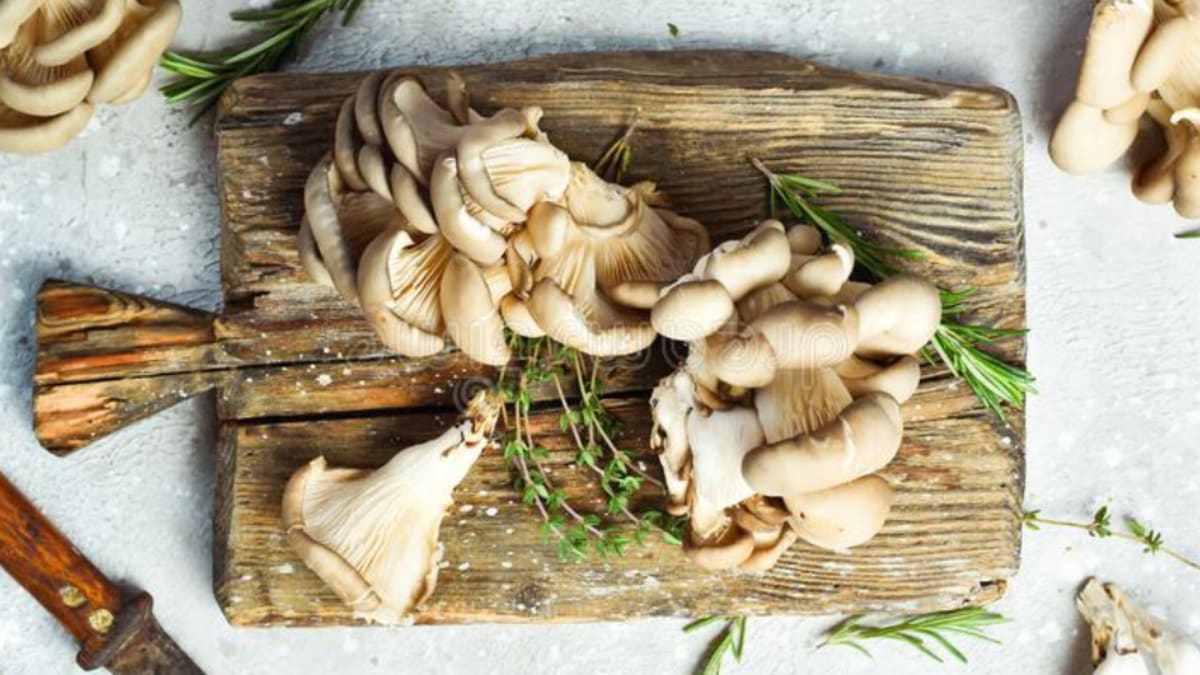
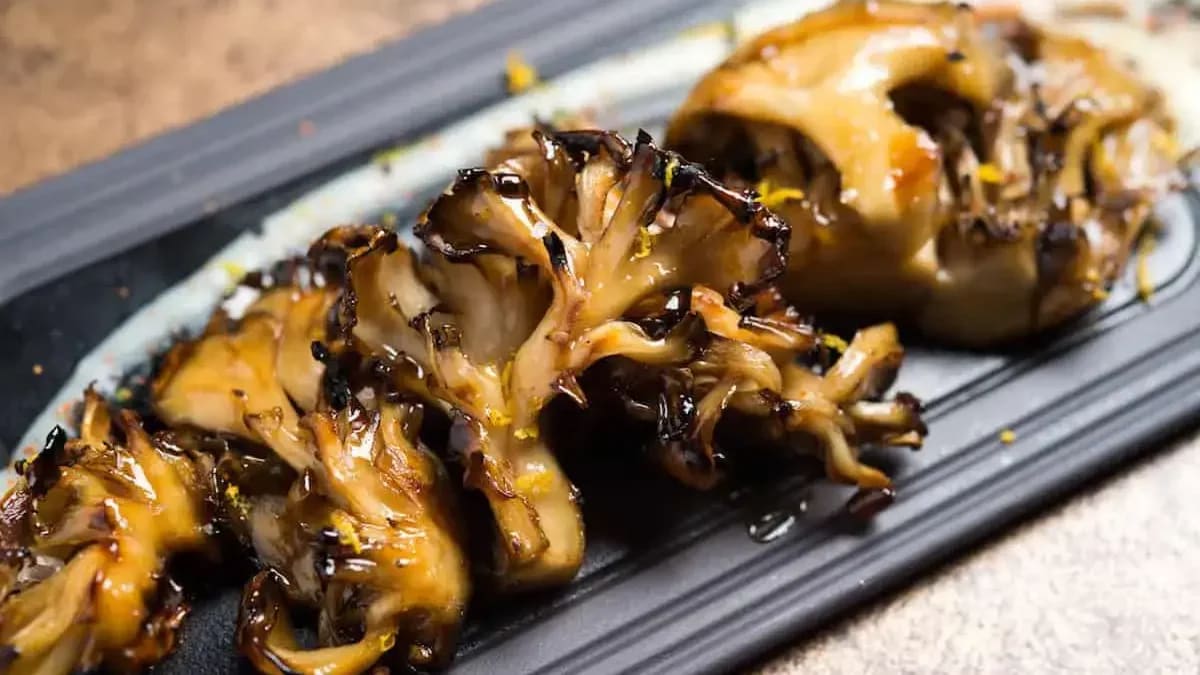
Tear the clusters by hand. We do this to preserve the natural frilled structure of the caps. Dry-searing the torn segments in a blazing skillet for three to four minutes per side before introducing any cooking fats or broths drives off surface moisture to trigger the Maillard reaction, yielding a deep savory pull alongside a dense, satisfying chew. The crust hits fast. The inside stays pliant.
Rigid chitin cell walls are what block human digestion here. Applying heat fractures that matrix to release beta-glucans and bound proteins. A 2021 study in the journal Molecules found that high levels of glutamic and aspartic amino acids are what make the difference for the intense umami flavor developed during high-heat cooking applications alongside the formation of a caramelized shell. We track nutrient survival closely in our test kitchen. Searing locks the polysaccharides down. Simmering pulls them straight into the water. Drink the broth.
Key Takeaways
- 1Dry-sear in a bare cast-iron skillet for 4 minutes before adding any fat. The initial oil-free phase drives off surface moisture to trigger the Maillard reaction
- 2Sun-expose raw clusters for 30-60 minutes before cooking. A 2025 MDPI study confirms this significantly increases vitamin D2 content from ergosterol conversion
- 3Never crowd the pan. Cold fridge-temperature mushrooms dropped into an overcrowded skillet will drop the pan temperature and steam instead of sear
- 4Save the tough stem cores for broth. The dense basal tissue holds the highest concentration of D-fraction beta-glucans and rewards long, slow simmering
What You Need
- Fresh maitake clusters
- A heavy cast-iron skillet or carbon steel pan
- High-smoke-point cooking fat
- A stiff spatula or a grill press
Heavy metal pans are what we rely on to force a reliable crust. Dense iron holds onto thermal energy when cold fridge-temperature ingredients suddenly hit the cooking surface. It prevents the temperature from crashing. Otherwise you just get steamed fungi. Flimsy non-stick pans cannot safely handle the intense heat required for a proper dry sear without breaking down the synthetic coating, dumping noxious fumes into the kitchen air, and permanently thrashing both the cookware and the flavor of the harvest.
Ergosterol is the chemical precursor to vitamin D2 sitting inside these caps. A 2025 MDPI study found that exposing raw mushrooms to direct sunlight for thirty to sixty minutes before cooking increases their vitamin D2 content, providing a dietary source of this nutrient without requiring dietary supplements or synthetic fortification. We drop the raw clusters right on a sunny windowsill. Ultraviolet radiation shifts the ergosterol. The cooking heat leaves it intact.
The Dry-Sear Method
- Dust the caps with a dry paper towel. Rinsing introduces heavy water weight. Liquid kills the sear. Slice the dirty base off.
- Pull the clusters apart into bite-sized chunks by following the vertical grain of the stem. A knife creates perfectly flat geometric surfaces that sit flush against the hot metal and trap escaping steam. Manual tearing creates highly irregular jagged edges that maximize the available surface area for explosive crisping.
- Heat a cast-iron skillet on medium-high. Give it three minutes. The iron must be screaming hot.
- Spread the torn segments in a single uncrowded layer across the completely bare pan. Smash them down hard using a stiff metal spatula. Let them cook totally undisturbed for four minutes.
- Flip the browned chunks. Now add a tablespoon of oil to the skillet. The seared exteriors block the fat from soaking in. Cook for two minutes.
The Extraction Broth Method
- Strip the thin leafy caps away. The core base is dense. Reserve these solid central trunks for long-simmered liquid extractions.
- Drop the tough stems into a pot of cold water and push the heat to force a rolling boil before dropping the dial to low and throwing a lid on the pot. This slow extraction technique drags the D-fraction beta-glucans out of the chitin matrix and suspends them directly in the liquid to maximize the health benefits of the fibrous basal tissue.
- Toss the reserved delicate fronds into the simmering liquid during the final ten minutes of the run. Adding them too early just yields sludge. Tossing them in late preserves their structural integrity. Drink the broth.
The Roasting Method
- Crank the oven to 400 degrees Fahrenheit. Lower temperatures trap the internal moisture. The bites just turn rubbery.
- Toss the torn pieces in a wide bowl with a sparse splash of olive oil and a heavy pinch of coarse kosher salt. Spread the oiled chunks in a single flat layer on a bare metal baking sheet with enough empty space between every piece to allow the escaping steam to vent off harmlessly.
- Roast for twenty minutes. The frilly edges get dark.
- Leave the payload on the blistering baking tray for five minutes after pulling it from the oven. Carryover heat finishes the crisping phase. The segments firm up.
Flavor Pairings and Ingredient Stacking
Maitake carries a notoriously heavy earthy profile. We balance out the natural bitterness. Splashes of soy sauce or smears of white miso paste drag in high salt and sharp acidity. These pungent additions amplify the umami baseline. We frequently throw in sprigs of fresh thyme and aggressively bruised garlic cloves to complement the woodsy aroma without burying the fragile fronds under too much noise, a careful balancing act that centers the fungi directly and highlights its subtle peppery notes.
Do not waste expensive finishing oils yet. Toasted sesame oil scorches fast. The scorched fat turns sharply medicinal. We cook the raw harvest using refined avocado oil or clarified butter. We then pour the finishing oils over the plated dish far away from the active burner. This shields the volatile compounds. The final plate retains those untouched aromatics.
Common Mistakes
Massive harvests require processing in separate batches. Jamming the cooking surface drops the ambient pan temperature into the basement. The fungal tissue dumps its cellular water all at once, creating a swampy pool of liquid in the skillet that causes the maitake to essentially boil in its own juices and ultimately turns the desired caramelized exterior into a sad, rubbery chew. Leave visible black iron between the scattered pieces.
Salting too early kicks off immediate osmosis. It drags internal water out long before the ambient heat can evaporate the moisture. We hold the salt until the absolute end. When building broths we season the liquid during the final five minutes of the simmer. This shields the floating caps.
Gritty soil clings tightly to the bottom trunk. Chop the dirty base off. Rinsing the whole cluster under the sink ruins the meal. Another major error involves throwing the tough stems in the trash. The central core holds the highest density of beta-glucans and structural fibers, making these thick parts excellent candidates for potent healing decoctions and rich culinary stocks when simmered low for sixty minutes. Stop wasting the stems. Save them for the stockpot.
Frequently Asked Questions

A dedicated wellness researcher who spent decades cataloging the impact of forest-based nutrition on human aging. Ashley doesn't care about trends; she cares about the data.
References & Further Reading
- Molecules 2021 — Molecules (2021)
- Foods 2025 — MDPI Foods (2025)
- Frontiers in Nutrition 2023 — Frontiers in Nutrition (2023)