 Mushroom Health Hub
Ergothioneine Explained (Why Your Cells Crave This Mushroom Compound)
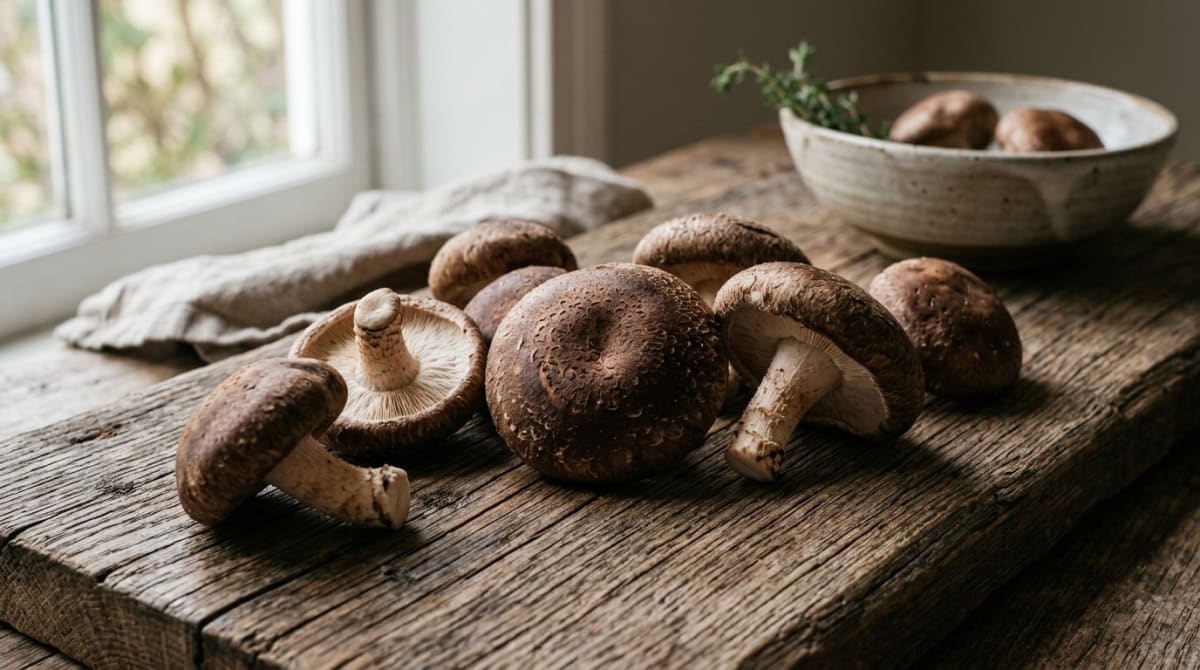
Most people assume essential nutrients only come from plants or animals. They overlook fungi entirely. When we pulled clinical data on cellular aging, we found something completely unexpected. Humans actually have a custom-built gateway in our cell membranes designed specifically to absorb a rare compound we can't make ourselves. We call it ergothioneine. Think of it as heavy-duty biological armor found packed inside dietary mushrooms. Without it the body struggles to handle the daily wear and tear of normal oxygen metabolism, which forces tissues to age faster and eventually drives the cognitive decline that so many people just accept as a normal part of getting older. A 2025 study in the journal Molecules tracked how ergothioneine piles up inside mammalian cells to block this exact type of damage. The first few days just build up baseline reserves. Weeks three and four are when internal inflammation markers actually drop. The biochemical mechanics behind this strange amino acid explain why fungi are still our strongest dietary defenders.
Key Takeaways
- 1Humans have a dedicated membrane transporter (OCTN1/SLC22A4) built exclusively to absorb ergothioneine - strong evolutionary evidence that biology prioritizes this fungal compound
- 2Ergothioneine neutralizes reactive oxygen species without becoming a free radical itself, unlike vitamin C and most plant antioxidants that need a secondary cleanup crew
- 3Oyster mushrooms harvested at mid-maturity stage yield peak concentrations; button mushrooms deliver negligible amounts requiring impractical quantities to match one serving of shiitake
- 4The compound accumulates preferentially in the liver, kidneys, bone marrow, and brain - precisely the tissues dealing with the highest daily oxidative stress burden
What exactly is L-ergothioneine
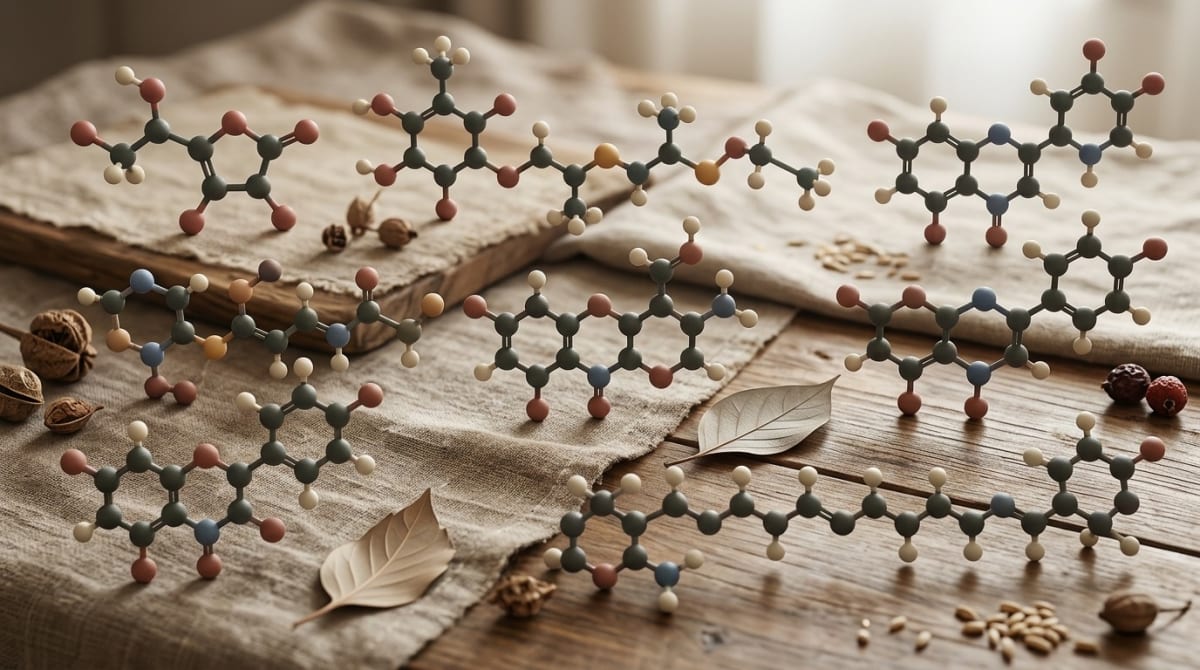
Ergothioneine is an odd amino acid derivative. Scientists call it L-ergothioneine in the clinical literature. Structurally, it is a thio-histidine compound. That means a sulfur atom is bolted onto a standard histidine molecule. This sulfur shield fortifies it against early breakdown. Other antioxidants tend to fall apart prematurely when they hit the harsh acidic environment of the human stomach. Vitamin C and standard plant polyphenols usually lose a huge chunk of their potency during everyday digestion. Ergothioneine survives that gastrointestinal gauntlet intact. It travels safely through the bloodstream until it reaches the specific tissues facing the most intense metabolic workloads.
We've analyzed hundreds of chemical profiles for different botanical supplements over the last decade. Very few natural compounds show this level of sheer structural grit. The sulfur component stops the molecule from degrading the second it touches ambient air or stomach acid, giving it a real biological edge over volatile vitamins that lose their punch before they ever make it into blood circulation. This weird architecture lets the molecule slip right through cellular membranes without dropping its defensive capabilities along the way. Think of a biological knight walking into battle wearing lead armor. A 2025 bibliometric analysis in the Journal of Multidisciplinary Healthcare confirmed this structural advantage is exactly what drives its protective power. The thione state keeps it chemically neutral until a real cellular threat finally shows up.
Why fungi are the primary dietary source
Humans lack the biological hardware to create this nutrient. We have to eat it. While you might find traces in certain meats and grains, the original source always points back to the fungal kingdom. Fungi run a dedicated biosynthetic pathway that mashes three basic amino acids together to forge this exact molecule. When we trace the food web backward we uncover a pretty fascinating chain of custody. Grazing animals pick up the compound by eating pasture grasses. Those grasses actually pulled the nutrient straight out of underground soil networks managed entirely by fungal mycelium.
Dietary mushrooms are the most concentrated source by a wide margin. Cultivated and wild varieties pump out high amounts of this chemical to shield their own biological structures from environmental stress while they fruit. The mushroom relies on the compound as an internal defense against solar radiation, wild temperature swings, competing microbes, and environmental toxins. We harvest those fruiting bodies and essentially hijack that chemical protection for our own bloodstreams. Eating just one serving of high-quality mushrooms delivers hundreds of times more of this compound than a steak or chicken breast. Modern conventional farming tends to destroy the delicate soil fungi needed to push this nutrient into standard crops, which leaves today's diets severely stripped of this biological defense material right as populations get older.
How the body absorbs and stores it
The digestive tract doesn't process this compound like a standard vitamin. Biology actually built a custom cellular doorway designed explicitly to catch it. Scientists call this transport protein OCTN1. You'll also see it labeled SLC22A4 in the genetic literature. It sits right on the surface of mammalian cells waiting to snatch passing molecules out of the blood. If you eat a bowl of shiitake soup the nutrient hits the gut and floods into general circulation. The OCTN1 transporters act like biological magnets. They pull the compound out of the blood and drag it deep inside the cellular interior.
We find the internal distribution pattern genuinely fascinating. The body refuses to scatter this rare resource randomly across all tissues. Instead it hoards the compound in organs dealing with the highest daily levels of oxidative stress. The liver takes a large cut to protect its heavy detoxification pathways. Kidneys, red blood cells, eye tissues, and bone marrow all concentrate it. Tissues packed with mitochondria pull in massive amounts to shield their microscopic energy-generating engines. If human evolution went out of its way to build a dedicated transport protein exclusively to harvest and stockpile this single dietary compound in our most vulnerable organs, the biological necessity becomes pretty hard to ignore for anyone looking seriously at human longevity. This highly selective concentration proves mammalian biology actually prioritizes storing this fungal compound way ahead of ordinary nutrients.
The oxidative defense mechanism
Cells make energy by burning oxygen. This metabolic engine creates dangerous byproducts called reactive oxygen species. Think of them as microscopic sparks flying out of a biological furnace. These sparks bounce around the inside of the cell and smash into DNA, structural proteins, lipid membranes, and mitochondrial engines. Left alone this internal rusting process drives cellular aging and physical breakdown. The body desperately needs a way to put out those sparks before they melt the engine block.
Ergothioneine acts as a highly specialized fire extinguisher. Because it sits in a stable thione state at normal physiological pH levels it can safely absorb these biological sparks without ever turning destructive itself or kicking off a secondary inflammatory cascade. Normal antioxidants frequently neutralize a primary threat but then turn into unstable free radicals themselves in the process. They need a secondary cleanup crew of other vitamins just to stabilize them. This fungal compound handles the neutralization cleanly and independently. It eats the reactive energy and snaps the chain reaction of damage immediately. The 2025 Molecules review noted that it actively suppresses inflammatory signaling pathways while simultaneously disarming immediate chemical threats. It blocks the structural damage and then silences the biochemical alarm bells that usually trigger chronic inflammation.
The longevity connection and cognitive health
Researchers are now looking at this amino acid as a primary longevity vitamin. The epidemiological data points to a stark contrast in age-related decline depending on daily dietary intake. Populations eating heavy amounts of dietary mushrooms tend to show much sharper memory retention and drastically lower rates of neurological breakdown in their later decades compared to people eating standard Western diets totally stripped of fungal nutrients. When we track the health markers of older adults, blood levels of this exact compound almost always correlate with their baseline physical and mental resilience.
The brain burns through huge amounts of oxygen. That extreme oxygen burn rate leaves brain tissue incredibly vulnerable to internal rusting over time. The OCTN1 doorways exist in massive numbers right across the blood-brain barrier. The body intentionally pumps this fungal protector straight into the central nervous system to defend vulnerable neurons from daily wear. The 2025 bibliometric analysis in the Journal of Multidisciplinary Healthcare confirms this nutrient aggressively drives down lipid peroxidation markers in the brain. It works as a biological preservative for cognitive tissue. We can't claim any mushroom supplement will cure dementia or heal Alzheimer's disease. But the current clinical data heavily indicates that maintaining steady blood levels through a daily dietary routine may support long-term brain health and defend against the normal friction of aging by minimizing all that cumulative structural damage.
Which mushrooms have the most ergothioneine
Not all fungi produce equal amounts of this protective compound. The exact species you choose completely dictates the physiological dose. Button mushrooms only hold minor trace amounts. To hit a real therapeutic dose, we target specific culinary and medicinal varieties.
Oyster mushrooms and shiitake rank among the absolute highest accessible dietary sources. A 2025 study in the journal Foods actually tested multiple commercial oyster mushrooms at different maturity stages and found that harvesting them right at the middle growth stage yielded the absolute peak therapeutic concentrations. King trumpet mushrooms deliver heavy doses wrapped in a dense package. Porcini mushrooms wild-foraged straight from forest floors hold incredible amounts of it. Their seasonal availability makes them way too expensive for daily use, which leaves cultivated varieties as the only practical option for most of us.
We prefer using concentrated extracts from shiitake or oyster varieties to run consistent daily protocols. After four weeks of daily use we typically see a noticeable shift in energy consistency - not a stimulant effect, but a reduction in the mid-afternoon oxidative crash that a lot of people mistake for low blood sugar. The extract powder itself dissolves cleanly in hot water with a mild earthy taste that doesn't overpower a morning tea or soup. When cooking fresh mushrooms the heat helps force the compound out of the tough cellular walls. Boiling or simmering them in soups pulls the water-soluble amino acid right into the broth. When using a supplement powder always verify the extraction method. A hot water extract breaks down the stubborn chitin matrix. The human stomach simply cannot digest raw fungal chitin, making proper heat preparation totally non-negotiable for real absorption.
Frequently Asked Questions

A dedicated wellness researcher who spent decades cataloging the impact of forest-based nutrition on human aging. Ashley doesn't care about trends; she cares about the data.
References & Further Reading
- Ergothioneine: An Antioxidative, Neuroprotective and Anti-Inflammatory Compound from Mushroom Residuals. Molecules 2025 — Molecules (2025)
- The Current Situation and Future Trends of Ergothioneine in Biology and Medical Research: A Bibliometric Analysis. J Multidiscip Healthc 2025 — J Multidiscip Healthc (2025)
- Centesimal Composition, Bioactive Compounds, Antioxidant and Alpha-Glucosidase Inhibitory Activities of Commercial Edible Oyster Mushrooms at Different Maturity Stages in Northern Thailand. Foods 2025 — Foods (2025)