 Mushroom Health Hub
Shiitake Extract for Dogs (What Veterinary Studies Actually Show)
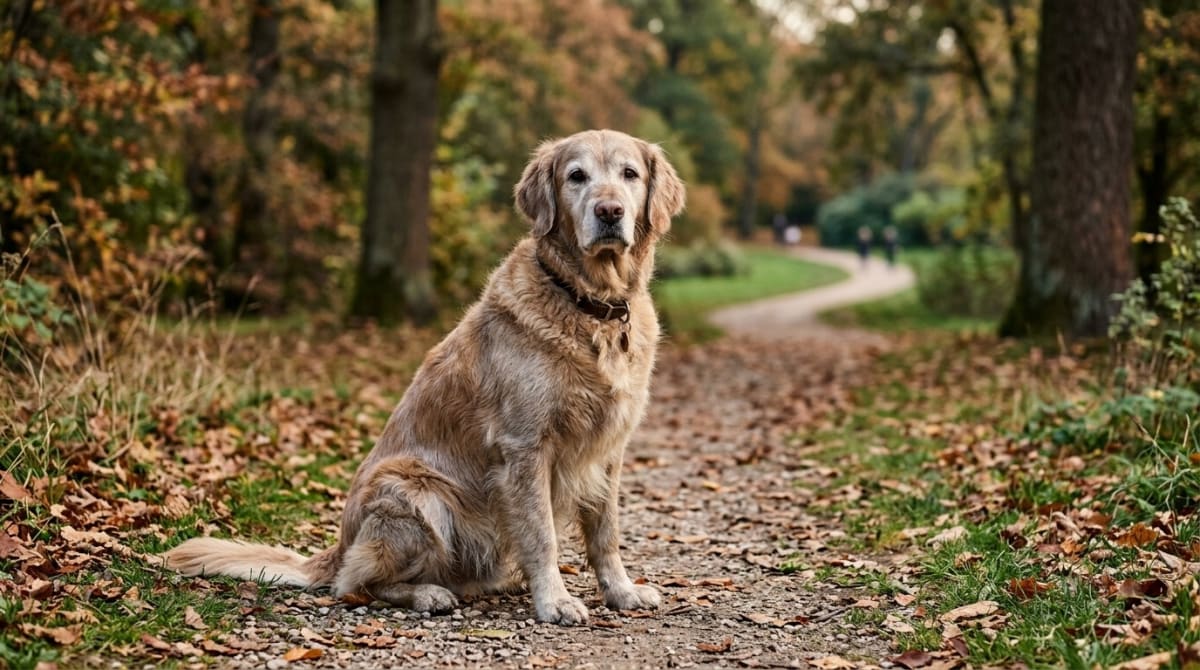
Does shiitake extract actually help dogs? The veterinary data says yes. We pulled the recent clinical trials and tracked canine plasma cholesterol alongside antioxidant activity to find out what really happens inside the body. Many wellness blogs tell pet owners to just toss whole raw mushrooms right into the food bowl. Please stop doing this. Raw fungi are completely indigestible. They regularly trigger nasty skin reactions. But when researchers isolate the active compounds and administer them in measured therapeutic doses, the resulting extracts fundamentally alter canine blood chemistry and shift how older dogs handle their daily cellular stress. A 2024 trial proved this. High doses dropped blood cholesterol and spiked cellular defense enzymes in just four weeks. We broke down the dosing protocols used by veterinary scientists to expose the clinical reality behind the supplements.
Key Takeaways
- 1Raw shiitake is indigestible for dogs - chitin cell walls block all active compounds from reaching the bloodstream without thermal extraction
- 2A 2024 trial at 800mg/kg doses dropped plasma cholesterol and spiked superoxide dismutase activity in healthy dogs within four weeks
- 3A 2023 trial found the shiitake-bromelain-quercetin blend lowered fecal calprotectin and cortisol in kennel dogs, indicating reduced gut inflammation
- 4Lentinan from shiitake acts as an immune modulator used adjunctively in veterinary oncology for mast cell tumor management
The Biological Engine Inside the Mushroom
Shiitake holds a dense matrix of active compounds. Beta-glucans are the primary immune trainers here. Think of them as practice targets for canine white blood cells. They latch onto specialized locks on immune cells and trigger a defensive cascade that preps the animal to fight off genuine threats. Lentinan happens to be the most heavily studied beta-glucan in this particular species. It trains the immune system to spot pathogens much faster.
The mushroom also packs a molecule called eritadenine. This compound rewires lipid pathways inside the canine body. It forces the liver to process fats differently and blocks the exact enzymes responsible for packaging cholesterol - the same mechanism we cover in detail for human applications in our shiitake eritadenine and lipid metabolism breakdown. Finally, shiitake supplies a large dose of ergothioneine. This amino acid operates as a cellular shield, neutralizing the reactive oxygen species that drive systemic aging and tissue degradation across senior dogs.
Dogs cannot access these compounds by chewing on raw fungi. Fungi build their cell walls from chitin. That is the exact same tough armor found on beetles and crabs. Canine digestive tracts lack the enzymes required to break chitin down. Thermal extraction melts that chitin away and releases the therapeutic molecules into a usable format. Owners who feed dogs raw grocery store mushrooms expecting an immune boost will watch the digestive tract pass the unextracted powder straight through the body without absorbing a single beneficial molecule.
What the 2024 Canine Trials Actually Show
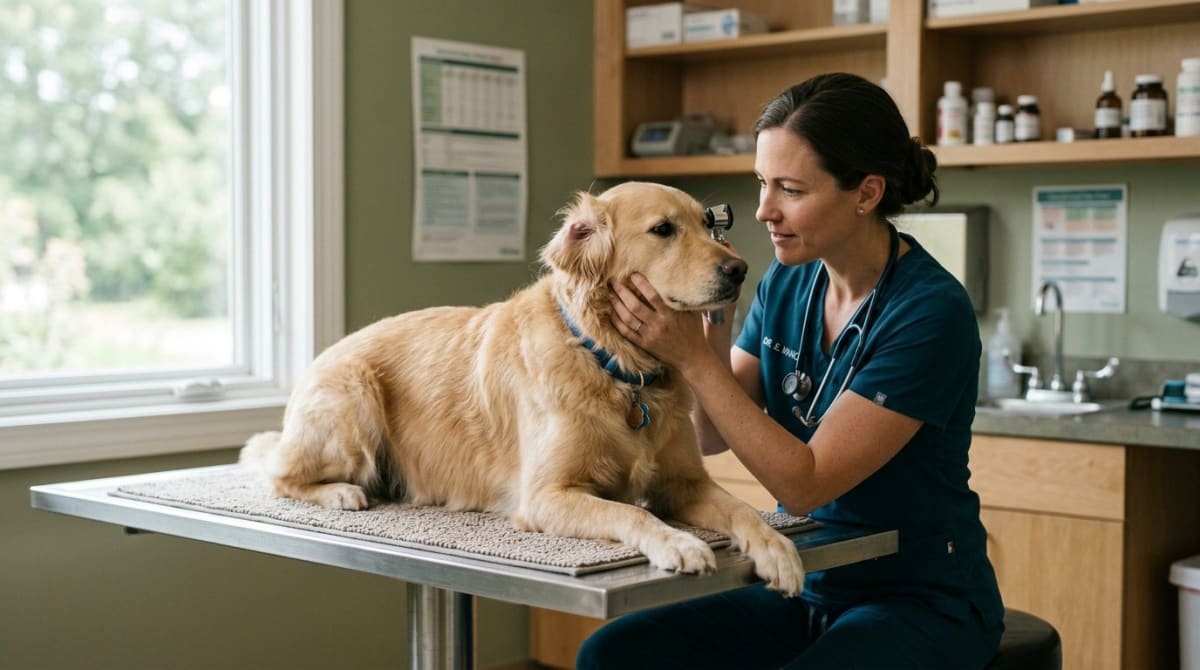
We track the hard clinical data. Two recent trials laid out clear evidence regarding how shiitake extract actually performs in canine models. Both studies used standardized extracts rather than raw foods.
A 2024 study in Frontiers in Veterinary Science pushed a heavy daily dose into healthy dogs. The goal was obvious. Researchers wanted to combat the chronic inflammation that naturally creeps in as pets age. They gave the dogs 800 milligrams of extract per kilogram of body weight for four straight weeks. The research team calculated the exact volume required to deliver a standardized therapeutic dose of eritadenine into the bloodstream so they could track the lipid-lowering effects over the entire month.
The physical body weights of the dogs stayed identical from start to finish. The internal blood chemistry told a very different story. Total plasma cholesterol dropped. Superoxide dismutase activity spiked. Superoxide dismutase is the primary antioxidant defense system inside canine cells. The dogs also showed increased expression of genes related to longevity and stress resistance. Feeding the extract directly increases antioxidative capacity in the blood.
Gut Health and Stress Markers
A 2023 trial published in Veterinary Sciences tested how shiitake interacts with other natural compounds inside the gut. Researchers blended the mushroom extract with bromelain and quercetin. They gave this mix to adult kennel dogs for a month to measure digestion and stress.
The results backed up the strong antioxidant benefits observed in earlier research. The dogs taking the extract showed much lower fecal calprotectin levels by the end of the trial. Calprotectin is a protein found in white blood cells that leaks into the digestive tract during times of extreme distress, and high levels indicate severe gut irritation. A drop in this marker means the intestinal lining is actively healing. When scientists watch this number fall across a test group, they know the underlying tissue inflammation is subsiding and the protective barrier of the dog's gut is returning to a normal functional state.
The trial also tracked systemic stress. Cortisol levels dropped. Production of short-chain fatty acids shot up. These acids act as the primary fuel source for the cells lining the dog's colon. When these fatty acids increase, the gut microbiome shifts into a healthier pattern. This creates a highly favorable environment for older dogs struggling with digestion.
Gut health dictates systemic aging. Older dogs regularly suffer from a breakdown in the intestinal mucosal barrier, allowing toxins to leak into the bloodstream and trigger chronic inflammation throughout the body. The shiitake and quercetin blend lowers calprotectin and boosts short-chain fatty acids to repair this barrier directly. The immune system calms down once the leaks are sealed. When the dog's liver no longer has to filter a constant stream of escaped intestinal toxins, the body immediately frees up biological resources for general tissue repair and daily energy production.
Lentinan in Veterinary Oncology
Veterinary oncology remains the most researched application for this fungus. Over in Japan doctors have used purified lentinan as an adjunctive cancer therapy in humans for decades. Veterinary researchers adopted these exact protocols to test the beta-glucan on canine cancers. While human trials often rely on intravenous delivery systems administered in strict clinical settings, canine protocols usually stick to concentrated oral extracts that owners can mix straight into the daily food bowl.
Lentinan acts as an immune system modulator. It trains the body to manage abnormal cells. The beta-glucans travel through the dog's digestive tract and interact with the Peyer's patches located in the intestines. These patches serve as immune surveillance centers. Once the lentinan binds to the local macrophage cells, it triggers a major system-wide alert.
This alert ramps up the production of natural killer cells. It pushes the immune system toward a Th1 response, which is the exact biological posture needed to hunt down abnormal cellular growth. Integrative veterinarians prescribe the extract to keep the dog's natural immune defenses highly active while chemotherapy or surgery does the heavy lifting against mast cell tumors.
Mast cell tumors happen to be the most common malignant skin tumors in dogs. They behave unpredictably. Some stay localized for years while others spread aggressively to the lymph nodes and internal organs. When an integrative veterinarian adds shiitake extract to a mast cell treatment plan, they are attempting to stabilize the immune environment around the tumor. The beta-glucans help the immune system recognize the mast cells as foreign invaders. While we need more large-scale canine clinical trials to establish exact efficacy rates across different cancer stages, the current data on immune activation provides targeted biological support.
Extraction Methods and Clinical Dosing
Pulling off those 2024 trial results requires following the study methods. The researchers used 800 milligrams of extract per kilogram of canine body weight. That equals roughly 360 milligrams per pound. For a thirty-pound dog, that translates to over ten grams of extract every single day. Because researchers were trying to measure immediate and drastic changes in blood cholesterol within a strict four-week window, they intentionally pushed the dosage far beyond what a normal dog would consume in a standard daily wellness routine.
This represents an incredibly high clinical dose used strictly for research purposes. In our experience reviewing supplement certificates of analysis across dozens of canine wellness products, commercial pet products rarely approach these numbers. We have not found a single retail product targeting these research-level doses. Most maintenance protocols recommend between 100 and 500 milligrams of total extract per day for an average adult dog. Controlled veterinary environments administer these extreme ten-gram doses.
The type of extract matters just as much as the total weight. The therapeutic trials isolate eritadenine and lentinan using hot water and alcohol. A dual-extracted powder delivers the highest concentration of active molecules. Always verify the extraction method before purchasing any product. The canine body will simply ignore raw mushroom material. Products without a listed extraction method are usually just unextracted powder.
Safety Limitations and the Dermatitis Factor
Cooked shiitake mushrooms are safe for canine consumption in small quantities. Raw shiitake mushrooms present a completely different risk profile. Our protocol always advises against feeding raw fungi to pets. While a few cooked slices tossed from the dinner table will not harm a dog, the raw versions contain stubborn bound proteins that require high heat to safely dismantle and neutralize.
Raw shiitake can trigger a toxic reaction known as flagellate dermatitis. The raw tissues cause severe skin inflammation in some individuals. High heat breaks down the triggering structure and eliminates the risk. While this dermatitis occurs most frequently in humans, dogs share enough biological similarities to warrant strict avoidance of the raw form.
Beyond the skin reaction risk, always talk to a veterinarian before introducing new compounds. Shiitake extracts interact heavily with the immune system. Dogs taking immunosuppressive medications for autoimmune conditions should avoid beta-glucan supplements entirely. The mushroom could counteract the prescription medication since it stimulates the exact immune responses the drug attempts to suppress. Exercise caution if the dog takes blood-thinning medications. Certain fungal compounds can slow blood clotting and increase bleeding risks during surgery.
Frequently Asked Questions

A dedicated wellness researcher who spent decades cataloging the impact of forest-based nutrition on human aging. Ashley doesn't care about trends; she cares about the data.
References & Further Reading
- Shiitake mushroom powder supplementation increase antioxidative activity in dogs. Front Vet Sci 2024 — Front Vet Sci (2024)
- A Supplement with Bromelain, Lentinula edodes, and Quercetin: Antioxidant Capacity and Effects on Morphofunctional and Fecal Parameters (Calprotectin, Cortisol, and Intestinal Fermentation Products) in Kennel Dogs. Vet Sci 2023 — Vet Sci (2023)