 Mushroom Health Hub
We tracked the starch content across dozens of popular mushroom supplements. The results are frustrating. Most commercial extracts actually contain more brown rice than fungi. The fruiting body is the above-ground mushroom people recognize. Mycelium is the underground root system. The problem? When supplement makers grind up these root networks along with the cheap oats they grow on (without separating them), buyers end up paying premium prices for a diluted powder. The targeted beta-glucans found in fully grown mushrooms are mostly absent.
Key Takeaways
- 1Fruiting bodies concentrate 20-40% beta-glucans. Mycelium on grain contains up to 70% alpha-glucans (simple starches from oats). Same digestive effect as eating oatmeal
- 2Current regulations allow companies to label 'mycelium on grain' as the target mushroom species, even if beta-glucans comprise less than 5% of the final powder
- 3Mycelium cultivation takes 2-3 weeks. Fruiting body cultivation takes 3-4 months. Speed = cost cutting, not superior medicine
- 4Test your powder with iodine. It turns starch pitch black. Pure fruiting body extracts stay amber. Home testing reveals grain filler instantly
Fungal Anatomy
Fungi live out most of their lives completely hidden from view. The mycelium acts as the digestive system. It secretes enzymes into the surrounding environment to break down organic matter and absorb basic nutrients. Underground networks even communicate across vast distances. But here's the catch. The mycelium is just the vegetative stage. It's not the prize.
When temperature and humidity align perfectly, the fungus makes its move. Reproduction time. It pushes a fruiting body up into the open air. This is the mature mushroom. The two structures are biochemically different. The fruiting body concentrates the highest levels of protective compounds, specifically beta-glucans (the polysaccharides that bind to immune receptor sites on white blood cells). The fruiting body invests enormous biological energy packing its cap and stem with these complex molecules.
Mycelium does contain functional molecules. The roots produce distinct protective compounds. Harvesting methods cause the main problem. In wild environments fungal roots grow microscopically thin through solid wood logs or dense soil. Extracting unmixed fungal matter from the earth is impossible. Commercial facilities solve this by cultivating the network in plastic bags filled with sterilized oats or brown rice, allowing the mycelium to vigorously digest the grain and weave a thick white mat throughout the whole food source. Manufacturers then grind that whole block of unconsumed grain and fungus into a fine powder. For more context on why extraction method matters, see our guide on extraction methods.
The Mycelium on Grain Secret
Growing real mushrooms takes time and careful attention. Cultivators must maintain precise temperature controls while waiting months for the fruiting bodies to mature, a process that requires expensive facilities and demands intensive labor. Mycelium on grain changes the financial math. Producers can inoculate bags of oats and harvest the resulting block in just two or three weeks, skipping the fruiting phase entirely to save capital while allowing brands to churn out inventory at lightning speed.
The catch is the final composition of the powder. Because the root system cannot be easily separated from the grain, the unconsumed oats go straight into the industrial grinder alongside the fungal tissue. We tested samples from five popular "mycelium" brands. The results were telling. Four of them contained measurable levels of unconsumed rice starch, which microanalysis confirmed via iodine reactivity testing. The final product becomes a daily capsule consisting of up to seventy percent alpha-glucans (simple carbohydrates identical to baking flour and breakfast cereals).
The human digestive tract processes these starches exactly like a bowl of oatmeal. This shortcut sacrifices the structural beta-glucans that make extracts like reishi or cordyceps so valuable. Learn the difference between alpha and beta-glucans. The label will still claim the target species. Current regulations allow companies to use the starchy root network to legally satisfy dietary ingredient requirements, which is why some popular immune supplements test at less than five percent actual beta-glucans.

How to Spot Fruiting Body Extracts
We always tell people to read the fine print on supplement bottles. Turn the package around and scan the ingredient panel for a clear distinction between compound types. Honest brands explicitly list the exact percentage of beta-glucans inside their product. Look for warning signs in the secondary ingredient list. Terms like myceliated oats or brown rice biomass indicate a starch-heavy formula that prioritizes cheap manufacturing over delivering the actual beta-glucans white blood cells require to mount a response.
Testing powders at home requires standard tincture of iodine. Iodine reacts violently with starch. Mix a small scoop of your powder into a glass of warm water. Add one single drop of iodine. If the water turns pitch black the supplement contains massive levels of grain starch. A pure mushroom extract takes on the amber color of the drop. Quality extracts undergo a hot water brewing process that breaks down the tough chitin walls to release trapped compounds, meaning your body can actually absorb the functional molecules rather than just passing ground up oats through the digestive tract. Learn more about why extraction method fundamentally changes potency.
Frequently Asked Questions
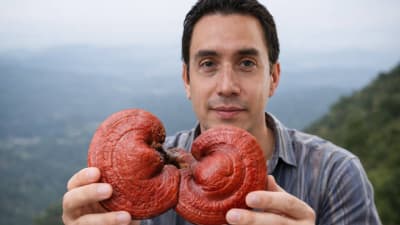
Gordon is a former high-tech researcher who traded his silicon chips for spores. With a background in molecular visualization, he spends his time mapping the intricate structures of medicinal fungi.