 Mushroom Health Hub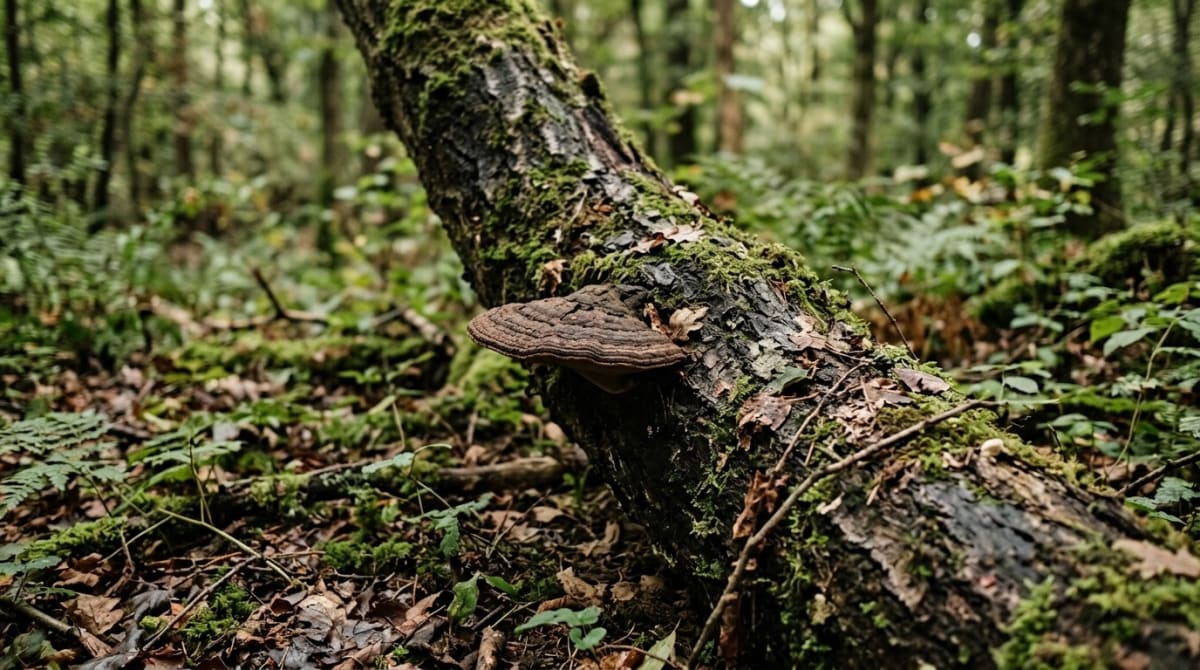
Most wellness brands push lion's mane or reishi for daily health. Meshima barely registers. Our team spent the last decade tracking the hepatology data on this obscure bracket fungus. Looking through multiple studies we found how Phellinus linteus extracts alter liver enzymes like AST and ALT under toxic stress in animal and cellular models. These fungal compounds actively block inflammatory signals deep within hepatic tissue. They work fast. You can't expect a casual cup of homemade tea to replicate the precise molecular changes seen in sterile laboratory environments where researchers administer measured dosages straight to damaged liver cells. Human trials are scarce right now but the cellular mechanics observed in current research show biological interactions that merit serious exploration by anyone building longevity protocols.
Key Takeaways
- 1Hispolon from meshima actively prevents liver cell membrane rupture, keeping AST and ALT enzyme levels low even under severe chemical stress
- 2A 2023 cellular study found 500mcg/mL of styrylpyrone extract inhibited fat accumulation by 27% while raising superoxide dismutase activity by 73%
- 3Meshima requires dual extraction - hot water releases beta-glucans, alcohol pulls styrylpyrones - raw powder delivers neither compound class
- 4Almost all current evidence comes from animal and cell studies - treat the data as mechanistic evidence, not clinical proof, until human trials arrive
Mechanism Behind the Hepatic Interactions
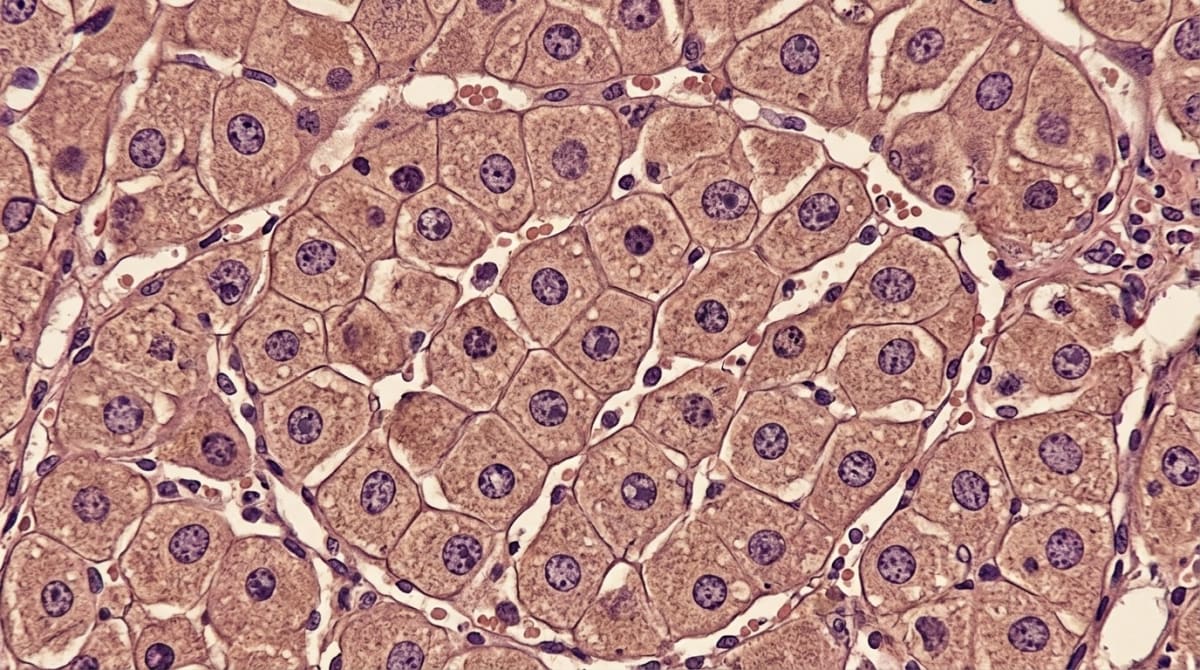
Meshima works primarily through a polyphenol compound called hispolon. It acts like a biological shield. It catches rogue free radicals before they permanently damage delicate liver tissue. Normal enzymes live inside the liver cells but when those cells take damage they burst open and spill their contents into the blood. High enzyme levels mean organ distress. A 2012 study in Evidence-Based Complementary and Alternative Medicine ran tests to see how hispolon alters this process, and the researchers discovered that rats receiving hispolon prior to chemical exposure maintained vastly lower levels of circulating AST and ALT enzymes, proving that the fungal compound actively prevented the cellular membranes from rupturing under severe chemical stress.
Meshima also packs high amounts of styrylpyrones. These compounds talk directly to metabolic signaling proteins. They flip a master switch called AMPK which forces the body to stop storing fat and start burning it for fuel. This metabolic shift takes pressure off an overworked organ. In our review of the chemical pathways we noticed a clear pattern of defense. The mushroom builds defensive walls around healthy cells while flushing out toxic waste.
Fungi build their cell walls from chitin. That material is the exact same stuff found in crab shells. Human stomachs lack the enzymes to break raw chitin down. Hot water extraction is strictly required to release these compounds. Eating raw meshima powder means the active molecules will simply pass through the digestive tract without doing a thing for the internal organs. Our protocol always requires verified hot water extracts for this very reason. The complicated extraction process breaks down the tough exterior matrix of the mushroom so the beneficial polysaccharides and polyphenols can flood the system and bind directly to the receptors waiting on the surfaces of white blood cells.
Health Benefits Supported by Evidence
Instead of relying on old traditional mythology we evaluate fungal supplements strictly based on hard data. Recent hepatology research provides some fascinating data points. Scientists are finally mapping out the core biological mechanisms that make this mushroom tick.
Combats Fat Accumulation in Cells
Non-alcoholic fatty liver disease happens when excess fat builds up inside organ tissue. A 2023 study published in the International Journal of Molecular Sciences tested a styrylpyrone-enriched extract of meshima on human liver cells. The researchers intentionally flooded the cells with fatty acids to simulate metabolic disease. The fungal extract stopped the fat from accumulating. At a dose of 500 micrograms per milliliter the extract inhibited lipid accumulation by 27 percent. It did this by activating genes that regulate lipid metabolism. The cells started processing the fats rather than just packing them away. The unique fungal compounds reprogrammed the cellular machinery to prioritize fat oxidation over fat storage, which could eventually provide a totally new therapeutic avenue for managing complex metabolic conditions in adult patients.
Reduces Oxidative Stress Markers
Internal organs constantly fight against oxidative stress. Free radicals bounce around and damage healthy tissue. The same 2023 cellular study tracked how meshima extracts influence internal antioxidant enzymes. We always look for supplements that amplify the body rather than replace its natural functions. The mushroom extract gives cells better weapons to fight off environmental damage. Glutathione peroxidase activity jumped by 67 percent compared to the untreated control group. Cells treated with the extract showed a 73 percent increase in superoxide dismutase activity. When researchers reviewed the data they noted that this major upregulation of defensive enzymes fully shielded the delicate cellular membranes from rupturing under extreme chemical stress during the rigorous twenty-four hour testing window.
Improves Blood Sugar and Lipid Profiles
Metabolic health requires stable blood glucose. A 2019 study in Nutrients tested meshima mycelial extract on rats with diet-induced type 2 diabetes. The animals received daily doses of the extract for several weeks. Their blood glucose levels dropped. The extract improved insulin resistance and drastically changed the lipoprotein profiles. It blocked key enzymes responsible for producing new glucose in the liver. The treatment also forced the body to clear triglycerides much faster. Our analysis of the study design confirms the researchers tracked multiple overlapping metabolic pathways simultaneously before recording complete normalization of lipoprotein profiles within just three weeks of daily administration in the lab.
Immune System Modulation
The liver doesn't operate in a vacuum. It leans hard on the immune system to clear out dead tissue. Meshima contains dense concentrations of beta-glucans. These structural polysaccharides act like practice targets for white blood cells. When swallowing the extract these dense molecules travel down into the digestive tract and bump against specialized immune locks, making the body think it has encountered a fungal pathogen. It triggers a defensive cascade. The body responds by cranking up the production of natural killer cells and macrophages. Those upgraded immune cells circulate through the bloodstream and eventually arrive at the liver. Once there they help process metabolic waste and reduce the local inflammatory burden.
How to Take Meshima
Meshima is notoriously difficult to source as a standalone supplement. Most Western retailers ignore it outright. It usually shows up blended into multi-mushroom formulas designed for immune support or longevity. Finding a pure extract takes some serious digging. Our clinical protocol strongly advises against buying raw meshima powder. Purchasing a dual-extracted product is mandatory. Hot water extracts the beta-glucans, while alcohol pulls out the styrylpyrones and other complex polyphenols. Miss one extraction method and you miss half the chemical profile. We verify beta-glucan content on any extract we test using the same third-party validation approach outlined in our megazyme beta-glucan testing guide.
Our protocol suggests aiming for 500 to 1000 milligrams of fruiting body extract daily. The powder is dark brown with a slightly bitter, woody aftertaste - noticeably more astringent than lion's mane or reishi, which makes the capsule format significantly easier to stick with long-term. Take it with a meal containing some healthy fats to maximize the absorption of the alcohol-extracted compounds. Timing doesn't matter much for this particular fungus. Consistency matters far more than the clock. You absolutely won't feel any immediate effects from taking this mushroom, because the primary biological mechanisms involve slow gradual changes to cellular metabolic pathways rather than acute nervous system stimulation. Give the protocol at least four to eight weeks before expecting any measurable shifts in routine blood tests. Many practitioners recommend stacking meshima with milk thistle since the two herbs tackle hepatic stress from entirely different biological angles.
Limitations and Side Effects
The current research contains a glaring blind spot. We have almost zero clinical trials on humans. Most of the exciting data comes from mice and isolated cells in petri dishes. We can't simply assume a human liver will react exactly the same way to oral supplementation. Animal models often use heavy doses injected straight into the bloodstream. Oral supplements must survive the harsh acid of the stomach.
Meshima is generally safe for daily consumption. Traditional medicine systems have used it for centuries without reporting severe toxicity among regular consumers. Anyone taking immunosuppressive medications must stay away from this fungus completely though. It stimulates the immune system. If dealing with an autoimmune condition do not experiment with functional mushrooms without medical supervision. Because this mushroom interacts so closely with metabolic pathways individuals taking prescription diabetes medications should consult their primary care physician to prevent blood sugar from dropping to dangerously low levels.
Frequently Asked Questions

A dedicated wellness researcher who spent decades cataloging the impact of forest-based nutrition on human aging. Ashley doesn't care about trends; she cares about the data.
References & Further Reading
- Inhibitory Effect of Styrylpyrone Extract of Phellinus linteus on Hepatic Steatosis in HepG2 Cells. Int J Mol Sci 2023 — Int J Mol Sci (2023)
- Hypoglycemic and Hypolipidemic Effects of Phellinus Linteus Mycelial Extract from Solid-State Culture in A Rat Model of Type 2 Diabetes. Nutrients 2019 — Nutrients (2019)
- Hispolon Protects against Acute Liver Damage in the Rat by Inhibiting Lipid Peroxidation, Proinflammatory Cytokine, and Oxidative Stress and Downregulating the Expressions of iNOS, COX-2, and MMP-9. Evid Based Complement Alternat Med 2012 — Evid Based Complement Alternat Med (2012)