 Mushroom Health Hub
Most supplement buyers expect label percentages to actually mean something. They rarely do. When we evaluate recovery extracts for Jasper, our 95-pound German Shepherd, we zero in on one exact lab metric. Over the past year, we have pulled Certificates of Analysis from more than 40 brands for his regimen. Products claiming 60 percent total polysaccharides routinely hold less than 5 percent actual fungal beta-glucans. The rest is just filler. The Megazyme Mixed Linkage Beta-Glucan Assay Kit is a specific enzymatic procedure that chemically digests those useless agricultural starches, allowing technicians to isolate and accurately quantify only the biologically active fungal components hiding inside a given supplement batch.
Key Takeaways
- 1The Megazyme K-YBGL assay uses specialized enzymes to isolate only fungal beta-glucans, filtering out grain starch that inflates total polysaccharide counts on supplement labels.
- 2Mycelium-on-grain products can legally claim 60 percent polysaccharides while containing less than 5 percent actual beta-glucans — the enzymatic assay exposes this gap immediately.
- 3Alpha-glucans from oats and rice provide no immune benefit. Fungal beta-glucans with 1,3 and 1,6 branching structures bind directly to mammalian immune cell receptors.
- 4Quality fruiting body extracts typically show 20 to 40 percent beta-glucans and single-digit alpha-glucans on a Megazyme-tested Certificate of Analysis.
The Biology Behind the Test
Polysaccharides are just long carbohydrate chains. That broad category includes everything from potato starch to the tough bark on an oak tree. Fungi build their cell walls differently. They construct a defensive matrix using beta-D-glucans with 1,3 and 1,6 branching structures which bind directly to specific receptors on mammalian white blood cells. This triggers the exact immune responses researchers link to medicinal mushrooms.
We can't digest raw fungal tissue easily. Fungi lock their beta-glucans inside a tight layer of chitin. Chitin is the exact same dense material making up crab shells. Boiling water breaks this armor down. That heat releases the active molecules into a format a dog's gut can actually absorb without burning massive amounts of energy in the process.
The testing problem starts with the dirt. Or rather, the growing substrate. A lot of commercial producers grow their mushroom mycelium on bags of sterilized oats or brown rice and then grind up the entire block once the fungal roots spread. That resulting powder holds huge amounts of alpha-glucans pulled straight from the grain. Alpha-glucans are simple starches. They offer zero immune benefit. Standard lab tests blindly group both the beneficial fungal parts and the useless grain starches under one umbrella term, giving brands a free pass to print massive polysaccharide percentages on labels while charging fifty bucks for rice powder.
How the Enzymatic Assay Works
Standard testing methods fail completely at distinguishing between different carbohydrate chains. We rely on the Megazyme method. It hunts for structural differences at the molecular level. A 2016 study in the Journal of AOAC International locked this protocol in as the gold standard for measuring fungal products. The whole process takes four distinct steps.
First, lab technicians blast the mushroom sample with strong sulfuric acid. This harsh bath dissolves every complex carbohydrate chain in the vial. The acid breaks down both the alpha and beta-glucans into their base components so everything becomes totally soluble.
Next comes the clever part. The technicians introduce a specialized enzyme mixture containing proteins programmed to seek out and digest alpha-glucans only. This cocktail breaks the grain starches down into basic glucose molecules while leaving the fungal beta-glucans completely untouched. The lab then measures those simple glucose levels.
The final step is just basic math. Technicians measure the total glucan content of the dissolved sample and simply subtract the isolated starch number from that total. Whatever is left over is the true beta-glucan content. That mathematical difference gives researchers an exact reading of the biologically active compounds in the jar, and the K-YBGL kit handles this entire extraction with enough precision to immediately expose any product stuffed with unfermented oats.
Types of Glucans You Will Encounter
Lab reports usually show two main carbohydrate classifications. Knowing how to read these categories keeps buyers from wasting money on dead products.
Alpha-glucans are the filler. These are the 1,4-linked starches found heavily in oats and rice. Big alpha-glucan numbers point to a product overloaded with grain substrate and painfully light on actual fungal mass. A pure fruiting body extract should show almost no starch at all. The highest quality supplements often register right at zero.
Beta-glucans are what we want. Fungal beta-glucans have a 1,3 backbone attached to 1,6 side chains. Those specific geometric shapes happen to fit perfectly into mammalian immune cell receptors. When we buy a turkey tail extract for Jasper, we are paying entirely for these active molecules. The Megazyme test isolates this exact figure.
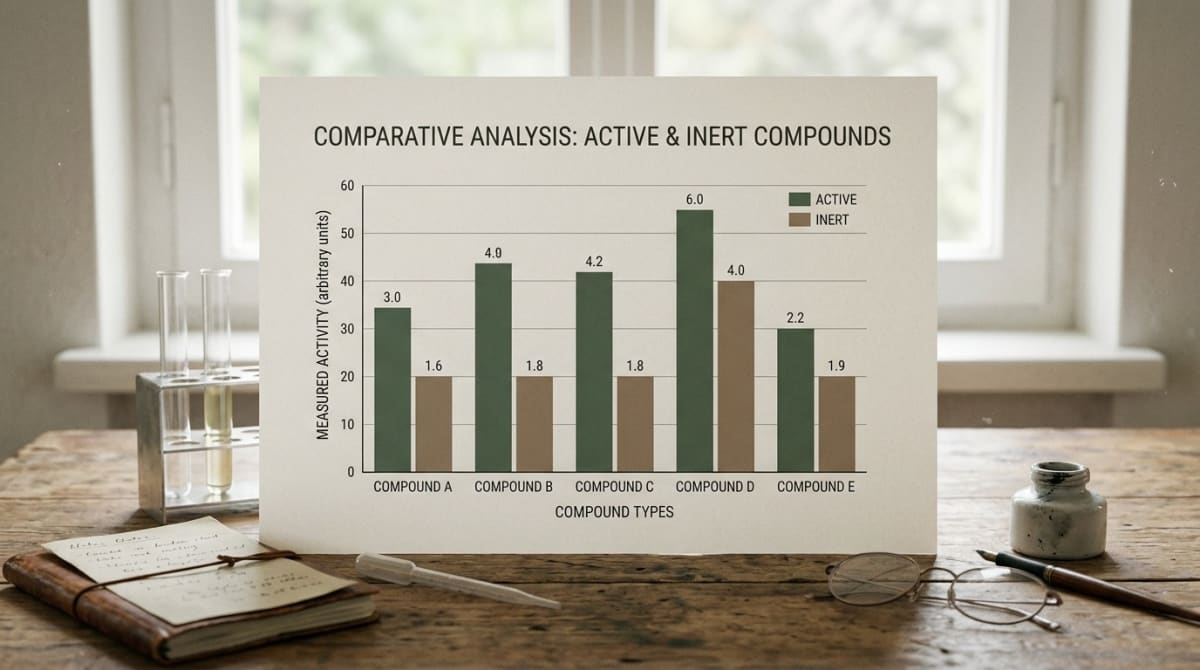
Total polysaccharides is the classic trap. This giant umbrella metric lumps every single carbohydrate in the sample together. A supplement bottle might brag about a 50 percent polysaccharide content. That sounds incredible to a beginner. Our testing experience points to a much grimmer reality. A powder claiming 50 percent total polysaccharides might actually contain 48 percent alpha-glucans and a measly 2 percent beta-glucans, meaning that big impressive number on the front label means absolutely nothing without the enzymatic breakdown backing it up in the lab data.
The Problem With Mycelium on Grain
The commercial growing process explains exactly why this test matters. Fungi go through two main life stages. The mycelium acts as the underground root system, and the fruiting body is the actual mushroom popping above the dirt.
Lots of commercial growers cultivate mycelium in plastic bags stuffed with sterilized grain. The fungal roots spread through the oats and eat some of the starches. These growers don't wait for actual mushrooms to sprout. They harvest the whole block of myceliated grain early, dry it out, and grind everything into a fine powder.
This manufacturing shortcut creates a massive loophole for testing. That final powder consists mostly of unconsumed grain. Grain is almost entirely alpha-glucans. A standard polysaccharide test measures every carbohydrate in the powder blindly, and since that basic test can't tell the difference between raw oats and a fungal network, a manufacturer can legally claim a massive 60 percent polysaccharide content on their label while pushing cheap starches. The average buyer just assumes they found a highly potent immune supplement.
The Megazyme method shatters that illusion. When a lab runs myceliated grain through the K-YBGL assay, the digesting enzymes eat right through the oat starch. The final beta-glucan reading often plummets below 5 percent. We absolutely refuse to use these products for Jasper's recovery protocols. Paying thirty bucks for ground-up rice makes zero financial sense. You need pure fruiting body extracts verified by strict enzymatic testing to actually get the biological benefits you paid for, because relying on generic carbohydrate counts leaves you completely blind to what is really in the scoop.
Extract Ratios and Beta-Glucan Density
Testing numbers also expose the true strength of an extraction ratio. Manufacturers love to advertise a 10-to-1 or 8-to-1 extract. That implies they used ten pounds of raw mushrooms to create one single pound of finished powder.
The beta-glucan percentage should scale up alongside that ratio. If a raw turkey tail mushroom holds roughly 15 percent beta-glucans, a highly concentrated extract should yield a drastically higher percentage. The assay proves it.
We constantly review lab reports where a claimed 10-to-1 extract spits back only 12 percent beta-glucans. The math just doesn't work. A proper extraction should concentrate the active compounds way beyond the raw starting material. This enzymatic test catches companies relying on weak solvents or lazy temperature controls. High-quality fruiting body extracts process the raw material efficiently. They strip away all the indigestible fiber and leave a dense concentration of immune-modulating compounds behind, a fact the K-YBGL enzymatic assay will always clearly confirm in the final laboratory paperwork.
Extraction Methods and Test Results
How a manufacturer processes raw fungi dictates the assay results. Raw mushroom powder always tests lower for available beta-glucans than a proper extract.
Hot water extraction pulls the water-soluble beta-glucans right out of the tough chitin walls. This makes them accessible. The laboratory equipment can now measure them accurately. An alcohol extraction handles the non-water-soluble compounds like triterpenes. Many top-tier products run a dual-extraction method to capture both sets of active molecules.
The Megazyme test reveals the raw efficiency of these processing methods. A sloppy extraction leaves the beta-glucans locked tight inside the chitin matrix. The assay numbers will inevitably come back low. We see this all the time. Cheap powders masquerade as therapeutic extracts constantly on Amazon. A brand might actually start with premium fruiting bodies, but their weak processing yields a totally useless final product that passes basic polysaccharide tests while failing the strict enzymatic isolation protocol required for clinical use. The enzymatic test serves as the ultimate quality check. It proves beyond a doubt whether the company actually unlocked the compounds they claim to sell.
Affiliate Disclosure: Mushroom Health Hub earns commissions from qualifying purchases made through links on this page. This supports our lab testing and does not affect our recommendations. We only recommend supplements that pass our quality standards. Learn more
Reading a Certificate of Analysis
Brands that actually care about transparency publish their lab results. A Certificate of Analysis breaks down the exact chemical makeup of a supplement batch. We check these reports thoroughly before tossing any new product into Jasper's bowl.
Look for the testing methodology first. The document should clearly state the lab used the Megazyme K-YBGL assay. If the report just lists a generic spectrophotometric method, the numbers carry zero credibility. The lab is likely running an outdated test. Those older methods constantly confuse cheap grain starch with active fungal compounds.
Find the line item for beta-glucans. This number should be as high as possible. Quality fruiting body extracts usually range from 20 to 40 percent beta-glucans, though the exact percentage bounces around depending on the mushroom species used and the extraction ratio applied during cooking.
Then find the line item for alpha-glucans. Single digits are ideal. A high alpha-glucan reading confirms the presence of leftover growing substrate. Real Mushrooms publishes Megazyme-tested certificates for every single product they make. Their organic reishi extract consistently shows high beta-glucan levels paired with nearly untraceable alpha-glucans. We trust this approach. The data is public, verifiable, and right there in black and white.
Why Clinical Trials Demand This Standard
Medical researchers refuse to use vague metrics. When scientists study how turkey tail impacts immune function, they need wildly accurate dosing data. A trial simply cannot yield reliable results if the active compound concentration swings wildly between doses. We documented that same challenge in our breakdown of lion's mane clinical trial dosing formats, where every study depended on verified compound concentrations before enrolling a single participant.
The Megazyme method provides the strict standardization necessary for real science. Researchers use this assay to lock in baseline potencies before kicking off any study. If an experiment requires a 500-milligram dose of active beta-glucans, the scientists use the assay results to calculate the exact physical amount of extract needed for the capsule. They cannot guess based on total polysaccharide numbers.
This standardization protects the integrity of the research. We see similar demands in veterinary trials. When we track Jasper's response to different recovery protocols, we need highly consistent inputs. A product that swings from 30 percent down to 10 percent active compounds between batches completely ruins our data. The assay forces manufacturers to maintain ruthless quality controls during extraction. They cannot hide a garbage yield behind high starch numbers when the enzymatic test separates the two carbohydrate categories, exposing the true makeup of the powder to consumers and regulators alike.
Frequently Asked Questions
Gordon is a former high-tech researcher who traded his silicon chips for spores. With a background in molecular visualization, he spends his time mapping the intricate structures of medicinal fungi.
References & Further Reading
- Measurement of Beta-Glucan in Mushrooms and Mycelial Products — J AOAC Int (2016)