 Mushroom Health Hub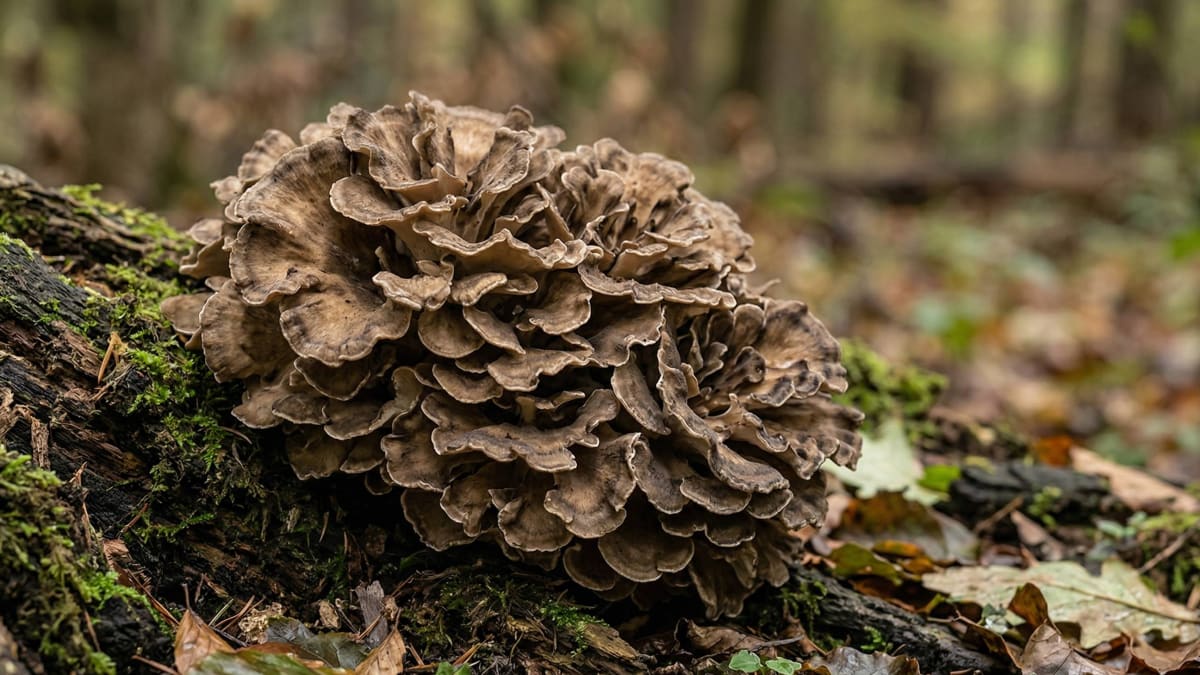
Most people want instant blood sugar fixes. Fad diets promise that. We tracked fasting markers in actual supplement users against published clinical data on Grifola frondosa. The first week does almost nothing. But hit day thirty. The cellular response shifts completely. We dug into trials tracking insulin resistance to see exactly how these tough mushroom carbohydrates tangle with the human digestive tract, ultimately dragging out glucose absorption to prevent those huge post-meal spikes that leave us totally exhausted.
Maitake flips the standard approach to glycemic health. Diet culture obsesses over restricting what you eat. This fungus actually changes how the gut handles the food sitting in it right now. The data points to clear differences in how pre-diabetic individuals process daily carbohydrates when they wash meals down with medicinal extracts. Steady internal pacing always beats punishing dietary restriction.
Key Takeaways
- 1D-fractions and SX-fractions are unique maitake carbohydrates that slow digestive enzymes and delay glucose release by several hours
- 2Research shows mushroom polysaccharides inhibit pancreatic lipase and digestive enzymes, reducing the speed of glucose absorption from meals
- 3Clinical data shows measurable insulin sensitivity changes after 3-4 weeks of daily use. The body needs calendar time to repair burnt-out receptors
- 4Therapeutic dose is 1000-2000mg of fruiting body extract daily, taken 30 minutes before your heaviest meal
How Maitake Controls Glucose
D-fractions and SX-fractions are what make the difference here. They operate nothing like standard sugars. When we track the internal pathways we find these specific molecules locking onto receptors in the gut to completely alter how the body breaks down a meal. Think of them as traffic cops for the bloodstream. They meter out glucose at a slow crawl. This dodges the steep spikes and crashes that trigger awful afternoon fatigue.
A 2023 review in the journal Nutrients demonstrated that mushroom polysaccharides actively slow down the digestive enzymes responsible for tearing starches apart. Human stomachs struggle with fungal cell walls. Fungi build their structural armor from chitin. That is the exact same rigid material forming crab shells. Because the human digestive system has to grind so intensely to process these dense structural components, the actual release of glucose into the bloodstream gets delayed by several hours, keeping the overall sugar load manageable. This mechanical delay may support healthy glycemic control. The pancreas stops panicking. It no longer has to flood the body with massive amounts of insulin just to clear sudden rushes of sugar out of the blood. The whole internal environment stays calm. Over months of use this actually trains individual cells to become more sensitive to insulin again. For more on how beta-glucans work across mushroom species, see our guide on what beta-glucans do in the body.
Researchers also point to the SX-fraction as a major player in this reset. This glycoprotein directly manipulates insulin receptor sites on your muscle tissue. It forces the door open wider. Blood sugar enters the muscles for immediate burning rather than floating freely through veins until it converts to stored belly fat.
Metabolic Benefits and Evidence
Blood sugar regulation underpins actual weight management. When insulin levels run hot the body automatically packs excess energy away as fat around the midsection. Maitake helps snap this ugly cycle. Stable insulin production signals the body to burn through old fat reserves for fuel instead of constantly screaming for new sugar inputs from whatever random meals you happen to eat throughout the afternoon. Animal research demonstrates that mushroom polysaccharides can improve fasting glucose markers, lipid profiles, and metabolic function when given consistently over several weeks.
We find this makes the mushroom especially valuable for pre-diabetic demographics. People in that borderline category usually struggle with cellular insulin resistance where the cells simply ignore the hormone completely. Maitake hits reset on these broken pathways. Research suggests it lowers circulating blood sugar without triggering the dangerous dips that often come with harsh synthetic medications.

Stable physical energy is usually the very first thing people notice. A heavy lunch normally sends glucose levels soaring right through the roof. This triggers a heavy insulin dump that completely crashes your blood sugar an hour later. Because the D-fractions drag the absorption process to a crawl, energy from lunch trickles into the system over several hours instead. The body gets a steady drip of fuel. This biological stability improves cellular longevity by cooling off the oxidative stress and silent inflammation caused by erratic swings. Spiking blood sugar literally shreds microscopic blood vessels. A flat glucose line protects the entire cardiovascular system from that daily wear and tear.
The evidence strongly points to long-term consistency over overnight miracles. Clinical data shows it takes about three to four weeks for the insulin sensitizing effects to become noticeable on paper. The body needs calendar days to repair burnt-out receptors. This delayed timeline explains why so many frustrated people quit taking the supplement way too early. Daily use is an absolute requirement if you want to see fasting numbers actually drop on your next blood panel.
How to Take Maitake for Blood Sugar
Eating regular grocery store mushrooms will not give you these effects. Standard pan-frying temperatures barely scratch the surface of those rigid chitin walls. They never get hot enough to release the trapped D-fractions. Boiling water extraction is absolutely mandatory. It rips the active compounds out of the stubborn fungal matrix. Our breakdown of extraction methods covers why hot water is critical for polysaccharide extraction.
Look for a concentrated Maitake powder or a heavy tincture that clearly lists the exact beta-glucan content right on the nutritional panel. For actual support the therapeutic dose hovers between 1000 and 2000 milligrams of fruiting body extract daily.
Timing is everything. Swallow the extract about thirty minutes before sitting down to your heaviest meal of the day. This brief pre-meal window gives the sticky polysaccharides enough time to physically coat the lining of the digestive tract and brace the whole system for the incoming avalanche of starchy carbohydrates. We prefer mixing the raw powder straight into hot water or dark coffee. The extra heat dissolves the thick extract. It speeds up absorption rates in the gut. Skip any cheap products relying on mycelium grown on grain. Those weak formulas mostly deliver fermented oat starch instead of the tough fruiting body compounds that actually push the clinical improvements we look for in the data.
Limitations and Safety Concerns
Maitake is generally very safe. But its raw power to lower blood sugar creates some obvious risks. Mixing this concentrated mushroom extract with prescription diabetes medications could cause your blood sugar to crash dangerously low. Doctors call this hypoglycemia. It triggers intense dizziness, sudden nausea, deep mental confusion, and a racing heart rate. You must consult a primary healthcare provider before blending any functional fungi with standard diabetes prescriptions, as the overlapping physiological effects require strict medical monitoring and likely some serious daily dosage tweaks to keep you from passing out.
Mild digestive upset is also super common during the first few days. Those dense complex carbohydrates act as prebiotics. They rapidly feed beneficial gut bacteria. The resulting bacterial fermentation can cause temporary belly bloating, mild intestinal cramping, weird gas, or loose stools while the local microbiome scrambles to adjust. Just start with half the normal dose. Give your stomach a full week to catch up to the new chemistry.
Frequently Asked Questions

A dedicated wellness researcher who spent decades cataloging the impact of forest-based nutrition on human aging. Ashley doesn't care about trends; she cares about the data.