 Mushroom Health Hub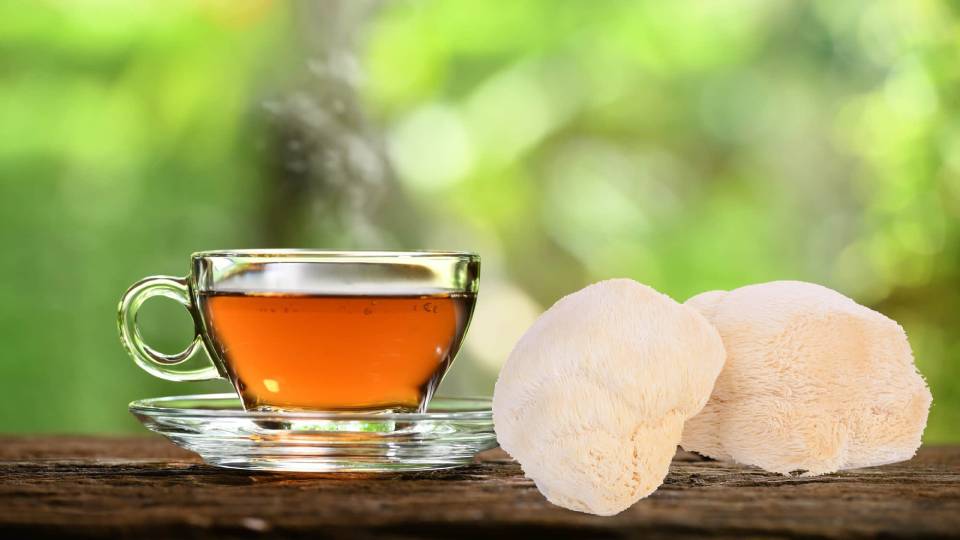
Most people assume hot water extracts everything from lion's mane. It doesn't. We tested fresh mushrooms, dried slices, and extract powders at different temperatures and steeping times to see what actually ends up in the cup. Hot water pulls polysaccharides and hericenones out effectively, but erinacines require alcohol extraction and stay locked in the mushroom tissue no matter how long you steep. Tea works if you know what you're getting and what you're missing.
Key Takeaways
- 1Fresh mushroom, dried slices, and extract powder all work in tea - each has different prep requirements
- 2Hot water captures high-molecular-weight polysaccharides, which support immune function
- 3Erinacines (the neuroprotective compounds) require alcohol for extraction and won't transfer into tea
- 4Hericenones from the fruiting body are water-accessible and can cross the blood-brain barrier
- 5Steeping at 80-90°C for 15 minutes is the practical sweet spot for most home brewers
What form you're starting with matters
Most lion's mane tea recipes treat all three source materials as interchangeable. They're not. The differences genuinely affect what ends up in your cup.
Fresh lion's mane gives you the mildest, most pleasant brew. The flavor is subtle, faintly seafood-like before steeping and almost neutral after 15 minutes. Slice it thin, around 3-5mm pieces, to shorten the extraction window and give a fuller color to the liquid. A cup of hot water per 10-15 grams of fresh mushroom is a reasonable starting point.
Dried lion's mane chunks take longer and need patience. Cell walls tighten up once moisture leaves, so we usually go 20 minutes minimum at a gentle simmer. Some people do a cold pre-soak for 15 minutes first, which cuts down steeping time noticeably. A typical dried dose runs around 3-5 grams per cup, though concentration shifts depending on how thoroughly the mushrooms were dried.
Extract powder is the third path. It's probably the most misunderstood of the three. Raw mushroom powder is just dried and ground fruiting body - it still needs proper steeping to release anything useful. Dual-extract powder has already been processed with both water and alcohol, so the compounds are freed from the cell matrix. If you're using a quality dual-extract powder, stir it into warm water and drink immediately. No steeping required. If the label doesn't say "dual extract" or list both water and alcohol extraction, treat it like raw powder and steep it properly.
Our guide to lion's mane powder walks through how to read extraction labels and what the percentages actually mean, if you want to go deeper on this.
Step-by-step brewing instructions
Start by prepping your mushroom. Fresh mushroom gets sliced thin. Dried mushroom benefits from a 15-minute cold pre-soak in cool water before draining - it softens the cell walls and cuts steeping time. Extract powder just needs measuring out. Use 1-2 grams for a concentrated dual-extract, or 3-5 grams for raw powder.
Next, heat your water to around 85-90°C. That's just below a rolling boil. Most kettles with temperature control handle this easily. If yours doesn't have a setting, let a full boil rest for 2-3 minutes before pouring. Boiling water won't destroy the polysaccharides, but it can break down some of the more delicate compounds over a long steep, so the lower temperature is worth the small effort.
Steeping time depends on what you're working with. Fresh mushroom is ready in 10-15 minutes. Dried chunks need 15-25 minutes because the cell walls resist hot water longer. Raw powder can go 10-15 minutes with occasional stirring. Dual-extract powder skips the steep entirely.
For fresh or dried forms, strain through a fine mesh or cheesecloth. The spent mushroom is edible and can go into soup, or just compost it. Powders leave some sediment at the bottom of the cup. That's normal.
Lion's mane tea has very little bitterness on its own. Honey works. Ginger works. We've tried it plain and with fresh ginger slices added during the steep. The ginger version is our consistent pick for an afternoon cup, though plain works fine when you want the flavor uncut.
What actually ends up in the tea
Hot water pulls out the polysaccharides in lion's mane. These are large, complex carbohydrate molecules - beta-glucans are the most studied - and they're associated with immune modulation and gut function. A 2024 review in PubMed confirmed that high-molecular-weight polysaccharides are efficiently captured by hot water extraction. So if gut and immune support are your main goals, tea is a legitimate format.
Erinacines are a different story. They're produced in the mycelium of the mushroom, and they're alcohol-soluble. Hot water won't move them out of the cell structure in any meaningful quantity. A 2025 narrative review laid this out clearly. Erinacines are more potent nerve growth factor stimulators than hericenones, and they need alcohol extraction to become bioavailable. Tea doesn't get them.
Hericenones are the middle ground. They come from the fruiting body rather than the mycelium, and they are water-accessible to some degree. That same 2025 review confirmed that hericenones can cross the blood-brain barrier. A tea brewed from fruiting body material does carry some brain-relevant compounds. Just not the full picture you'd get from a dual-extract supplement.
None of this makes tea the wrong format. A dual-extract capsule or tincture covers more ground, giving you polysaccharides alongside erinacines and hericenones in a single preparation. Tea is narrower. It gives you the polysaccharide fraction well and some hericenone activity. If the documented immune and gut benefits of beta-glucans are what you're after, and you want a daily habit you'll actually stick to, tea gets you there.
Two randomized controlled trials from 2023 and 2025 found cognitive and mood benefits from standardized lion's mane extract in healthy adults, but those trials used standardized extracts rather than tea preparations. We'd be overstating things to claim the tea produces identical results. What we can say is that the water-soluble compounds in lion's mane tea have genuine research support for immune and gut effects, and a daily tea habit is a reasonable way to stay consistent with something you actually enjoy drinking.
Common mistakes that reduce your results
The most common one we see is under-steeping. Five minutes at near-boiling temperature does very little to pull polysaccharides out of dried or fresh material. The cellular matrix in Hericium erinaceus is tough. Fifteen minutes is where the extraction curve starts to flatten - you're not getting dramatically more after 25 minutes, but you are getting substantially more than at five.
Overly hot water for long periods is less of a problem than most guides suggest. The polysaccharides in lion's mane are thermally stable. You're not going to boil the benefits away. That said, a full rolling boil does cause more evaporation and can make the tea bitter if you're using a lower-quality mushroom source. 85-90°C is a sensible target, not a hard rule.
Mycelium-on-grain products are another issue. Some lion's mane products sold in powder form are actually mycelium grown on oats or rice, and a good portion of what's in the bag is grain starch, not mushroom. When you steep these, you're mostly extracting grain. Look for products that specify fruiting body, or check the beta-glucan percentage on the label. Anything under 15% suggests filler in the mix.
Expecting tea to replicate a standardized supplement is setting yourself up for disappointment. The tea is real. The compounds are real. The concentration and compound profile are simply different, and that difference matters when you're setting expectations. People who treat it as a daily wellness habit rather than a therapeutic dose tend to stay consistent longer and report more useful results.
If you're wondering when to take lion's mane for best results, we cover timing in our when to take lion's mane guide.
Tips for getting the most from each cup
Fresh mushroom gives you the most predictable flavor but the shortest shelf life. If you buy a fresh lion's mane and can't use it within a week, slice and dry it yourself. A food dehydrator at 50-55°C for 6-8 hours does the job. Dried slices keep for several months in an airtight container.
For first-timers who are unsure about the taste, our lion's mane taste guide gives you a realistic preview. The flavor is mild enough that most people have no problem drinking it plain, but knowing what to expect takes the guesswork out.
One cup a week doesn't accumulate the way a daily cup does. The 2023 trial that found mood and stress benefits used 28 days of daily supplementation before results showed up. Tea drinkers who use it every day for four or more weeks tend to report more consistent effects than those who brew it occasionally.
Adding a small piece of fresh ginger or a cinnamon stick during steeping does more than improve flavor. Ginger adds mild anti-inflammatory compounds. Cinnamon can help stabilize blood sugar. Neither one changes the lion's mane compound profile, but they do make the cup more pleasant to drink daily, which matters more than people think when you're trying to build a habit that actually sticks.
Frequently Asked Questions

A dedicated wellness researcher who spent decades cataloging the impact of forest-based nutrition on human aging. Ashley doesn't care about trends; she cares about the data.
References & Further Reading
- The Acute and Chronic Effects of Lion's Mane Mushroom Supplementation on Cognitive Function, Stress and Mood in Young Adults: A Double-Blind, Parallel Groups, Pilot Study — PubMed (2023)
- Acute effects of a standardised extract of Hericium erinaceus (Lion's Mane mushroom) on cognition and mood in healthy younger adults: a double-blind randomised placebo-controlled study — PubMed (2025)
- Bioactive Polysaccharides from Hericium erinaceus: Extraction, Structure, Bioactivities, and Applications — PubMed (2024)
- Lion's Mane Mushroom (Hericium erinaceus): A Neuroprotective Fungus with Antioxidant, Anti-Inflammatory, and Antimicrobial Potential—A Narrative Review — PubMed (2025)