 Mushroom Health Hub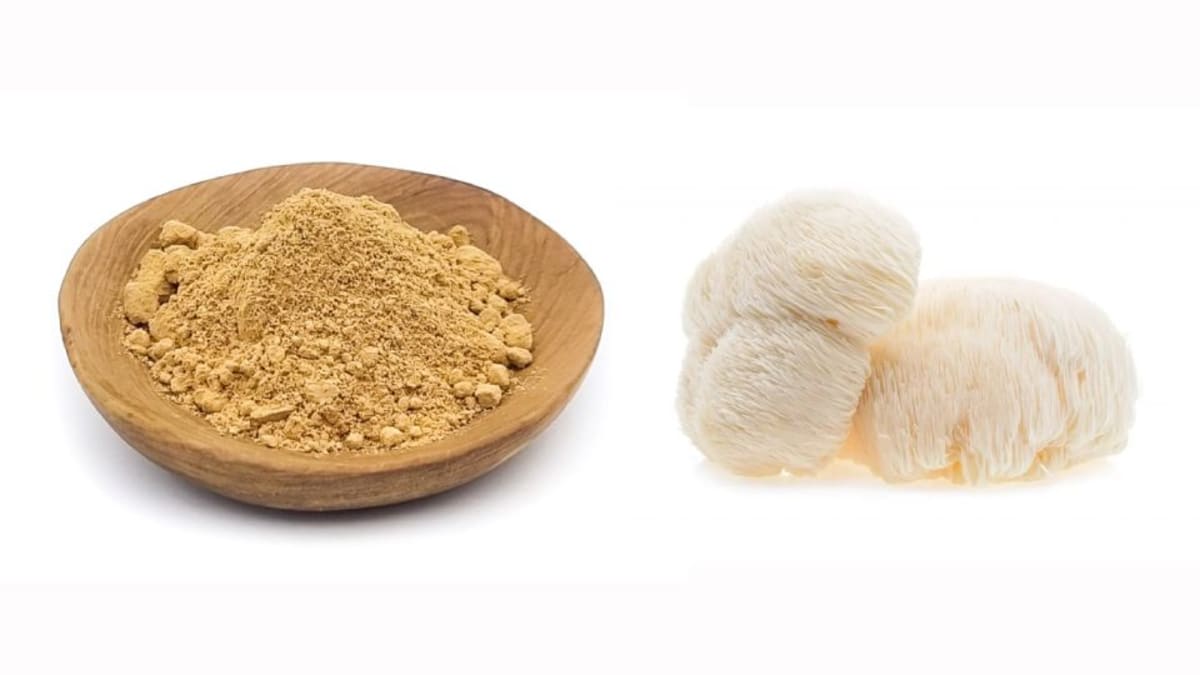
Lion's mane powder sits in a strange spot. It's the most affordable way to try this mushroom, but also the most misunderstood. Walk into any supplement aisle and you'll find products labeled "powder" that are actually dried mycelium on grain, concentrated extracts, or some blend of both.
The differences matter more than most people realize. A basic dried mushroom powder and a hot-water extracted powder aren't even close to the same thing, yet they often share shelf space at similar prices. One delivers bioavailable compounds. The other delivers mostly fiber.
This guide breaks down what you're actually buying, how to use it, and what to look for so you don't waste money on products that won't work.
Key Takeaways
- 1Extract powder has higher bioavailability than basic dried mushroom powder
- 2Clinical studies use 1.8g to 3g daily for cognitive benefits
- 3Look for fruiting body extracts with verified beta-glucan content
- 4Hot water extraction releases active compounds trapped in cell walls
What is lion's mane powder
Lion's mane powder comes from the fruiting body of Hericium erinaceus, that shaggy white mushroom that looks like a cheerleader's pom-pom. The fruiting body holds the bioactive compounds that researchers have linked to cognitive and nerve health benefits. These include beta-glucans, hericenones, and erinacines. For a full breakdown of what this mushroom does in the body, read our lion's mane benefits guide.
But here's where it gets confusing. "Lion's mane powder" can mean two very different things.
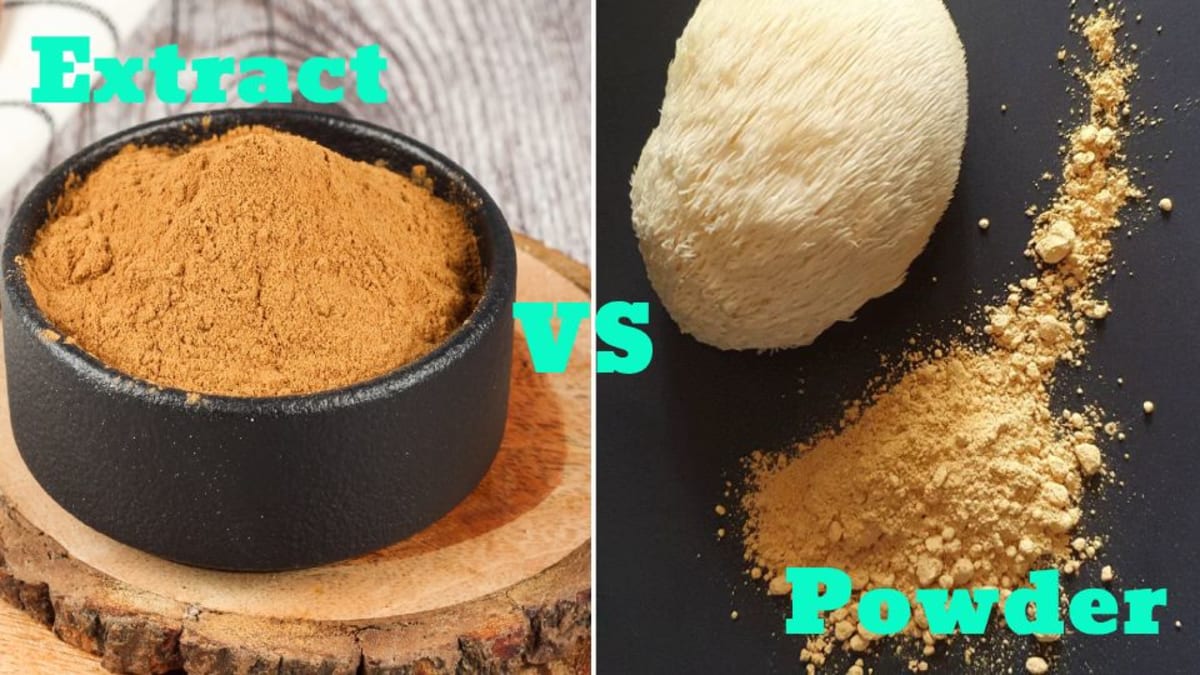
The first type is simple dried mushroom powder. Someone takes the fresh mushroom, dries it, and grinds it into powder. What you get is essentially dehydrated mushroom. The problem? The active compounds are locked inside chitin cell walls that your body can't break down efficiently. You'll absorb some nutrients, but bioavailability is limited.
The second type is extract powder. This undergoes hot water extraction, alcohol extraction, or both. The extraction process breaks open those cell walls and concentrates the active compounds. Research shows this approach improves how much your body can absorb. When you see terms like "10:1 extract" on a label, that means they used 10 pounds of raw mushroom to produce 1 pound of extract.
Studies comparing bioavailability between forms consistently show extract powder absorbs better. If you're using raw powder, you need a lot more of it to get anywhere near the same effect.
Powder versus extract versus capsules
Lion's mane comes in several formats. Each has trade-offs worth knowing before you buy.
Dried mushroom powder is ground whole mushroom with no extraction. It's affordable and works well in recipes where you want mushroom flavor. We use it in soups and broths. But for cognitive benefits, you'd need larger servings because the active compounds aren't released from the chitin matrix. Think of it more as a food ingredient than a supplement.
Extract powder goes through hot water extraction, alcohol extraction, or both methods combined. Hot water pulls out beta-glucans. Alcohol targets hericenones and certain triterpenes, which are the compounds harder to isolate with water alone. Most clinical research on lion's mane uses dual-extracted standardized powder.
Capsules are usually extract powder in a gelatin or vegetarian shell. Convenient for travel and consistent dosing. Bulk powder is typically less expensive per serving than capsules, though prices vary by brand. The trade-off is that you'll need to measure doses yourself.
Tinctures are liquid extracts, typically alcohol-based. Some people prefer them for easier dosing. The practical difference between a tincture and extract powder dissolved in warm water is minimal for most people.
Start with extract powder. You'll feel the difference at a normal dose.
How much to take
Clinical research gives us reasonable dosing ranges. Studies have tested doses ranging from 1g to 3g of lion's mane extract daily, with most effective protocols landing between 1.8g and 3g.
A 2023 double-blind study published in peer-reviewed research found that 1.8g of standardized lion's mane extract produced measurable cognitive improvements within 60 minutes of the first dose. Lower doses in other studies showed less consistent effects, suggesting a threshold dose exists for acute cognitive benefits.
For sustained neuroprotection and long-term cognitive support, research supports dosing in the 1.8g to 3.2g range daily. A clinical trial with older adults diagnosed with mild cognitive impairment used 3g per day (split into three 1g doses) for 16 weeks and found measurable improvements in cognitive function.
The variation exists because individual factors matter. Age, body weight, extract quality, and whether you take it with food all influence how much you need.
A sensible ramp looks like this.
Week 1-2: Start at 500mg to 1g daily. Gives your gut time to adjust.
Week 3-4: Move to 1.5g to 2g. Most people land somewhere here and stay.
Week 5+: Some push to 2.5g or 3g. Past 3g the returns get thin.
Timing matters too. Lion's mane isn't sedating, so morning or afternoon works well. Take it when you want mental clarity, skip it at night. We covered the full reasoning in our guide on when to take lion's mane.
Ways to use lion's mane powder
The powder mixes into just about anything liquid. It dissolves reasonably well in warm beverages, though some brands leave slight grittiness.
Coffee or tea. A common way to use lion's mane powder. Add 1g to your morning cup and stir. Quality extract powder has mild, slightly earthy flavor that blends well without overpowering the drink. Learn more about when to take lion's mane.
Smoothies. Easy way to mask the taste if you're not a fan. Blend with banana and berries, throw in a protein source if you want.
Soups and broths. The dried powder form works especially well here. It adds umami depth. Stir into miso soup and vegetable broths.
Plain water. Works fine. Boring, but fast.
What to avoid is baking with extract powder. The high heat might degrade some active compounds. Raw powder handles cooking better since it's already heat-stable from the drying process.
If you're interested in growing your own lion's mane, we have a complete growing guide for cultivation from spores to harvest.
How to spot quality products
Quality varies a lot across lion's mane powder brands. Some deliver what the label promises. Others sell you starch.
The first thing to check is whether you're buying fruiting body or mycelium. Fruiting body is the actual mushroom. Mycelium is the root-like structure that grows on grain, and many cheaper products are mostly that myceliated grain. You're paying for starch. The label should say "fruiting body" somewhere obvious. If it doesn't, move on.
Beta-glucan content is the next number to find. These are the primary active compounds. Quality extracts list the actual percentage on the label, and you want at least 20-25%. No number means you can't verify what you bought.
Check the extraction method. Hot water extraction at minimum. Dual extraction captures both water-soluble beta-glucans and the alcohol-soluble hericenones. If the label doesn't mention extraction at all, the product is probably just dried powder regardless of what they're charging.
Request the COA. Good brands provide a Certificate of Analysis from third-party testing, either on their website or on request. It shows actual beta-glucan content and a contaminants panel.
Most lion's mane grows in China, and that's not a red flag on its own. Chinese cultivation methods for medicinal mushrooms are well-established. What matters is whether the farm has documented quality controls. Some brands grow domestically at higher cost. Shorter supply chain, easier to verify the paperwork.
Side effects and safety
Lion's mane has a solid safety profile. Most people tolerate it without issues. A few things are worth knowing before you start.
Digestive upset. The most common complaint. Some people get mild stomach discomfort or loose stools when starting out, especially at higher doses. Starting low and building up usually prevents this. Taking it with food helps too.
Skin reactions. Rare, but documented in clinical settings. If you have mushroom allergies, proceed carefully or skip it entirely.
Blood thinning. Lion's mane may have mild antiplatelet effects. If you're on blood thinners or heading into surgery, talk to your doctor first.
Research confirms that dietary use of lion's mane is generally safe. A systematic review published in peer-reviewed research examined studies from 2000 to 2024. The reported side effects in clinical trials were mostly mild. Abdominal discomfort, nausea, and skin rash showed up occasionally but weren't common.
Pregnant or breastfeeding? Not enough research exists to confirm safety. Most practitioners recommend avoiding it during these periods. If you're pregnant or nursing, talk to your healthcare provider before starting any new supplement, including lion's mane.
How long before it works
Timeline depends on what you're hoping to achieve.
Acute effects like improved focus can appear quickly. The 2023 clinical study found measurable cognitive improvements within 60 minutes of a single 1.8g dose. This suggests lion's mane's hericenones and erinacines work rapidly once absorbed.
Sustained benefits take longer. Nerve growth factor stimulation and mood support need weeks to months of consistent use. Neuroprotective effects take longer still. The 16-week clinical trial measured clear improvements in older adults with mild cognitive impairment, which points to an 8-16 week window for cumulative benefits.
A realistic expectation is 4-8 weeks before noticing sustained changes in mood or focus. Some people feel it sooner. Others hit the 8-week mark first. The deeper protective effects (reduced neuroinflammation, increased nerve growth factor output) are impossible to feel directly, so they demand consistent long-term use regardless.
Some people cycle it, taking breaks every few months. There's no good research saying you need to. The clinical trials that showed the clearest results ran 16+ weeks of daily continuous use.
Making your own powder at home
If you grow or forage lion's mane, you can make basic dried powder at home.
Dry the mushrooms first. Use a food dehydrator at 110-135°F until completely dry and brittle. This takes 8-12 hours depending on slice thickness. Alternatively use an oven on the lowest setting with the door slightly ajar for air circulation, though temperature control is harder this way.
Grind to powder. A high-speed blender or coffee grinder works. Pulse in short bursts to avoid overheating. You want fine powder, not chunks.
Store properly. Airtight container in a cool, dark place. Homemade powder keeps for several months if completely dry.
What you end up with is basic dried mushroom powder, not an extract. Getting to actual hot water extract at home means simmering the powder for several hours, straining it, and dehydrating the liquid down. Most home setups can't do that well. If you want real extract, just buy it.
Frequently Asked Questions

Gordon is a former high-tech researcher who traded his silicon chips for spores. With a background in molecular visualization, he spends his time mapping the intricate structures of medicinal fungi.
References & Further Reading
- The Acute and Chronic Effects of Lion's Mane Mushroom Supplementation on Cognitive Function, Stress and Mood in Young Adults — Nutrients (2023)
- Improving effects of the mushroom Yamabushitake on mild cognitive impairment: a double-blind placebo-controlled clinical trial — Phytotherapy Research (2009)
- Benefits, side effects, and uses of Hericium erinaceus as a supplement: a systematic review — Frontiers in Nutrition (2025)