 Mushroom Health Hub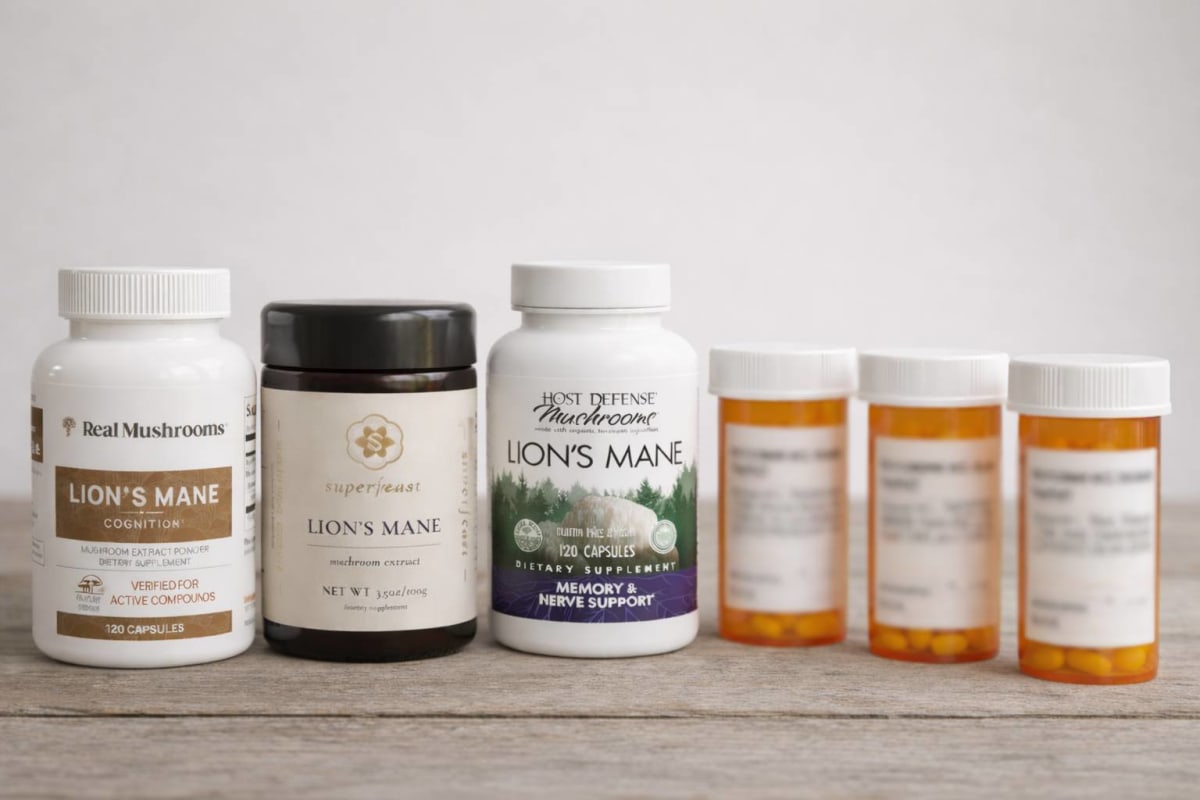
Most folks assume natural supplements play nicely with prescription drugs. They are often dead wrong. Lion's mane actually tangles with several common medications. We reviewed the pharmacological data tracking how these fungal compounds behave, and we discovered that dropping them into a daily routine with standard prescriptions creates a compounding effect that fundamentally shifts a patient's entire medical baseline before they even realize what happened.
The active components inside the mushroom literally alter how the digestive tract processes pharmaceutical treatments. If you take warfarin or metformin daily, tossing a spoonful of this extract into a morning coffee might kick off some really unpleasant side effects. Talk to a doctor first.
Key Takeaways
- 1Lion's mane slows platelet aggregation and genuinely compounds with blood thinners like warfarin
- 2Combining it with metformin or insulin can push blood sugar into dangerous hypoglycemic territory
- 3Stop all mushroom extracts at least 14 days before scheduled surgery to normalize clotting
- 4Transplant patients must avoid it entirely as beta-glucans directly counter anti-rejection drugs
Common side effects
When starting a new extract routine, the body always needs a minute to catch up. Mild stomach turbulence is the most frequent issue we see. Expect some slight bloating or nausea during the first week. These minor symptoms usually fade fast. The gut microbiome simply has to adapt to complex sugars called polysaccharides. Think of these compounds as a rather stubborn dietary fiber that forces the digestive system to work overtime while breaking everything down.
We also notice occasional reports of minor skin rashes after a first dose. This happens due to a localized histamine response. The immune system spots these unfamiliar fungal proteins and immediately mounts a defensive reaction to flush them out of the bloodstream. Stop taking the powder if persistent itching develops. Healthy adults usually process standard doses without any real trouble.
The actual danger only bubbles up when we introduce prescription drugs into the mix. That combination amplifies those subtle physiological shifts and creates a hazardous environment where the body completely loses its ability to properly clear pharmaceutical agents from the bloodstream, leading to a toxic buildup that no one anticipates. Clinical data shows these metabolic changes peaking right around two hours after ingestion.
Serious concerns
We need to pay strict attention to the cardiovascular and metabolic risks here. Lion's mane physically stops blood platelets from clumping together. This specific mechanism works wonders for healthy folks chasing better circulation. It creates a massive liability for anyone dealing with an existing bleeding disorder. A tiny kitchen nick could take twice as long to scab over.
Blood sugar crashes present another serious hazard. The mushroom acts as a highly potent hypoglycemic agent once it hits the stomach. It rapidly yanks glucose out of the blood and shoves it straight into the cells, dropping sugar levels so fast that it can trigger sudden dizziness, deep confusion, cold sweats and even fainting spells in otherwise healthy adults. A 2017 Journal of Restorative Medicine review noted that these exact metabolic mechanisms cause severe adverse events in clinical settings when patients neglect to disclose their supplement habits to primary care physicians before receiving care. Watch the body's reaction after taking a dose.

Drug interactions
Mixing this extract with prescription blood thinners sets up a seriously dangerous compounding effect. Warfarin already stops clotting. The mushroom piles an aggressive natural anti-platelet action right on top of that standard pharmacy dose, essentially doubling the risk of internal bleeding and deep purple bruising from tiny everyday bumps on the coffee table.
Diabetes medications carry similar overlapping hazards. Drugs like metformin or synthetic insulin artificially force blood sugar down to maintain safe limits. Because the fungus also tanks blood glucose, throwing both into the same system can easily push levels into a catastrophic hypoglycemic crash that demands immediate medical intervention.
Antidepressants demand careful observation. We know the mushroom stimulates nerve growth factor and shifts brain chemistry over time. Massive clinical trials on selective serotonin reuptake inhibitors do not exist just yet. Early pharmacological models do point to overlaps in serotonin regulation that might trigger unpredictable mood variations during the first few weeks of daily consumption. Anyone taking Lexapro or Zoloft might suddenly deal with uncharacteristic mood swings or crushing afternoon fatigue.
Who should avoid it entirely
Stop taking this powder at least fourteen days before any scheduled surgery. The anti-clotting properties make operative procedures and the subsequent recovery unnecessarily risky. Transplant patients must avoid the fungus entirely. The beta-glucans locked inside the cell walls stimulate immune cells to hunt down biological threats, creating an aggressive defensive response that directly opposes the fundamental immunosuppressive mechanism that anti-rejection medication tries to maintain inside the body.
Pregnant and nursing mothers must skip it. We simply lack the clinical safety data to guarantee it will not interfere with infant development. Anyone dealing with a known allergy to other culinary mushrooms or common household molds should keep this extract out of the kitchen to avoid triggering immediate anaphylaxis.
Frequently Asked Questions

A dedicated wellness researcher who spent decades cataloging the impact of forest-based nutrition on human aging. Ashley doesn't care about trends; she cares about the data.
References & Further Reading
- Neurological Activity of Lion's Mane (Hericium erinaceus). Journal of Restorative Medicine 2017 — Journal of Restorative Medicine (2017)