 Mushroom Health Hub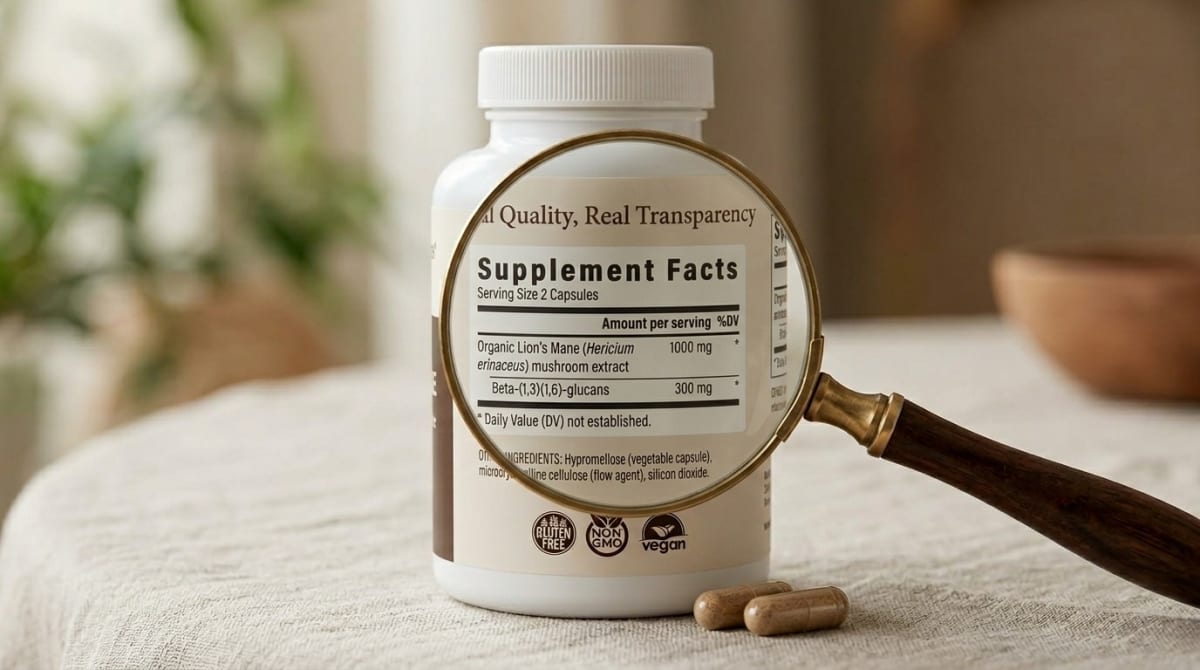
Most buyers grab mushroom supplements based on the biggest milligram number printed on the plastic. Bad idea. We spent six months analyzing ingredient panels across fifty popular brands and found that an inflated total weight usually masks cheap grain starch rather than delivering the fungal compounds we really want. Ignore the marketing on the front. Check the fine print.
Key Takeaways
- 1Beta-glucan percentage is the only number that proves potency, not total milligrams
- 2Watch for myceliated oats or brown rice biomass on ingredient labels, both signal cheap grain filler
- 3Hot water extraction is mandatory. Without it, chitin walls keep active compounds locked away
- 4Certified organic status tells you nothing about extraction quality or beta-glucan content
The milligram trap
Total weight tells you almost nothing about actual health value. You might spot a shiny sticker bragging about two thousand milligrams of lion's mane powder. Sounds impressive. But raw mushroom powder is mostly indigestible fiber and water weight.
Fungi build their cellular walls out of chitin. That happens to be the very same stubborn material forming crab shells and lobster claws. Because human stomachs lack the enzyme to digest chitin naturally we could swallow thousands of milligrams of raw powder without absorbing a single molecule of the compounds we paid for. Without a high-heat water extraction process those molecules stay trapped forever. You get far less biological value from a massive scoop of raw powder than you do from a tiny pinch of concentrated extract. Boiling water strips away the useless fiber. It leaves behind pure bioactive molecules.
The only number that proves potency is the beta-glucan percentage. Beta-glucans are the therapeutic compounds that attach to specialized locks on our white blood cells and trigger a cascade of defensive responses. Top-tier bottles will explicitly guarantee a beta-glucan content somewhere between twenty and thirty percent. When a brand stamps a huge milligram dose on the front label but conveniently forgets to print the chemical breakdown on the back panel it means they are deliberately hiding something from us. They are selling you expensive dirt. We demand that specific percentage before dropping thirty bucks on a bottle.
Spotting the starch
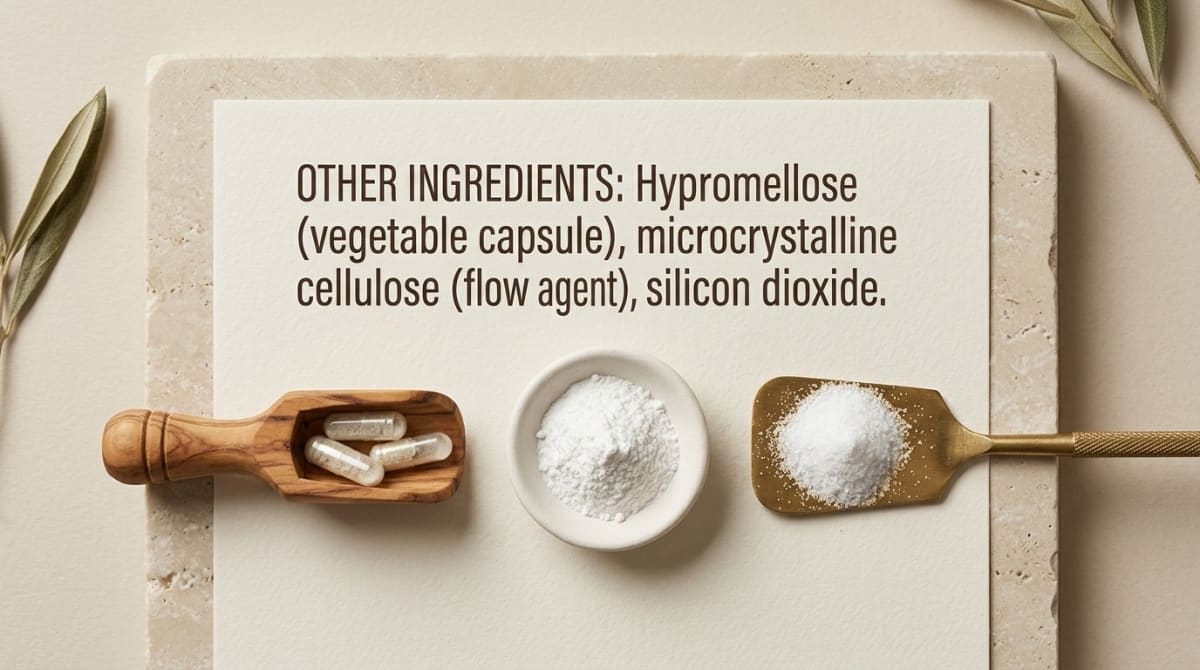
Budget outfits rely on a dirty trick to pad their capsule weight. To artificially inflate the numbers without buying actual extracts these companies grow the fungal root system on a thick bed of cooked oats or brown rice. When harvest day hits they just toss the entire block into a commercial grinder. Roots and grain get pulverized together.
This causes a major headache for buyers. The resulting powder ends up being mostly breakfast cereal instead of fungal tissue. You pay premium prices for oatmeal. Read that other ingredients list closely. Watch out for phrases like myceliated oats or brown rice biomass. Sometimes the text just reads mycelium.
A 2016 study in the Journal of AOAC International pulled commercial mycelium products off the shelves and found some contained up to seventy percent starch with basically zero fungal compounds. We have run similar checks ourselves. When we pried open capsules from one budget brand, the smell hit us immediately, warm grain dust rather than anything earthy or fungal. That is what seventy-dollar oatmeal smells like. Avoid this trap by hunting for the alpha-glucan numbers. Alpha-glucans are just starches. Transparent labs test for this junk and proudly display an alpha-glucan content sitting comfortably under five percent.
The golden rules of label reading
We can instantly sort the top-tier formulas from the worthless dust by scanning four details. First up is the extraction method. Hot water extraction is strictly mandatory for melting that chitin and freeing the therapeutic molecules trapped inside reishi or lion's mane. Some formulas add an alcohol soak too. This dual extraction method pulls out the non-water-soluble compounds buried in tough woody species.
Next step is verifying the plant part. The ingredient panel needs to say fruiting body instead of mycelial biomass. The fruiting body is the actual above-ground cap and stem that you picture when you think of a mushroom. Clinical data proves this is where the active molecules live. Our roundup of the best lion's mane supplements only includes brands that meet this standard.
Third rule is confirming third-party lab testing. A generic graphic printed on the cardboard box means practically nothing. Legitimate operations upload their certificates of analysis directly to their websites so buyers can verify the precise chemical breakdown of the current batch. This paperwork proves their beta-glucan claims hold up.
Finally we always drop any bottle claiming a proprietary blend. These sketchy formulas lump a dozen ingredients into one vague weight on the back panel specifically to hide the fact that they cut the expensive extracts with cheap filler species. It stops us from knowing exactly how much of each fungus goes into our bodies every morning. If a supplement manufacturer refuses to list the precise milligram amount of every single ingredient they put into their product we just leave the bottle sitting on the shelf. The same logic applies when we evaluate the best reishi mushroom supplements, where proprietary blends are one of our automatic disqualifiers.
Frequently Asked Questions

Gordon is a former high-tech researcher who traded his silicon chips for spores. With a background in molecular visualization, he spends his time mapping the intricate structures of medicinal fungi.
References & Further Reading
- Measurement of β-Glucan in Mushrooms and Mycelial Products. J AOAC Int 2016 — J AOAC Int (2016)
- Evaluation of Extraction Methods for Recovery of β-Glucans from Mushroom Fungi. Journal of Agriculture and Food Research 2026 — Journal of Agriculture and Food Research (2026)