 Mushroom Health Hub
Walk into a health store today. You'll mostly see expensive bags of ground-up oats. Buyers expect heavy-hitting immune defense from these powders. We pulled the analytical data on dozens of retail brands and mapped them against published clinical standards, and the math looks grim. Far too many popular tinctures and powders consist almost entirely of fermented grain substrate rather than actual fungal tissue. Growing mycelium on rice is fast and cheap. Cultivating proper fruiting bodies takes months of expensive care. Stop paying for starch. Our lab bench experience proves that grasping a few basic chemistry markers changes how you navigate this market. Decoding a supplement facts panel makes it incredibly simple to dodge the useless filler and track down the precise biological compounds the immune system actually needs to fire on all cylinders.
Key Takeaways
- 1Fruiting body extracts contain actual fungal compounds. Mycelium-on-grain products trap cheap oat starch that dilutes or replaces the active content entirely.
- 2A genuine mushroom supplement shows 20 to 40 percent beta-glucans and under 5 percent alpha-glucans on a Megazyme-verified Certificate of Analysis.
- 3Hot water extraction breaks down the chitin cell walls fungi use as armor. Raw mushroom powders skip this step and pass through the digestive tract without releasing their active compounds.
- 4Certified organic sourcing and third-party ISO-accredited lab testing protect against heavy metal contamination since fungi bio-accumulate toxins directly from their growing substrate.
Step 1 - Fruiting Body vs. Mycelium on Grain
Every fungus breaks down into distinct anatomical parts. The fruiting body is the recognizable cap and stalk popping up above ground. Mycelium acts as the underground root system. Out in the woods mycelium digests decaying logs to scavenge nutrients. Commercial growers usually cultivate this root network on shallow beds of sterilized oats or brown rice. They let the white fuzz colonize the grain for a few weeks before grinding up the entire block.
Here is where the harvest goes wrong. Producers cannot separate the fungal roots from the grain substrate. Picture buying a dozen apples where the farmer threw the tree branches, the dirt, the leaves, and the root system into an industrial chipper and boxed up that mixture instead. That represents the reality of commercial mycelium production. Growers place a small fungal culture into a sterilized plastic bag filled with cooked oats. The fungal network eats the oats. After thirty days the bag becomes a solid white brick. The manufacturer dehydrates this entire brick and grinds it into dust.
Nobody washes the oats away. They cannot separate the microscopic fungal threads from the food source. When companies grind this mass into powder a heavy amount of unfermented starch goes right into the bottle. We call this mycelium on grain or MOG. The industry relies on this shortcut because it drastically lowers production costs and speeds up the supply chain.
Buyers wind up paying top dollar for flavored oat flour. The biological compounds people want are either missing entirely or diluted beyond usefulness. Scoop this powder into morning coffee and you drink mostly pulverized oats. Check the ingredients list carefully. A quality product will explicitly state fruiting body as the primary source. Seeing mycelium on a label without confirmation that the substrate was removed means looking at a grain product. This distinction matters deeply because a 2025 study in Molecules found that lab-grown mycelial mass often requires complex solid-state fermentation just to approach the baseline beta-glucan levels naturally present in mature fruiting bodies.
Step 2 - Check the Beta-Glucan Percentage
Look for one specific number before anything else. You want the beta-glucan percentage. These complex structural carbohydrates actually train the white blood cells. They physically lock onto receptors lining the digestive tract to trigger defensive cascades, though plenty of brands attempt to distract shoppers by printing a massive polysaccharide percentage instead.
Polysaccharides make up a giant chemical family. The umbrella covers fungal beta-glucans sitting right alongside regular potato starch and rice carbohydrates. A supplement could truthfully claim to contain fifty percent polysaccharides while holding almost zero mushroom compounds since the number just measures total carbohydrates. Never trust an isolated polysaccharide claim.
When our team audits a certificate of analysis we want to see beta-glucan levels hit somewhere between twenty and forty percent. We also demand an alpha-glucan reading under five percent since that baseline confirms no cheap starchy filler sneaked into the final processing batch. Our guide to Megazyme beta-glucan testing explains why the enzymatic assay behind that number beats a generic polysaccharide count every time.
Step 3 - Extraction Method
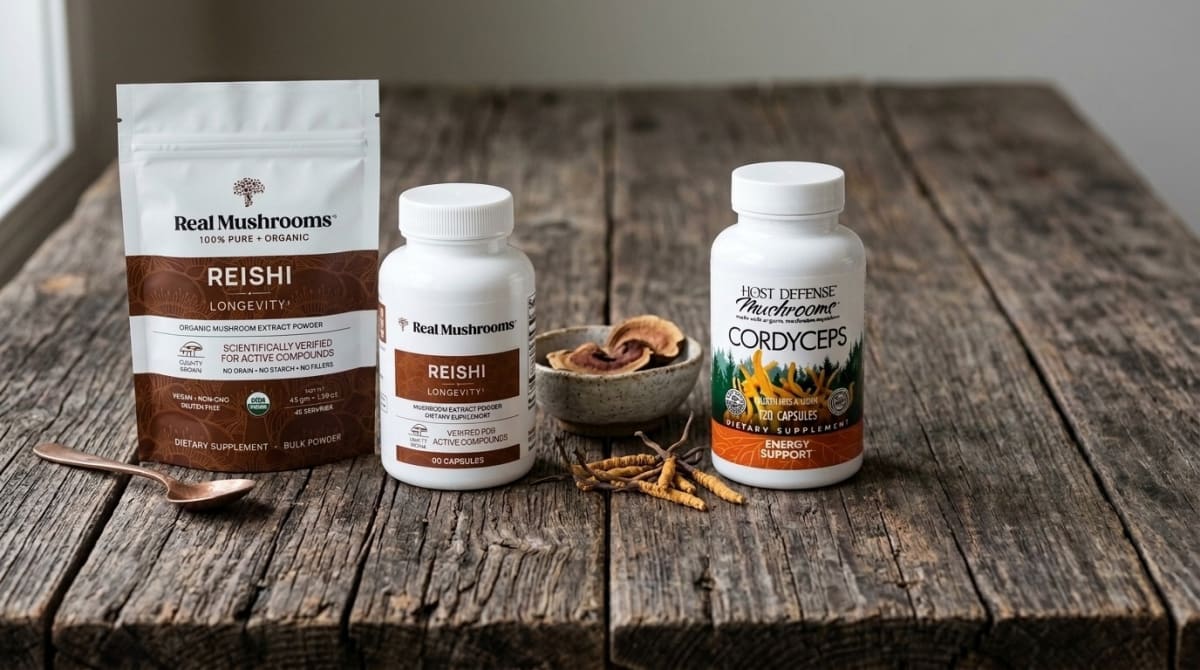
Shelves are packed with raw mushroom powders pitched as superfoods. Fungi construct their cell walls from chitin. That biological armor is the identical dense polymer forming crab shells and beetle carapaces. Human stomachs lack the specialized enzymes needed to break this raw material down. Swallow raw powdered fungi without sufficient heat treatment and those beneficial carbohydrates pass straight through the digestive tract completely untouched, which essentially means paying premium health prices for flavored dirt.
Real extraction melts that chitin away. Boiling raw material in massive vats breaks down the tough cell walls and pulls the water-soluble compounds into a thick dark liquid. The manufacturer then spray-dries this liquid into a fine powder. This process guarantees the body absorbs the nutrients. When we track bioavailability markers in clinical settings we find that hot water extracts deliver the active compounds directly to immune receptors while raw powders do absolutely nothing.
Some species require an extra step called dual extraction. Reishi mushrooms hold dense concentrations of triterpenes. These compounds are the main drivers for their calming properties. These triterpenes do not dissolve in water so extractors must use alcohol to pull these thick compounds out of the fungal tissue. A 2024 analysis published in the Journal of Fungi tracked various extraction technologies and found that adjusting heat and solvent types dramatically altered the final chemical payload of the extract. A basic hot water extract gets the job done for lion's mane and cordyceps. Reishi and chaga absolutely demand dual extraction printed on the label. We toss out any product selling itself as a simple mushroom powder without the word extract attached to it. Look for the alcohol marker.
Step 4 - Sourcing and Substrate
Location dictates absorption. Mushrooms act as powerful bio-accumulators in their natural environments. They operate like biological sponges on the forest floor. They soak up heavy metals, industrial runoff, environmental toxins, and pesticides right out of the soil or wood they grow on. This hyper-absorption makes sourcing the most critical safety factor in a purchasing decision. A mushroom grown on polluted soil will inevitably become a heavily polluted supplement.
Di Tao sourcing provides a strict traditional baseline. This old Chinese concept involves harvesting an ingredient straight from its original historical growing region. Rural mountainous areas in China have cultivated these species on natural wood logs for generations, keeping the air and water largely free from industrial pollution. Modern indoor organic farms across the United States and Canada now run brilliant controlled facilities that easily rival the best traditional overseas operations.
Look for the certified organic seal. This certification forces farms to use clean water and pure substrate materials. Cut corners by using chemically treated agricultural waste as a substrate and the resulting fungal tissue will ruthlessly concentrate those toxins. The root systems break down complex toxins and pull the toxic elements right into the cap. This biological mechanism works wonderfully for cleaning up oil spills in nature, but it works terribly for a daily wellness routine. We refuse to recommend non-organic extracts. Fungi need to grow on clean natural hardwood logs or pristine organic agricultural materials. If the brand hides where their raw materials originate, keep your money.
Affiliate Disclosure: Mushroom Health Hub earns commissions from qualifying purchases made through links on this page. This supports our lab testing and does not affect our recommendations. We only recommend supplements that pass our quality standards. Learn more
Step 5 - Third-Party Testing
Flashy marketing copy means nothing without hard laboratory proof. Anybody can slap big percentage numbers onto a shiny pouch. A trustworthy company will publish a Certificate of Analysis for every single batch they produce. This document proves an independent laboratory verified the safety and potency of the powder inside the bottle.
We scan these certificates for three distinct safety markers. The testing facility needs to screen for heavy metals like lead and arsenic. They also have to show microbial counts confirming no mold or harmful bacteria survived the extraction vats. Finally they need to list pesticide residues. We look for ISO accreditation on the laboratory letterhead since this international accreditation proves the testing facility meets rigorous analytical standards. The document must match the lot number printed on the bottom of the physical bottle.
Potency matters just as much. The certificate should validate the beta-glucan percentage printed on the retail packaging. We routinely audit commercial brands by requesting these documents. Plenty of companies dodge our requests entirely or fire back outdated paperwork from three years ago. If a brand hides testing data or refuses to email a current certificate upon request, buy the supplements elsewhere. Transparency proves legitimacy. Real Mushrooms sets a solid example here. They publish full analytical testing results right on their website and rely exclusively on validated Megazyme protocols so buyers can verify the exact batch numbers printed on the bottom of the bottle they hold in their hand.
Step 6 - Dosage and Form
Format dictates habit. Loose powders offer the most versatile and cost-effective route for daily use. You can easily drop a measured scoop into morning coffee or blend it into a thick protein shake. The earthy taste blends naturally with roasted flavors.
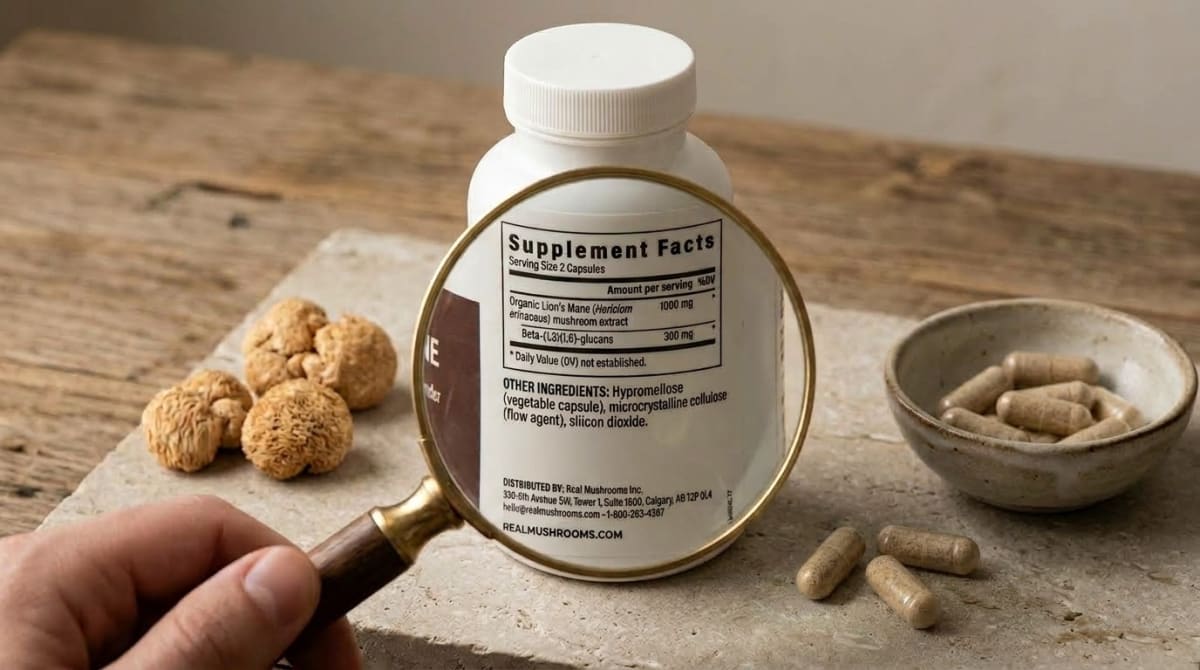
Pills provide serious convenience for travel. People skip the preparation time and avoid the raw mushroom flavor entirely. However, capsules limit the amount of extract a person can swallow at once. Matching a single teaspoon of loose powder might require swallowing three or four massive pills, a reality that makes capsules wildly expensive on a per-dose basis.
Liquid tinctures present a much messier equation. Alcohol-based liquids look medicinal and absorb quickly under the tongue. But fungi consist mostly of complex carbohydrates that require large volumes of water to extract. A tiny glass dropper physically cannot hold the same beta-glucan density as a dense scoop of dried extract powder. The mathematics do not support liquid formats for broad immune support. Buyers pay mostly for water and alcohol.
Pay close attention to the suggested serving sizes. Clinical trials tracking cognitive and immune markers typically push between one and three grams of extract per day. Many commercial gummies hide behind a miserable two hundred milligrams per serving. Hitting a biologically active threshold would mean chewing through half the bottle. We advise checking the total milligrams per serving and doing the math before handing over a credit card. A premium bag of powder might demand forty dollars upfront. But if that pouch holds sixty measured two-gram servings the actual cost per effective dose crashes down to pennies compared to a cheap thirty-dollar bottle of incredibly weak capsules.
Frequently Asked Questions
Gordon is a former high-tech researcher who traded his silicon chips for spores. With a background in molecular visualization, he spends his time mapping the intricate structures of medicinal fungi.
References & Further Reading
- Solid-State Fermentation of Riceberry Rice with Mushroom Mycelium for Enhanced Beta-Glucan Production and Health Applications — Molecules (2025)
- Evaluation of Polish wild Mushrooms as Beta-Glucan Sources — Int J Environ Res Public Health (2020)
- The Effect of Green Extraction Technologies on the Chemical Composition of Medicinal Chaga Mushroom Extracts — J Fungi (2024)