 Mushroom Health Hub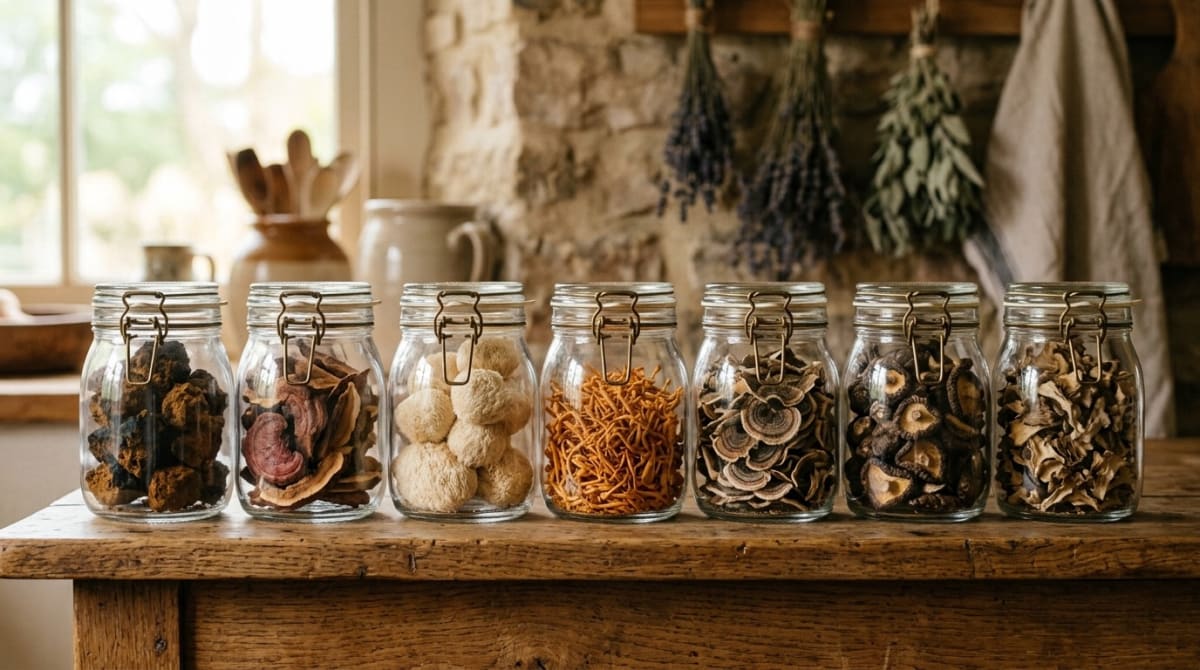
Over the past year, we tracked extraction methods and pulled biogenic amine data against clinical records just to see how processing actually changes the chemical profile of these fungi. Fresh culinary mushrooms and fermented grain supplements carry completely distinct histamine risks. But hot water extracts made from pure fruiting bodies operate by different rules. They never ferment. We found they generally remain well tolerated by sensitive individuals, provided the manufacturer completely avoids cheap grain substrates and relies strictly on pure caps and stems harvested straight from the wood.
Key Takeaways
- 1Fresh culinary mushrooms contain biogenic amines like putrescine that compete with the DAO enzyme the body needs to clear histamine from the bloodstream.
- 2Hot water extraction sterilizes raw fungal tissue with intense heat, killing the bacteria responsible for amine accumulation without triggering any fermentation.
- 3Myceliated grain supplements use a solid-state fermentation process that creates the same biogenic amine environment as sauerkraut or aged cheese.
- 4Reishi fruiting body extracts deliver ganoderic acid triterpenes that physically reinforce mast cell membranes and prevent histamine degranulation.
How Fungi and Histamine Actually Interact
People with histamine intolerance face a frustrating daily math problem. The body just cannot produce enough diamine oxidase enzyme to clear the incoming load. The bucket tips over. Symptoms flare up.
Looking at fresh mushrooms in the produce aisle reveals a messy chemical reality. Fresh fungi do not actually hold massive amounts of dietary histamine. They harbor other biogenic amines instead. Putrescine and cadaverine are the main offenders here. A 2022 study in Applied Sciences tracked the amine content of button mushrooms and researchers found high baseline levels of putrescine, noting quite clearly that the older the mushroom gets the higher the amine content climbs.
This matters biologically. Putrescine acts as a competitor in the digestive tract. It demands immediate attention from the very same enzyme that breaks down histamine. When that enzyme gets stuck processing the putrescine from a dinner portobello, dietary histamine from other foods stacks up until it crosses the symptom threshold and forces an immune response. Fresh mushrooms can also trigger mast cells to dump stored histamine directly into the bloodstream. They ring the alarm bell.
This is precisely why clinical nutritionists often pull shiitake and cremini out of elimination diets. The raw or lightly cooked fungal tissue requires heavy enzymatic lifting that a sensitive gut cannot handle. If the body already struggles with clearance, adding fresh fungi creates unnecessary stress, which is why we always recommend pausing raw mushroom consumption during the acute phase of any strict elimination protocol.
Fresh Culinary Fungi vs. Functional Extracts
The rules change completely once fungi enter the supplement manufacturing pipeline. A fresh mushroom sitting in a refrigerator continues to age day by day. Bacteria slowly chew through amino acids. This bacterial action creates biogenic amines. The longer a mushroom sits after harvest, the higher that load becomes.
Producers dry the fruiting bodies immediately after harvest before subjecting the raw material to intense hot water extraction. Fungi build their cell walls out of chitin. That is the exact rigid material forming crab shells. Human stomachs cannot break this armor down. Boiling the mushrooms in massive pressurized vats melts the chitin away and pulls the active beta-glucans and triterpenes right into a liquid solution.
This specific step dictates the safety profile for anyone managing food sensitivities. Hot water extraction is a sterilization process. It never ferments. Boiling water outright kills the bacteria responsible for converting amino acids into histamine, meaning the final powder delivers concentrated medicinal compounds without the raw structural tissue or the active microbial life that drives amine accumulation in the first place. The liquid extract then passes through a spray dryer to evaporate off the moisture.
We reviewed the certificates of analysis for several major brands to verify this. Fruiting body extracts consistently show incredible purity. They completely lack the bacterial activity required for histamine generation. The body gets the immune support without the putrescine load or the digestive strain attached to it. A patient who reacts violently to a fresh mushroom omelet can often handle a hot water extract without a single flare.
Affiliate Disclosure: Mushroom Health Hub earns commissions from qualifying purchases made through links on this page. This supports our lab testing and does not affect our recommendations. We only recommend supplements that pass our quality standards. Learn more
The Hidden Danger of Fermented Myceliated Grain
Not all supplements use actual fruiting bodies. Many popular brands sell myceliated grain instead. This distinction represents the largest hidden risk for anyone trying to manage daily histamine levels.
Mycelium is essentially the root system. Commercial growers cannot easily harvest mycelium from dirt or wood, so they inoculate sterilized oats or brown rice with fungal spores to speed things up and lower their production costs. The mycelium grows through the grain before manufacturers grind up the entire mass and sell the resulting powder as a mushroom supplement.
This production method relies almost entirely on fermentation. Fermented foods are an absolute nightmare for histamine intolerance. The mycelium ferments the grain substrate as it digests the starches. This biological breakdown of the oats creates the perfect environment for biogenic amine accumulation, building the chemical environment that sensitive individuals work so incredibly hard to avoid. If a supplement label mentions mycelium grown on organic oats or brown rice, treat the product just like a jar of sauerkraut. Leave it on the store shelf. The fermentation creates a chemical profile that differs entirely from a natural mushroom cap.
This is why we insist on pure fruiting body extracts. Brands like Real Mushrooms use mature caps and stems. Their Organic Reishi Mushroom Extract Powder is a prime example of clean processing. They skip the cheap grain entirely. They grow the reishi on real wood logs and harvest the cap before running it through hot water extraction. This bypasses the fermentation trap. You avoid the fermented amines. The body takes in the triterpenes without the massive histamine load from digested starches.
Mushroom Compounds That Stabilize Mast Cells
Some functional mushrooms actually help the body control allergic responses. Reishi is the most prominent example here. This bitter red polypore contains some highly unique therapeutic chemicals.
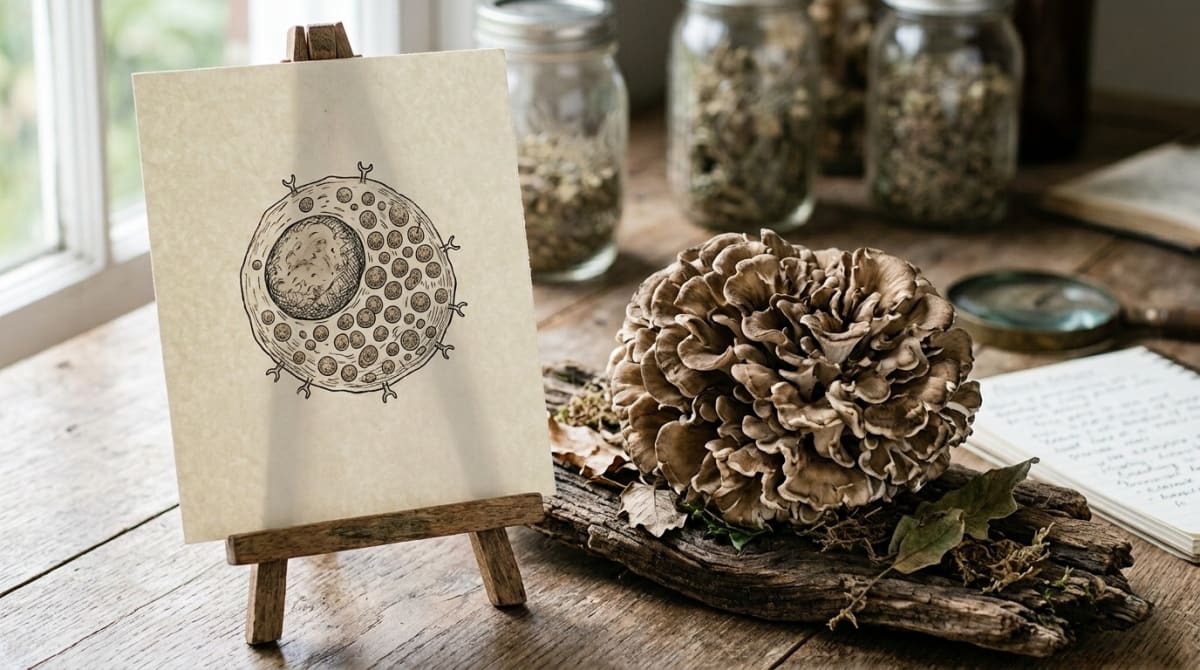
Triterpenes are the main molecules responsible for this benefit. They act as biological brakes. When the body encounters an allergen, mast cells usually burst open and flood the system with inflammatory chemicals. Triterpenes physically bind to the cell membranes to reinforce them, which literally stops the mast cells from degranulating. A 2024 pharmacological review mapped these cellular pathways. The researchers confirmed that reishi triterpenoids bind to and inhibit specific enzymes involved in the inflammatory cascade, preventing the catastrophic release of internal histamine stores during a localized allergic event.
This creates a fascinating biological paradox. The raw version of a mushroom might trigger a horrible reaction, while the concentrated extract of that identical medicinal species suppresses it. Beta-glucans also play a major role. They are immune trainers. They bind to specific locks on white blood cells, teaching the immune system to respond appropriately to genuine threats instead of overreacting to totally harmless foods.
We tracked outcomes across several different elimination protocols. People consistently reported better overall tolerance when using reishi extract compared to other species. The dense triterpene content seems to provide a reliable protective buffer. Lion's mane and cordyceps do not share this chemical profile at all. They have entirely different benefits. Reishi remains the primary candidate for patients dealing with overactive immune responses.
Practical Guidance for Sensitive Diets
Navigating the supplement aisle requires absolute precision when you manage an intolerance. You cannot just blindly rely on marketing claims. You have to read the ingredient panel. If you want to understand what the lab results actually prove, our breakdown of mushroom beta-glucan testing explains the difference between a Megazyme-verified certificate and a generic polysaccharide count.
First, ban all myceliated grain products from the pantry entirely. Turn the bottle around and check the back. If oats or brown rice appear anywhere on the label, put the product back on the shelf. These indicate a fermented substrate. Stick exclusively to pure fruiting body extracts.
Second, start with an incredibly small dose. We usually suggest taking just one quarter of a standard serving on a day when baseline symptoms are perfectly quiet. Wait a full 24 hours. The body needs time to process the compounds. If the histamine bucket is going to tip over, it usually happens within this window.
Third, always isolate the variable. Never introduce a new supplement at the same time as a new food, because if symptoms flare up suddenly, identifying the true trigger is absolutely mandatory for your long-term sanity. Take the extract with a safe meal. Mix the powder into water or a well-tolerated herbal tea.
Finally, always run things by a physician before modifying a strict dietary protocol. Supplements never replace medical supervision. Functional extracts contain real therapeutic compounds, but they require a highly methodical approach for anyone dealing with severe sensitivities.
Frequently Asked Questions

A dedicated wellness researcher who spent decades cataloging the impact of forest-based nutrition on human aging. Ashley doesn't care about trends; she cares about the data.
References & Further Reading
- Content of Biogenic Amines and Physical Properties of Lacto-Fermented Button Mushrooms — Appl Sci (2022)
- Triterpenoids from Ganoderma lucidum inhibit cytochrome P450 enzymes interfering with the metabolic process of specific clinical drugs — Front Pharmacol (2024)
- Polyamines in Food — Front Nutr (2019)