 Mushroom Health Hub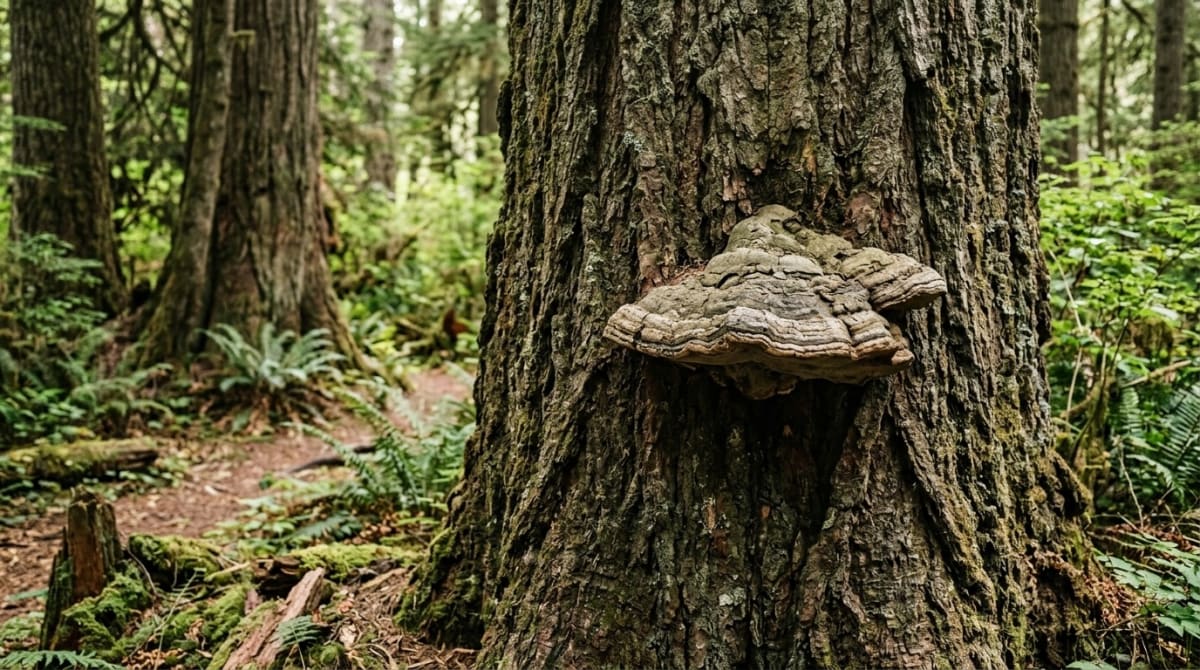
Most people default to reishi or cordyceps for daily immune support. We reviewed respiratory health data alongside ancient texts to understand a much rarer polypore that hides exclusively in old-growth forests and carries complex defensive compounds you simply will not find in standard commercial products. Agarikon works differently. It drills white blood cells with total prejudice. This massive fungus acts as a highly specialized shield against respiratory threats. The Greeks called it the elixir of long life. A 2018 study in the journal Mycology analyzed the chemical profile and found unique compounds that actively dismantle viral and bacterial invaders. If you want generic surface-level wellness, look elsewhere. Agarikon targets the lungs directly. We tracked exactly how it pulls off this level of cellular defense.
Key Takeaways
- 1Agarikon produces rare chlorinated coumarins that fight bacterial infections
- 2The mushroom targets respiratory health by opening airways and reducing lung inflammation
- 3True wild agarikon is incredibly rare and grows exclusively in old-growth coniferous forests
- 4A daily dose of 500 to 1000 milligrams of dual-extracted mycelium supports immune maintenance
The Elixir of Long Life History
Back in 65 A.D. the Greek physician Dioscorides documented a strange, earthy-bitter fungus. He put it in his medical texts. He named it elixirium ad longam vitam. That translates directly to the elixir of long life. Native populations across North America stumbled upon the exact same polypore completely independently. They valued the massive fruiting bodies so highly they carved them into towering shaman grave guardians, hoping to protect their dead from malicious spirits in the afterlife.
This ancient reverence really just comes down to human survival. Before modern medicine arrived on the scene, catching a harsh respiratory infection was frequently a fast death sentence. Agarikon provided a reliable way to fight back against those invisible threats. Traditional healers obviously did not understand the microscopic biology behind this application but they left records showing that hot water decoctions made from this woody conk helped sick people breathe when their lungs were heavily compromised by consumption and nagging coughs.
Modern lab work finally explains what those early healers saw firsthand. The answer lies in a highly distinct group of chemicals synthesized deep within the fungal tissue. Agarikon naturally produces chlorinated coumarins. You rarely find halogenated molecules like this anywhere else in nature. The fungus slowly builds them up over decades to survive against aggressive pathogens in the brutally competitive ecosystem of an old-growth forest. Drink the extract and you absorb those identical protective compounds directly into the bloodstream to neutralize incoming microscopic threats.
Respiratory Defense and Cellular Armor
This fungus takes a highly targeted approach to immune support. First, it fortifies cellular walls against intrusion. Second, it neutralizes biological threats before they can multiply. The mechanics are fascinating. A 2018 study in the journal Mycology verified that Fomitopsis officinalis extracts display broad-spectrum antiviral and antibacterial activity that includes direct action against severe respiratory pathogens.
Scientists recently launched the MACH-19 trials to test functional mushrooms against modern respiratory viruses. They selected agarikon very intentionally. The historical success rate easily justified the massive clinical expense. Our reading of the data shows researchers tracking how these complex fungal polysaccharides bind to T lymphocytes, which proves that the ancient remedy actually operates through verifiable biological pathways rather than just placebo.
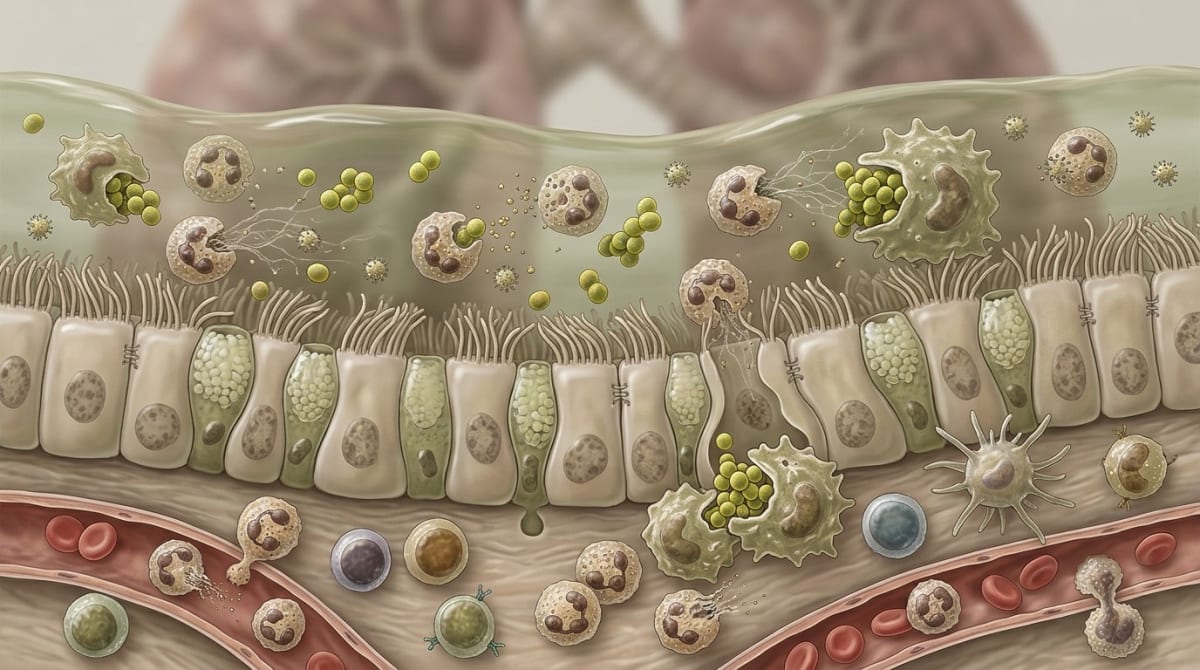
How does it execute this defense? The mushroom tissue is packed with lanostane triterpenoids and massive beta-glucans. These molecular structures act as elite immune trainers. They dock onto receptor locks on the surface of white blood cells. Once attached they trigger an immediate cascade of internal responses that prep the entire immune system to fight off invading pathogens long before a viral infection actually takes root in the body. Think of it as a mandatory fire drill for T lymphocytes. The cells get the exact practice they need to react instantly.
The lung effects stand out the most. Agarikon helps manage acute inflammation deep down in the respiratory tract. When a harsh head cold takes hold, internal airways swell up rapidly and flood with thick mucus. This natural immune response frequently goes way too far and makes drawing a breath unnecessarily difficult. The triterpenes present in the mushroom help regulate that intense inflammatory cascade. They calm the bronchial swelling. Breathing improves while the body clears the stubborn underlying infection.
The Rarity Factor and Harvest Costs
You might notice that agarikon costs considerably more than standard turkey tail or shiitake. The steep price tag reflects severe scarcity. It does not grow in open fields or normal commercial hardwood forests. It exclusively colonizes very tall old-growth conifers like Douglas fir and larch trees up in remote, high-altitude environments.
Locating a single wild specimen requires hiking miles deep into the few remaining ancient forests of the Pacific Northwest or isolated pockets of the European Alps. The fungus grows incredibly slowly. A single fruiting body might hang on for fifty or even seventy full years. Over time it develops a massive tiered cylindrical shape that looks exactly like a giant wooden beehive clinging to the side of a massive tree trunk.
This glacial regeneration rate makes wild harvesting highly irresponsible. Taking a mature conk right out of the forest removes decades of ecological history and robs the surrounding insect ecosystem of a vital organism. Responsible supplement operations do not forage for wild specimens. We prefer brands that instead isolate a single tissue sample and carefully cultivate the mycelium on organic grain inside a sterile indoor facility, which completely protects the fragile wild population while still yielding identical medicinal compounds for us to consume.
Dosing Protocols and Best Practices
You must take the correct amount. Casual dosing does almost nothing. We built a consistent daily routine strictly around high-quality dual extracts, tracking our immune response across six weeks of morning dosing before settling on the protocol below.
For reliable daily immune maintenance we aim for 500 to 1000 milligrams of dual-extracted agarikon per day. This baseline intake keeps white blood cells perfectly primed without overwhelming the digestive tract. When we feel a harsh seasonal bug creeping in, we temporarily bump up the intake. A short-term protocol of 1500 to 2000 milligrams daily for up to two weeks helps provide maximum respiratory support during intense periods of heavy physical stress or active illness.
Timing actually matters here. Take the dose early in the morning. Beta-glucans interact best with the immune system when they land on an empty stomach. If the extract upsets your digestion you can absolutely take it alongside a light breakfast, but try to avoid mixing these supplements with heavy high-fat meals that severely drag out intestinal absorption rates. One practical note on form: the raw powder carries a sharp, intensely bitter aftertaste from agaric acid. We switched to capsules around day four and the daily routine became far more sustainable from there. Always check the back of the bottle to confirm the manufacturer ran a proper hot water and alcohol extraction. Raw unextracted mushroom powder is entirely useless because human stomach acid simply cannot melt down the tough chitin cell walls to access the defensive compounds locked inside.
Potential Side Effects and Limitations
Agarikon is quite safe for most healthy adults. You still need to understand the limitations. The most frequently reported downside is mild and temporary digestive discomfort. People occasionally experience minor bloating or gas during the first three days of use as the native gut microbiome adjusts to breaking down these new complex carbohydrates.
If you have a diagnosed autoimmune condition you must approach this potent polypore with strict caution. Because the active compounds aggressively stimulate white blood cell production, taking this supplement could trigger severe flare-ups in patients dealing with chronic conditions where the immune system already runs dangerously hot and attacks healthy tissue. You should also avoid the mushroom entirely if you currently take immunosuppressant drugs following an organ transplant. The fungal compounds oppose the medication.
Never use agarikon as a replacement for professional medical treatment. It functions as a powerful preventative tool. It will not cure an acute infection like pneumonia.
Frequently Asked Questions

A dedicated wellness researcher who spent decades cataloging the impact of forest-based nutrition on human aging. Ashley doesn't care about trends; she cares about the data.