 Mushroom Health Hub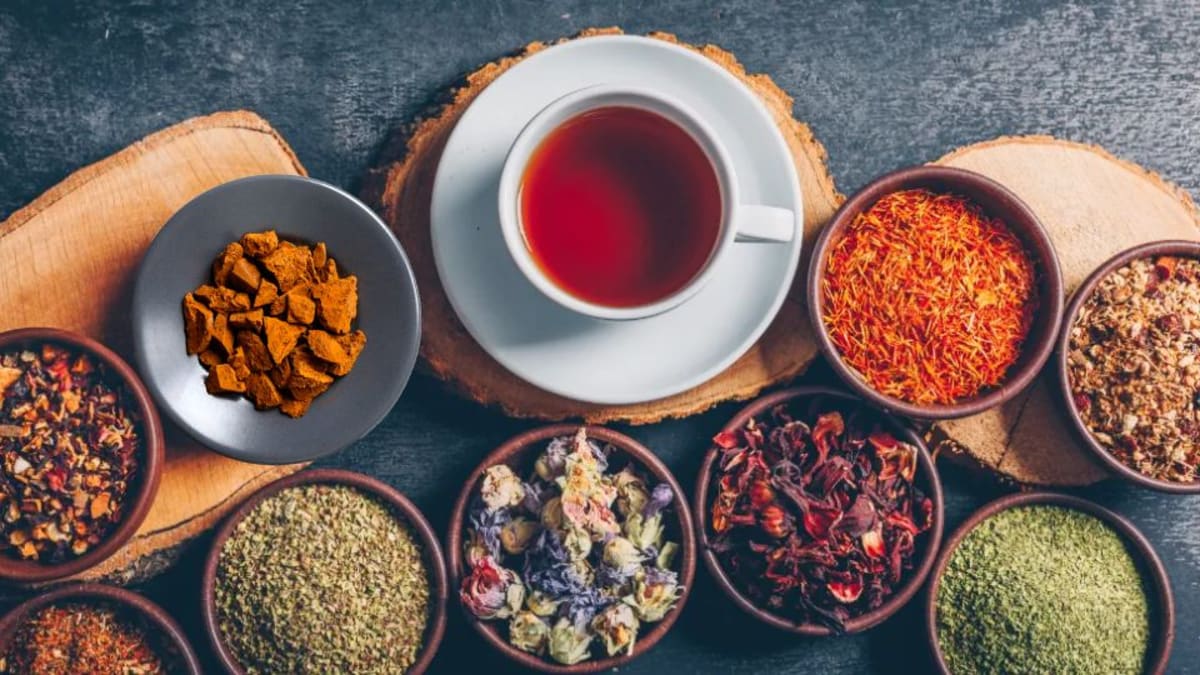
Chaga tea tastes like a mild, earthy-bitter coffee with quiet hints of vanilla and toasted wood. There is no savory mushroom flavor here. None at all. When we brew a cup of this ink-black extraction, we are actually tasting the chemical breakdown of birch wood lignin, a biological process that happens to create the exact same aromatic molecules found in tropical vanilla orchids.
We tracked the sensory chemistry of Inonotus obliquus to see how these compounds interact in the cup. The secret starts in the host tree. The fungus slowly eats the living wood over a decade. It turns ordinary bark into a dense storage unit of volatile organics. People usually hesitate to drink a fungus because they expect a bowl of hot soup. This brew contains zero glutamate.
Key Takeaways
- 1Chaga's vanilla note comes from actual vanillin, the same phenolic aldehyde in vanilla beans, produced when the fungus breaks down birch wood lignin over years
- 2The black outer crust holds far higher concentrations of bitter triterpenoids than the golden interior, so steeping time directly controls bitterness
- 3Wild birch-grown chaga produces vanillin while grain-grown cultivated mycelium does not, since it lacks the lignin precursors needed for the aromatic chemistry
- 4A 15-minute steep highlights vanilla and sweetness; a 3-hour decoction produces a pitch-black brew closer to dark roast coffee
The Anatomy of a Sclerotium
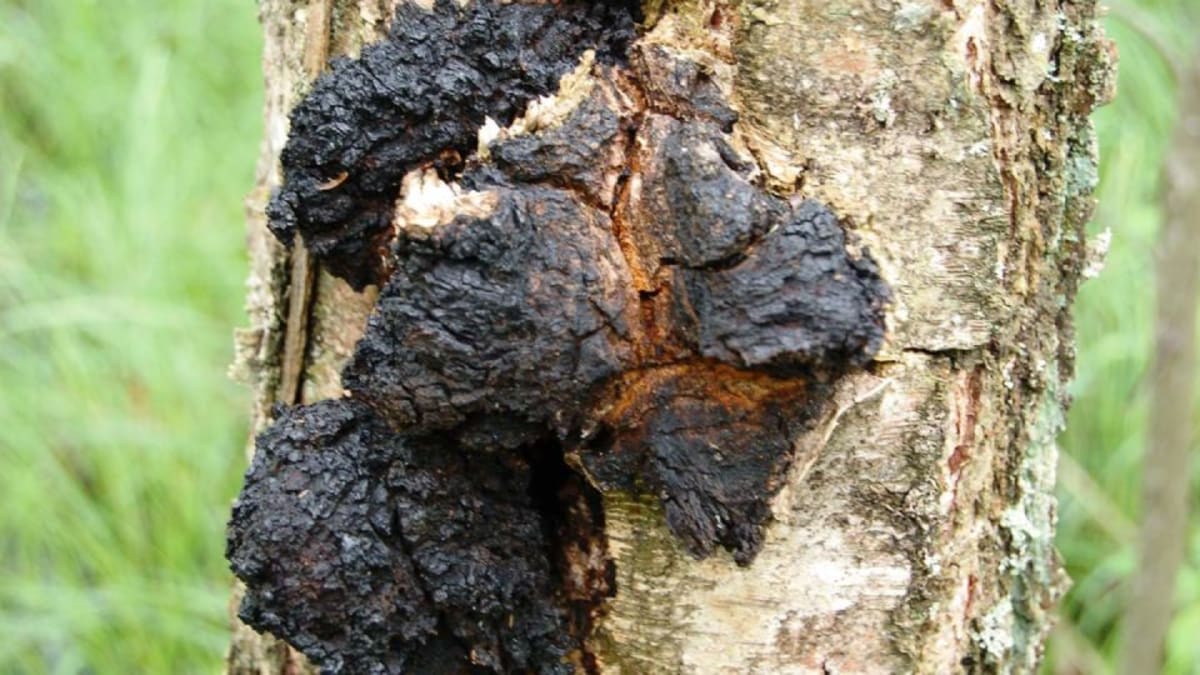
To grasp the taste profile, we need to look at the physical structure of the organism. This fungus never produces a standard cap and stem. It forms a sterile conk we call a sclerotium. This solid block of blackened mycelium grows almost entirely on birch trees in subzero climates.
Standard grocery store mushrooms grow fast in dirt or decaying matter. They rely on glutamate and aspartic acid for that classic umami flavor. The sterile conk operates on a radically different biological clock. It spends five to ten years pulling nutrients straight from the sapwood of the living birch. The advancing mycelium gathers precursor molecules from the tree sap over the course of several frozen winters, gradually locking them into a tight woody matrix that will eventually become the hardened conk we harvest.
The resulting mass looks exactly like a piece of burnt charcoal. The outer crust is deeply cracked and pitch black. Break it open. The inner core shines with a golden brown hue. Dropping these chunks into hot water releases a decade of stored forest chemistry. Fungal enzymes and tree sap combine to create a drink that sits right on the border between a light herbal tisane and a heavy roasted root decoction.
Flavor Chemistry of Vanillin and Polysaccharides
The most surprising note hitting the palate is the distinct aroma of vanilla. The chemical structure backs this up completely. The organism literally contains vanillin. This phenolic aldehyde is the exact same chemical compound extractors pull from vanilla beans. The fungus manufactures it by slowly breaking down the structural lignin of the host tree.
A 2024 study in Molecules analyzed the volatile components of the fungus and researchers found unexpectedly high concentrations of these aromatic aldehydes. As the hot water hits the ground material, the vanillin dissolves rapidly. It floats right to the surface and hits the olfactory receptors before the liquid even touches the tongue. That initial aromatic wave softens the whole perception of the brew.
The mild sweetness of the tea comes from complex carbohydrates. We found the inner golden core holds massive levels of water-soluble beta-glucans. These polysaccharides do not spike blood sugar the way table sugar will. They just provide a subtle background sweetness that rounds off the sharper wood notes. Vanillin and beta-glucans join forces to give the extraction a comforting pastry-like quality, mimicking the experience of a sweetened black tea without requiring a single grain of added sugar to achieve that deeply satisfying flavor profile.
The Bitter Contrast of Triterpenoids and Hispidin
While the inner core brings the sweet aromatics, the outer crust delivers the sharp astringency. This exterior is packed with melanin. The birch tree actually produces these chemicals to fight off the fungal infection. The fungus just absorbs them. It tweaks their molecular structure.
The primary drivers of the medicinal taste are triterpenoids. Molecules like betulinic acid and inotodiol carry a severe astringent bite. Scientists mapped out the distribution of these chemicals in a 2021 Nutrients study. The research team found the black sclerotium crust holds drastically higher concentrations of triterpenes than the softer golden interior.
Hispidin analogs add yet another layer of flavor complexity. These polyphenols shield the exposed fungal tissue from intense ultraviolet radiation in the wild, but in the mug they show up as a dry woody tannin sensation right on the back of the tongue. This specific tannin structure mimics the mouthfeel of heavily steeped black tea or a dry red wine leaving a lingering finish of roasted roots and damp earth.
Extraction Methods for Chunks and Powder
How we buy the raw material dictates exactly what ends up in the cup. We tested both whole chunks and finely ground powder in our kitchen. The available surface area controls the entire speed of flavor extraction. Understanding these format differences directly informs brewing technique and final taste outcome.
Chunks yield a much milder experience. The water takes a long time to penetrate the thick fungal tissue. A cup brewed from chunks looks like a light amber broth and finishes clean. We usually reuse these large pieces three or four times. The flavor profile shifts wildly with each subsequent boil. The first extraction pulls out the highly soluble sugars and delicate vanilla notes. Later extractions force the stubborn medicinal compounds out from deep inside the fungal matrix.
Powder behaves totally differently in water. The industrial pulverization process blows open all the cellular walls at once. Brewing powder leaves us with an opaque liquid packing an intense earthy punch. This fine dust extracts the biting triterpenes in just minutes. We prefer the powder for coffee replacement routines. The heavy sediment left at the bottom of the mug adds a gritty physical mouthfeel, mimicking the rich texture of unfiltered French press coffee while delivering a highly concentrated dose of the raw material.
Controlling the Taste with Temperature and Time
Heat is a powerful chemical solvent. The temperature and duration of the boil directly manipulate the molecules sitting in the cup. Polysaccharides and vanillin dissolve without much of a fight in warm water. Triterpenes require sustained high heat to finally break their tough molecular bonds.
A quick fifteen-minute steep creates a pleasant amber liquid. This fast method highlights all the aromatic notes. A three-hour rolling decoction produces a pitch-black brew. That extended heat eventually shatters the tough chitin walls. This dumps a massive volume of betulinic acid straight into the water. The long decoction tastes much closer to a dark roast coffee bean.
If the sharp profile overwhelms the palate, a little fat and sugar will bind to the harsh compounds, which is why a splash of oat milk completely masks the astringency of the triterpenes. Maple syrup pairs beautifully with the natural vanilla aldehydes. Never pour rolling boiling water directly over the powder if you want a mild cup. We use water just off the boil to preserve the delicate aromatic structures and prevent the liquid from turning into an aggressively astringent medicine.
The Role of Source and Habitat
The geographical origin of the fungus heavily impacts its final sensory qualities. Wild specimens pulled from birch trees contain the full spectrum of aromatic precursors. Cultivated versions grown on sterile grain spawn entirely lack the lignin necessary to produce vanillin.
If a commercial tea tastes like bland potting soil, it probably came from grain-grown mycelium. The birch bark provides the mandatory raw materials for the flavor chemistry. Fungi harvested in extreme subarctic environments almost always produce more defensive compounds than those grown in milder temperate climates. The brutal slow growth cycle in frozen environments compresses the fungal tissue.
Storage conditions can also ruin the aromatics overnight. We keep the raw material sealed tight. The vanilla notes oxidize rapidly in open air. When moisture breaches a storage bag, the powder develops a stale dusty odor that immediately destroys the pleasant woody profile, replacing the bright forest aromatics with the distinct and highly unpleasant stench of damp cardboard.
Comparing the Taste to Popular Beverages
Newcomers always ask for a direct comparison before they take their first sip. We regularly benchmark the extraction against familiar morning drinks. The flavor lands somewhere in the exact middle of a matrix between black tea, dark coffee, bitter chocolate, and a root broth.
It shares the tannic structure of black tea. The hispidin compounds create a distinctly dry feeling on the palate. It completely lacks floral notes. When we brew the powder into a thick heavy decoction it perfectly mimics the dark roasted bite of French press coffee. It lacks the bright acidity of a light roast bean.
Some people compare the mouthfeel to a mild root broth. This viscosity coats the tongue and throat. The high polysaccharide content gives the liquid a slippery and surprisingly thick texture. It provides a comforting physical weight that thin herbal teas simply cannot match. Because the liquid contains zero proteins or animal fats, it avoids the savory territory of an actual meat broth, maintaining a clean plant-based profile that finishes with a crisp snap of birch wood.
Frequently Asked Questions
Gordon is a former high-tech researcher who traded his silicon chips for spores. With a background in molecular visualization, he spends his time mapping the intricate structures of medicinal fungi.
References & Further Reading
- Molecules 2024 — Molecules (2024)
- Nutrients 2021 — Nutrients (2021)