 Mushroom Health Hub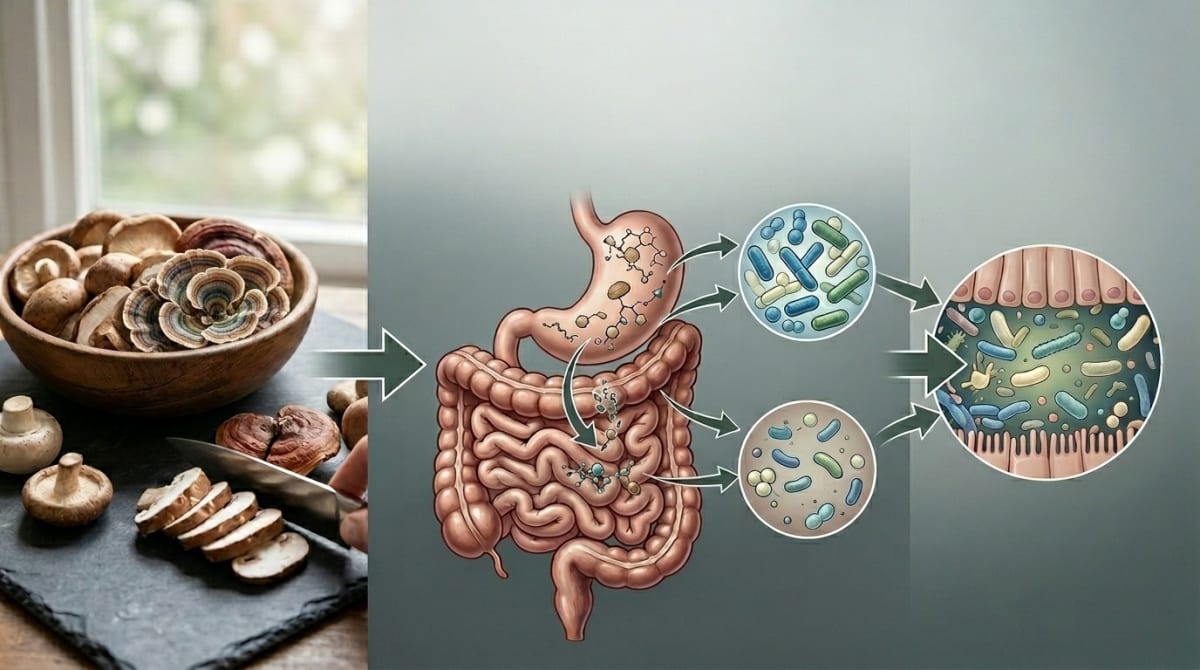
We spend billions on probiotic capsules while starving the bacteria trapped inside them. Turkey tail fixes this. The compounds in the fungus basically become the main food source for the microbiome. When we reviewed clinical trial data tracking stool samples in healthy volunteers over an eight-week stretch we noticed that the polysaccharopeptides within the mushroom extract rearranged intestinal populations by feeding beneficial microbes while starving out the pathogens.
The whole approach relies on feeding rather than seeding. We cannot force foreign bacteria to colonize a hostile environment. The terrain must change first. Turkey tail packs dense sugar chains that human stomachs cannot digest. They travel straight to the lower intestine. They ferment there. That fermentation process feeds the helpful microbes already living inside the colon.
We analyzed evidence tracking bacterial shifts in volunteers taking either antibiotics or fungal extracts. The data challenges how the industry handles gut repair right now. The extracts sparked substantial growth in probiotic strains. They pull this off without dropping a single live culture into the digestive system.
Key Takeaways
- 1Turkey tail polysaccharopeptides act as prebiotics — they feed existing beneficial bacteria rather than introducing new ones
- 2A 2014 clinical trial confirmed significant growth in Bifidobacterium and Lactobacillus populations after 8 weeks of daily use
- 3Hot water extraction is required — raw or ground mushroom powder cannot penetrate the chitin cell wall
- 4Consistency matters more than timing — sporadic use fails to shift bacterial populations permanently
How Polysaccharopeptides Feed The Microbiome
Most dietary fibers act like blunt instruments that just add bulk and speed up transit times. Turkey tail operates with targeted precision. Two distinct molecules run the show here. Polysaccharopeptide and polysaccharide-K happen to be protein-bound carbohydrates that form the tough cell walls of the fungus.
Human enzymes fail completely against these bonds. When we look at hot water extracts we see how they deliver polysaccharopeptide safely into the digestive tract. The compound easily survives stomach acid. It passes right through the small intestine without breaking down into simple sugars. The payload hits the colon fully intact. Resident bacteria recognize the molecular shape and start to feed.
This fermentation sets off an immediate biological cascade. As bacteria consume the carbohydrates they pump out short-chain fatty acids like butyrate and acetate. These short-chain fatty acids fuel the cells lining the colon walls, keeping the entire intestinal barrier strong and preventing unwanted particles from leaking into the bloodstream. The local environment also becomes more acidic. Pathogenic microbes hate acidity. Probiotic strains thrive in it.
Turkey tail functions as a targeted fertilizer. It hands helpful microbes the exact raw materials they require for rapid multiplication. These growing microbial populations naturally outcompete the harmful invaders that cause everyday digestive distress.
Clinical Evidence For Bacterial Shifts
Researchers put this prebiotic action to the test in a 2014 study published in Gut Microbes. They tracked human gut populations under intense chemical pressures. The trial split twenty-four volunteers into different groups. One group received polysaccharopeptide extracted from turkey tail. Another group took amoxicillin. The research team collected stool samples for eight straight weeks. They mapped the precise bacterial makeup to see which populations grew and which ones died off.
The data painted a clear picture. The antibiotic caused severe disruptions. It sparked an immediate surge in harmful strains. The people taking the extract experienced the precise opposite effect. Stool analysis confirmed the prebiotic activity of the fungus. The polysaccharopeptide forced populations of Bifidobacterium and Lactobacillus to expand rapidly.
These two bacterial families drive baseline intestinal stability. Less desirable microbial strains dropped out of the picture simultaneously. The overall bacterial diversity improved. Turkey tail managed all this without introducing a single outside organism.
This mechanism changes how we approach gut repair entirely. Patients constantly try to fix antibiotic damage by swallowing commercial yogurt or standard probiotic pills. Those live cultures rarely survive the harsh journey through the stomach. The 2014 clinical data suggests feeding the survivors instead. When polysaccharopeptides finally enter a depleted gut they hand over the biological fuel that remaining good bacteria desperately need to rebuild their numbers and reestablish dominance within the intestinal ecosystem.
This timeline sets realistic expectations for recovery. The study tracked progress over two full months. The gut microbiome simply does not change overnight. The bacteria need consistent feeding to shift the population balance permanently. A single dose does absolutely nothing. Daily consumption builds the sustained pressure needed to crowd out bad bacteria and lower the overall colon pH. A lower pH secures long-term intestinal fortitude against future dietary stressors or sudden antibiotic interventions.
How To Take It For Digestion
Raw turkey tail mushrooms are entirely useless for human digestion. The target compounds stay locked behind a rigid wall of chitin — the same structural material found in crab shells. Human stomachs cannot digest it. The process requires heat.
You absolutely need a hot water extract. Sustained boiling temperatures melt the tough chitin and release the polysaccharopeptides into a bioavailable format. If a supplement brand just grinds up raw mushrooms and stuffs them in a capsule, you are looking at a product that wastes your money because the active compounds remain totally inaccessible. Check the label for proper extraction methods.
Affiliate Disclosure: Mushroom Health Hub earns commissions from qualifying purchases made through links on this page. This supports our lab testing and does not affect our recommendations. We only recommend supplements that pass our quality standards. Learn more
We aim for two grams of extract powder every day. This delivers enough carbohydrates to actually influence the gut bacteria. Consistency matters much more than timing here. The dark powder dissolves fine in morning coffee. It stirs right into an evening tea. The structural sugars easily survive boiling water. Just take the extract every single day. The 2014 trial demonstrated clearly that sporadic consumption totally fails to create the permanent microbial shifts required for lasting stomach comfort and improved daily digestive regularity.
Expected Side Effects And Limitations
Microbiome expansion can feel uncomfortable at first. When beneficial bacteria suddenly receive a massive influx of fresh fuel they multiply extremely fast. This rapid fermentation spike produces gas. Mild bloating or flatulence happens frequently during the first few days of consistent supplementation.
This adjustment period is normal. The physical symptoms fade after the first week. The internal bacterial populations stabilize and adapt to the continuous stream of carbohydrates. We suggest starting with a half dose for sensitive stomachs. You can gradually bump it to the full amount over fourteen days.
People taking immunosuppressive medications should consult a doctor first. The compounds stimulate cellular defense mechanisms, which can interfere with pharmaceuticals designed to suppress immune responses following major surgeries or organ transplants. The extracts interact directly with white blood cell receptors and alter how the body responds to pharmaceutical suppression.
Frequently Asked Questions

A dedicated wellness researcher who spent decades cataloging the impact of forest-based nutrition on human aging. Ashley doesn't care about trends; she cares about the data.