 Mushroom Health Hub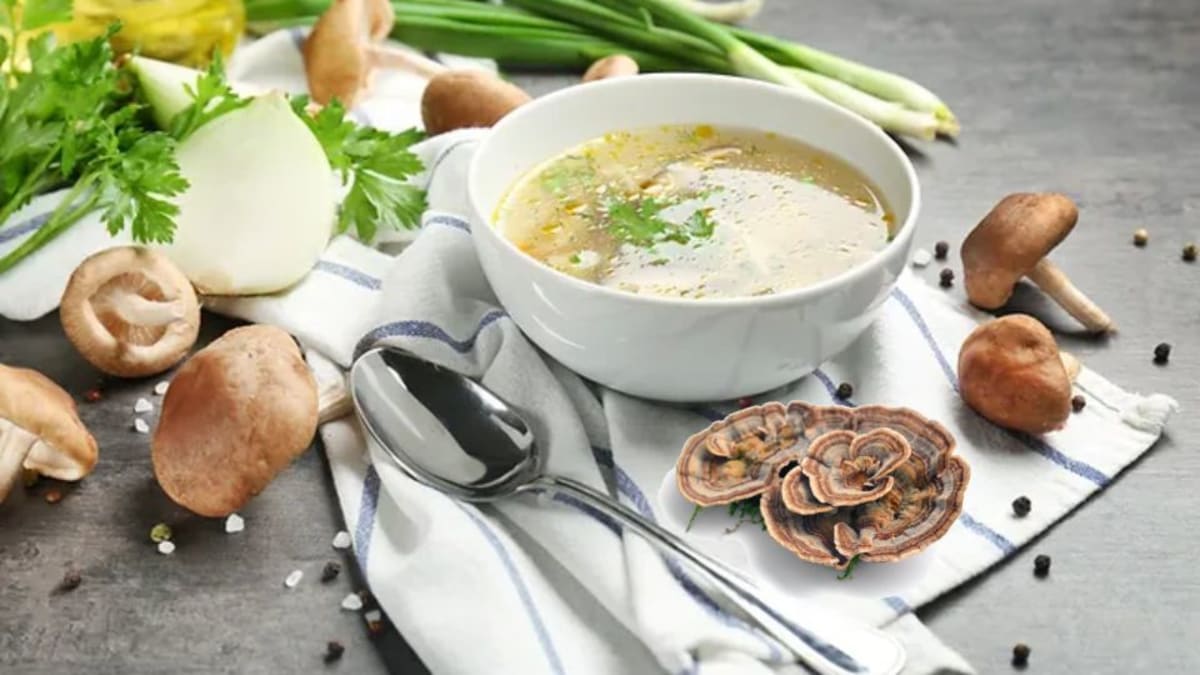
We keep seeing wellness bloggers pan-frying turkey tail slices in butter. Please stop doing this. Trametes versicolor is a remarkably stubborn polypore. Human teeth simply cannot chew through that leathery fruiting body. Thick chitin makes up the cell walls. We have to perform a proper hot water extraction if we want to release any of the target beta-glucans. When we tracked the most common preparation methods pushed across social media over the past two years we found almost everyone skips the mandatory decoction phase. Forget trying to eat these raw fungi like standard grocery store buttons. Our testing protocol, refined through four seasons of wild foraging and cultivated sourcing, breaks down exactly how to force those polysaccharides out of the chitin matrix using sustained heat, leaving us with a highly bioavailable liquid base that we then build into four distinct culinary applications.
Key Takeaways
- 1Turkey tail mushrooms cannot be eaten raw or pan-fried - hot water extraction is the only evidence-based preparation method
- 2Drying fruiting bodies before extraction shrinks the chitin matrix, maximizing compound release and dosing consistency
- 3A minimum two-hour simmer at 80-90°C is required to dissolve beta-glucans from the cellular structure
- 4The finished broth substitutes for stock in soups, risotto, wellness tea, and smoothies
The Science of Mushroom Extraction
Before touching a stove we need to understand basic fungal biology. Polysaccharide-K and polysaccharopeptide are the actual compounds driving the effects in Trametes versicolor. These large molecules possess documented immune-supporting properties. But they stay permanently locked inside the cellular matrix of the organism. That matrix consists entirely of chitin. It forms crab shells too. Human stomachs do not produce chitinase. We literally cannot digest this stuff. Swallowing raw unextracted mushroom powder just pushes the beta-glucans straight through the digestive tract. Hot water is our tool to melt those rigid chitin walls. Sustained heat forces the structural matrix to expand and eventually rupture so the target polysaccharides can dissolve into the surrounding liquid.
Plenty of commercial brands rely heavily on alcohol extractions instead. Alcohol isolates triterpenes. But it also causes beta-glucans to precipitate and fall out of the solution entirely. A 2025 study in Mycology Research confirmed that pure water decoctions yield the highest concentration of bioavailable polysaccharopeptides, meaning a long simmer remains the only evidence-based preparation method we have for this particular species.
Fresh vs. Dried Fruiting Bodies
Foragers ask us all the time if they should process wild caps immediately. We strongly advise against using fresh material for liquid extractions because these freshly picked polypores hold up to eighty percent water by weight. All that internal moisture dilutes the final broth. The excess water also prevents the cellular walls from fracturing the way we need them to during the boiling phase.
Drying the caps physically alters their architecture. Dehydration shrinks the chitin matrix. The cellular walls get brittle. They become highly prone to shattering. Submerging dried pieces in boiling water triggers a rapid rehydration that causes microscopic tears all across the tissue. These tiny fractures are exactly what allows the hot liquid to penetrate deep into the core of the mushroom.
Dried material also guarantees consistent dosing. A random cup of fresh fungi yields a totally unpredictable amount of target compounds and that makes accurate supplementation impossible. One hundred grams of dehydrated biomass gives us a reliable baseline for extraction. We always dehydrate our harvest before getting anywhere near a stockpot. This extra step demands a bit of patience but the resulting concentration of fungal compounds makes the waiting period entirely worthwhile for anyone serious about immune health.
What You Need
Before turning on the stove you need to gather the right hardware and ingredients. This process requires equipment capable of holding low heat for hours at a time. A standard slow cooker works beautifully. A heavy stockpot is fine too. Always source organic fruiting bodies to bypass any potential heavy metal contamination.
You will need four main items.
- 100 grams of dried Trametes versicolor fruiting bodies
- Four liters of filtered water
- A digital food dehydrator
- A high-speed blender
If you forage wild specimens you need a soft bristle brush to sweep away bark and dirt. Cultivated farm products usually arrive already cleaned. Keep a fine mesh strainer nearby to separate the finished liquid from the exhausted biomass later on. We strongly prefer using whole pieces instead of pre-ground dust because intact slices retain their volatile compounds much longer. A 2025 study in Mycology Research demonstrated that whole dried polypores maintain superior physical integrity compared to mechanically processed commercial powders, which degrade rapidly once exposed to oxygen and ambient temperature fluctuations in standard kitchen cabinets.
Step-by-Step Preparation
Proper preparation means turning a rigid piece of wood-like fungus into an active liquid base. We can then funnel that liquid into multiple dishes.
Step one requires cleaning and drying the fruiting bodies. Brush the dirt off your wild caps using a dry toothbrush. Never soak raw polypores in the sink. Leftover moisture just encourages mold growth during storage. Lay the clean pieces out on dehydrator trays set to 35 to 38 degrees Celsius. Leave them alone for 24 hours. By hour 20, the caps will feel noticeably lighter. By hour 24, the edges should snap cleanly when bent.
For step two we grind the dried pieces. Dump the brittle fungi into a high-speed blender. Pulse the machine a few times until the material breaks down into a coarse consistency. We do not want fine dust. A rough chop is enough to increase the surface area for the upcoming water extraction. The texture should resemble chunky breadcrumbs, never powder.
Step three is the actual hot water decoction. Toss 100 grams of the coarse material into a stockpot with four liters of water. Bring everything to a rolling boil. Drop the heat immediately to a low simmer. Keep this gentle simmer going for at least two hours to properly melt the stubborn chitin. Within the first 45 minutes, the broth turns a deep burgundy. By 90 minutes, you'll notice the smell intensifying from earthy to rich. A 2025 review in the journal Foods confirmed that temperatures sitting right between 80 and 90 degrees Celsius are strictly required to release the target beta-glucans and polysaccharopeptides into the fluid without destroying their delicate molecular branching.
Step four covers straining and storing the base liquid. Pour the dark broth right through a fine mesh strainer into a large glass container. Press the wet biomass hard with a wooden spoon to squeeze out every remaining drop. Throw away the exhausted solids. The dark tea stays fresh in the refrigerator for up to a week.
In step five we cook with the extracted base. We substitute this earthy liquid for water or standard vegetable stock in our daily cooking. This is how we build medicinal meals. It forms an incredible foundation for savory soups. We also use it to boil grain dishes.
Four Turkey Tail Recipes
We apply the concentrated liquid from our hot water extraction across four culinary formats. Our favorite approach integrates the tea directly into savory meals. Sweet applications work surprisingly well too. The earthy flavor profile pairs naturally with dark cacao.
Roasted Mushroom Soup
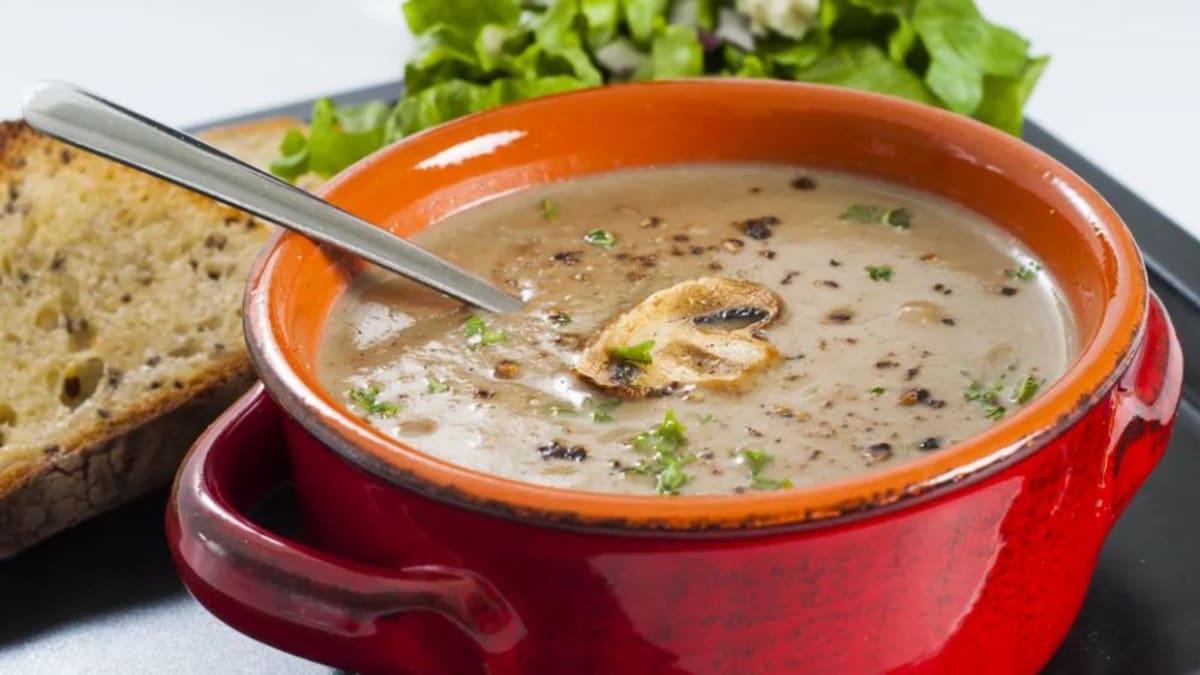
This hearty recipe relies on the deep umami notes of the decoction. We use standard culinary mushrooms to build texture while the broth handles the health benefits. Heat two tablespoons of olive oil in a large pot. Add diced red onions, minced garlic, chopped celery, and shredded carrots. Saute the vegetables until they soften up. Pour in four cups of the extracted turkey tail liquid alongside one cup of full-fat coconut milk. Toss in ten ounces of sliced shiitake or cremini mushrooms. Let everything simmer for twenty minutes. Use an immersion blender to puree the whole mixture until it looks smooth.
Savory Risotto
Melt some butter in a wide saucepan. Stir in one cup of arborio rice. Toast the grains for two minutes. Pour in a half cup of dry white wine. Let the alcohol evaporate. Slowly ladle hot turkey tail broth into the pan while stirring continuously. Wait for the rice to absorb each addition before adding any more liquid. This slow addition of the hot extracted broth forces the arborio rice to release its native starches, creating a perfectly creamy texture without requiring any dairy cream or excessive cheese products. Finish the plate with a handful of grated hard cheese and fresh parsley.
Turmeric Wellness Tea
Fill a mug with the hot fungal decoction and stir in a quarter teaspoon of ground turmeric. Add a large spoonful of raw honey and squeeze some fresh lemon juice over the top. Sprinkle a tiny pinch of black pepper into the cup. Piperine from the pepper increases the bioavailability of the curcumin present in the turmeric root, making this simple beverage much more effective while naturally masking the sharp notes of the polypore extract. It is by far the fastest way to get a daily dosage down.
Spiced Cacao Smoothie
Pour one cup of almond milk into a blender. Drop in a frozen banana, three tablespoons of cacao powder, a scoop of almond butter, and a dash of cayenne pepper. Pour in half a cup of the chilled turkey tail tea. Add half a cup of crushed ice. Blend the ingredients until a thick consistency forms. The intense chocolate flavor profile totally dominates the drink, making it an excellent option for people who actively dislike earthy tastes.
Common Mistakes
The most persistent error we see in online recipes involves treating Trametes versicolor like a standard portobello. It cannot be eaten whole. Nobody should slice it up and fry it in butter. Yet we constantly spot food blogs recommending pan-fried turkey tail dishes. The human digestive tract simply cannot break down the dense cellular walls of this polypore. Swallowing the uncooked or lightly cooked flesh usually causes severe gastrointestinal distress.
Another frequent mistake is rushing the boiling phase. A quick steep in hot water does absolutely nothing. Fungal polysaccharides remain stubbornly bound within binding proteins. A basic five-minute tea bag plunge yields some light brown water with zero medicinal value. The extraction process demands a steady simmer for a minimum of two hours. To truly maximize compound bioavailability we look at clinical protocols that extract the biomass for up to eight hours, ensuring every available beta-glucan completely dissolves into the surrounding liquid.
Finally we watch people storing damp caps in plastic bags. Fungi trap moisture fast. A sealed plastic bag creates a perfect breeding ground for toxic mold. Always dehydrate the fruiting bodies fully until they become brittle. Store them in sealed glass jars away from direct sunlight. Even a tiny amount of residual moisture can destroy the entire batch before extraction even occurs.
Frequently Asked Questions

A dedicated wellness researcher who spent decades cataloging the impact of forest-based nutrition on human aging. Ashley doesn't care about trends; she cares about the data.