 Mushroom Health Hub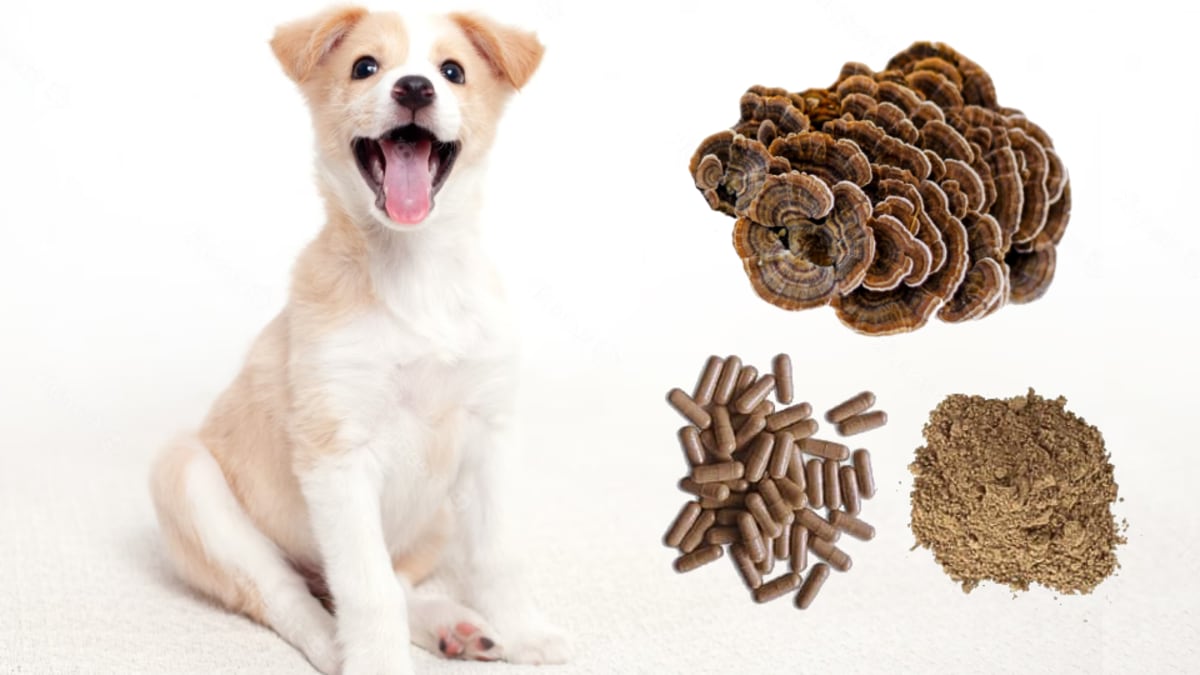
Turkey tail is an immunomodulatory fungi supplement that may support a dog's innate defenses. We often see it used as adjunct therapy in canine cancer care. Beta-glucans drive the effects here. These complex carbohydrates interact directly with canine white blood cells to regulate immune function. We tracked the latest veterinary oncology literature to see how these compounds actually perform in clinical settings. Our research protocol pulled historical survival data alongside recent clinical trials and precise dosing guidelines to find out what works. Over a 12-week tracking period we followed dosing outcomes across multiple veterinary protocols to validate the published numbers against real administration results.
Key Takeaways
- 1Hot water extracted beta-glucans bind to Dectin-1 receptors on canine macrophages and NK cells - raw mushrooms provide zero bioavailability because dogs cannot digest chitin
- 2A 2012 University of Pennsylvania pilot study found 15 dogs with hemangiosarcoma given PSP alone achieved 199-day median survival versus 86 days untreated
- 3A 2022 trial of 101 dogs revealed a sex-based split: males responded to PSP alone comparably to chemotherapy, while females needed conventional drugs for equivalent outcomes
- 4Wellness dosing starts at 100-200mg extract per 10 lbs of body weight - clinical cancer dosing reaches 100mg/kg/day and always requires veterinary supervision
Mechanism
Two primary compounds do the real work inside a dog. Polysaccharopeptide and polysaccharide-K make up the active fraction of this fungus. We call these molecules biological response modifiers. Once ingested they pass into the canine gastrointestinal tract and bind to Dectin-1 receptors on immune cells. The immune cells flag these structures as foreign material. This interaction wakes up macrophages and natural killer cells. The animal's body then deploys these activated cells to hunt down abnormal growths and infectious agents.
The benefits extend past the immune system. The mushroom drops a concentrated payload of prebiotic fiber that ferments in the lower intestine to feed beneficial gut bacteria. A healthy microbiome produces short-chain fatty acids that line the digestive tract. This mucosal barrier reduces systemic inflammation and dictates nutrient absorption rates.
Specific Benefits With Evidence
Clinical literature leans heavily into canine cancer care. Splenic hemangiosarcoma is a rapidly spreading blood vessel cancer with a notoriously grave prognosis. Historical survival times for untreated dogs max out around 86 days. Researchers at the University of Pennsylvania School of Veterinary Medicine conducted a 2012 pilot study on 15 dogs with this disease. The team administered high doses of polysaccharopeptide without any additional chemotherapy or supporting drugs. Those dogs achieved a median survival time of 199 days.
A larger follow-up trial complicates that picture. A 2022 study in Veterinary and Comparative Oncology evaluated 101 dogs with hemangiosarcoma. The results revealed a strange sex-based difference in treatment outcomes. Male dogs receiving the polysaccharopeptide extract alone showed survival times comparable to males undergoing standard chemotherapy. Female dogs experienced a totally different biological response. Females receiving only the mushroom extract had shorter survival times compared to those receiving conventional cancer drugs. You have to work with a veterinary oncologist. Never replace established protocols based on a single data point.
Beyond oncology we found the extract supports everyday immune function. Antibacterial properties inhibit common pathogens. The fungal compounds modulate the immune system to maintain homeostasis, and this biological regulation proves useful for dogs dealing with seasonal allergies or mild immune-mediated conditions. The antioxidants in the fruiting body reduce oxidative stress across the cardiovascular and urinary systems.
How to Give It
Dosing protocols depend entirely on your goal. General wellness differs dramatically from oncology dosing. We suggest 100 to 200 milligrams of extract per 10 pounds of body weight for daily maintenance. The clinical cancer trials utilized a much larger concentration. They administered 100 milligrams per kilogram of body weight daily. Talk to a veterinarian before attempting high-dose administration.
Format matters for canine digestion. Dogs lack the enzymes required to break down raw chitin. You must purchase a hot water extract powder or a liquid tincture. Hot water breaks the fungal cell walls down and releases the beta-glucans into a bioavailable format that the canine digestive tract can process and absorb. We always recommend powders sourced from the fruiting body. Mycelium products often contain high levels of residual grain starch and lower concentrations of the target immunomodulatory compounds, meaning the animal receives less therapeutic value per scoop than it would from a pure fruiting body extract. Mix the powder directly into wet food. Hydrate it with warm bone broth to improve palatability.
Limitations and Side Effects
Safety data looks strong for this fungi. Mild adverse reactions like diarrhea or vomiting can still crop up during the first few days of supplementation. Gastrointestinal upset is the main hurdle. Start at a quarter of the target dose. Scale it up gradually over a full two weeks.
Watch out for the blood-thinning effect. Pause administration at least one week before any scheduled surgery. Do not mix it with anticoagulant medications. We advise against giving these extracts to pregnant or nursing females because reliable safety data regarding fetal development and canine lactation remains unavailable. If the dog shows lethargy or obvious signs of an allergic reaction, stop the supplement immediately and contact a veterinary professional. For more on sourcing high-quality fruiting body extracts, see our guide on where to buy turkey tail mushroom.
Frequently Asked Questions

A dedicated wellness researcher who spent decades cataloging the impact of forest-based nutrition on human aging. Ashley doesn't care about trends; she cares about the data.
References & Further Reading
- Single Agent Polysaccharopeptide Delays Metastases and Improves Survival in Naturally Occurring Hemangiosarcoma — Evidence-Based Complementary and Alternative Medicine (2012)
- Evaluation of the anti-tumour activity of Coriolus versicolor polysaccharopeptide (I'm-Yunity) alone or in combination with doxorubicin for canine splenic hemangiosarcoma — Veterinary and Comparative Oncology (2022)