 Mushroom Health Hub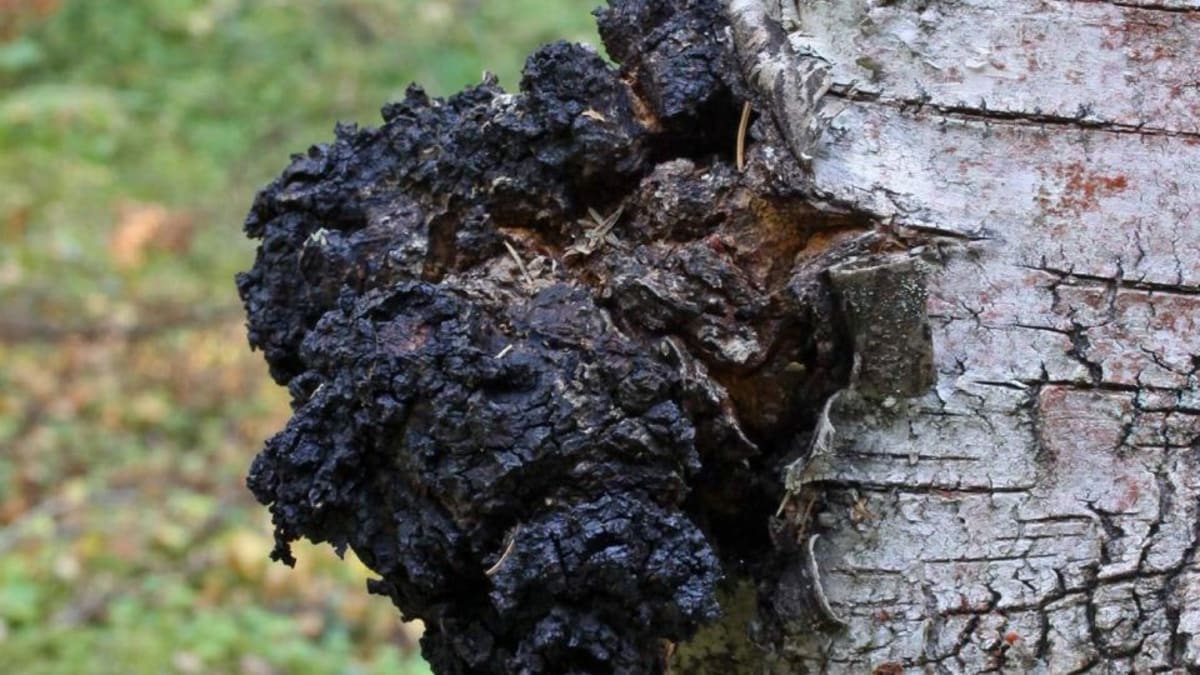
The two sides of chaga refer to its clinical utility and its mounting conservation crisis. Demand is soaring. Forests are paying the price. Inonotus obliquus operates as a slow-moving white rot fungus on birch trees in cold climates. We track both the cellular effects of this organism and the systemic forest damage that results from aggressive harvesting practices that strip away decades of natural fungal growth in a matter of seconds.
Key Takeaways
- 1A single wild chaga conk takes 10-80 years to fully mature on a birch tree, and removing it halts the entire reproductive cycle permanently
- 2A 2021 study found adding sea buckthorn press cake to liquid bioreactors increased mycelial yield by 122% within 250 hours
- 3Lab-grown cultivation produces high beta-glucan content but lacks betulinic acid since the organism needs a living birch host to synthesize it
- 4The outer black sclerotium holds dramatically higher triterpenoid concentrations than the inner golden flesh, making extraction method critical for therapeutic dosing
Deep Explanation
We look at this fungus through two very different lenses. One focuses on human biology. The other examines forest ecology. The commercial supplement industry constantly promotes the antioxidant capacity of this raw material. Harvesters respond by pulling wild conks off living trees across the northern hemisphere just to meet the surge in global demand.
A 2020 review published in Sydowia highlights the severity of the situation. Researchers noted that the search interest for this organism quadrupled over a ten-year period. Brands process the raw chunks into teas, tinctures, powders, and extracts. The biological resource simply cannot keep up. A single conk requires between ten and eighty years to fully mature on a host birch tree. Foragers often take the entire mass. They leave absolutely nothing behind. This guarantees the reproductive cycle stops permanently.
We observe that sustainable practices are exceptionally rare in this supply chain. Fungal conservation receives almost no funding. Most buyers just pick up a supplement without questioning the origin of the woody material inside the bottle. This lack of transparency hides a massive resource deficit, forcing us to evaluate whether the health outcomes justify the environmental cost of extracting a slow-growing wild pathogen from its native habitat before it even has a chance to reproduce.
Health Mechanisms and Research
A dense concentration of secondary metabolites is what drives the physiological effects here. The primary compounds include beta-glucans, betulinic acid, melanin, and ergosterol. These molecules interact with human cells to modulate inflammation and manage oxidative stress. Animal studies indicate that these extracts may support immune function.
A 2023 study published in the International Journal of Biological Sciences tracked the effects of an aqueous extract on muscle tissue. Researchers documented that the treatment alleviated chemically induced myotube atrophy in laboratory models. The extract appeared to upregulate muscle regeneration while augmenting overall physical function through enhanced oxidative metabolism. These findings suggest the fungus may help offset age-related declines in skeletal muscle mass, though human clinical trials remain necessary to confirm these pathways and establish standardized therapeutic dosing protocols for patients.
Other research focuses on metabolic regulation. A 2021 analysis of fungal polysaccharides demonstrated that these carbohydrates inhibit the enzyme alpha-glucosidase. This inhibition slows the absorption of sugar into the bloodstream in animal models. The cellular mechanisms are well documented. We see consistent data supporting the pharmacological potential of these compounds. They work. However, obtaining them requires destroying decades of fungal growth.
Forest Ecology and Population Decline
A basic misunderstanding of fungal anatomy sits at the core of this conservation crisis. Most buyers assume foragers harvest a standard fruiting body. This assumption is entirely incorrect. The dark mass visible on a birch trunk is actually a sterile conk. This conk consists of densely packed mycelium mixed with degraded wood tissue. It is a pre-sporulation structure.
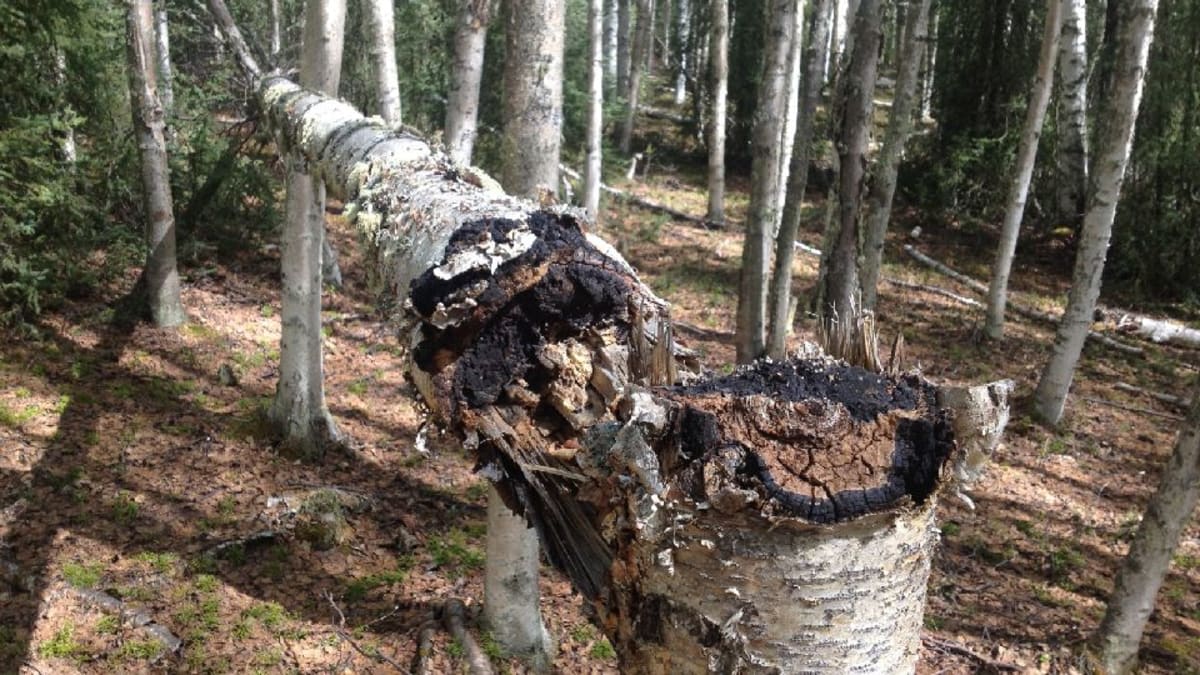
The true reproductive fruiting body only emerges after the host tree dies. A 2020 ecological assessment confirms that this sterile mass takes decades to develop before the tree finally succumbs to the white rot infection. When foragers hack the conk off a living tree they halt the entire reproductive cycle. The organism cannot release spores. Future generations are eliminated.
Wild populations are currently facing intense pressure across Canada, Russia, Finland, and the United States. Harvesters often lack basic biological training. They remove the fungal mass down to the sapwood. This aggressive extraction leaves the birch tree vulnerable to opportunistic infections from competing decay fungi, accelerating forest canopy decline. We strongly advise against purchasing wild-harvested material unless the supplier can mathematically prove their extraction quotas align with local forest regeneration rates, a standard that almost no commercial brand currently meets in today's unregulated supplement market.
The Economic Drivers of Depletion
High raw material prices deliberately incentivize unsustainable foraging across the supplement market. A single mature conk can yield hundreds of dollars internationally. This financial reward encourages untrained individuals to strip local forests bare. Rural communities often view this extraction as a reliable seasonal income source.
Supply chains remain entirely opaque. Brokers purchase raw chunks from independent foragers without verifying the harvest location or technique, and the raw material ships across international borders for processing. This fragmentation prevents regulators from tracking the true scale of regional population declines.
A 2020 conservation assessment suggests that without immediate industry regulation wild populations in accessible forests face localized extinction. The economic incentives heavily outweigh the conservation needs. Commercial demand increases steadily every year. Buyers must demand certified sustainable sourcing. Until consumers force supplement companies to mathematically prove their supply chains protect living trees, the financial mechanisms will continue to drive this slow-growing fungus toward irreversible regional depletion across the entire northern hemisphere.
Can Submerged Cultivation Solve the Crisis?
Laboratory cultivation presents a genuine alternative to wild harvesting. Mycologists can grow the organism in liquid bioreactors. This method produces immense volumes of mycelium in days rather than decades. A 2021 study in the Journal of Applied Microbiology tested various nutrient combinations to maximize growth. Researchers added sea buckthorn press cake to the liquid culture. This agricultural byproduct increased the mycelial yield by 122 percent within 250 hours.
These metrics highlight the efficiency of controlled indoor agriculture. Lab cultivation scales easily. It completely protects wild forest ecosystems. However, this method introduces a different biochemical challenge for manufacturers. The fungus requires a living birch host to synthesize betulinic acid. Liquid cultures lack this natural bark substrate.
Consequently, lab-grown mycelium produces high amounts of beta-glucans but contains virtually no betulin derivatives. Brands often add external compounds to bridge this gap, but purists argue the resulting product lacks the full chemical profile of the wild conk. We consider liquid cultivation a necessary compromise to prevent total population collapse, even if the pharmacological profile differs slightly from the naturally occurring sterile mass found deep within the boreal forest.
Affiliate Disclosure: Mushroom Health Hub earns commissions from qualifying purchases made through links on this page. This supports our lab testing and does not affect our recommendations. We only recommend supplements that pass our quality standards. Learn more
Types of Chaga Products
Shoppers will encounter four main formats on the market. Wild-harvested raw chunks are the most traditional preparation. Foragers chop the sterile conk into pieces for hot water brewing. Dual-extracted conk powders are highly concentrated alternatives. Manufacturers use both water and alcohol to isolate the water-soluble beta-glucans and the alcohol-soluble triterpenoids.
Liquid tinctures are a faster consumption method. These drops contain the same extracted compounds suspended in an alcohol base. Finally, lab-grown mycelium biomass products utilize indoor cultivation. Companies harvest the fungal tissue from grain or liquid broth before drying and grinding it into a fine powder.
Each format carries distinct advantages and environmental impacts. Raw chunks provide a traditional experience but drive the overharvesting crisis directly. Dual-extracted powders sourced from verified sustainable operations like Real Mushrooms chaga offer the best balance. Entry-level buyers frequently explore Amazon chaga powder. We urge anyone purchasing these products to verify the sustainable harvesting credentials of the brand first. These manufactured options deliver the highest standardized concentration of bioactive compounds, allowing patients to achieve clinical dosing targets without requiring them to manually process raw woody material in a slow cooker for an entire afternoon.
How Chaga Is Used
Dense layers of chitin surround the raw fungal tissue. This structural carbohydrate locks the beneficial compounds inside the cell walls. Human digestion cannot break down chitin. Humans must apply heat or alcohol to extract the active molecules.
Making a traditional decoction requires patience. Consumers simmer the raw chunks in water for at least four hours. This slow heating process pulls the water-soluble polysaccharides into the liquid. Alcohol extraction takes much longer. Manufacturers soak the material in high-proof ethanol for weeks to draw out the sterols and triterpenoids.
Most clinical research relies on dual-extracted powders because they contain both sets of active compounds. A standard maintenance dose ranges from 500 to 1,000 milligrams daily. Splitting this amount into two equal servings works best, with the first dose in the morning and the second dose in the early afternoon. The safety profile is generally favorable, but the high oxalate content demands caution from anyone with a history of kidney stones or impaired renal function, as excessive consumption of this particular fungus can rapidly accelerate calcium oxalate crystallization in the urinary tract.
Frequently Asked Questions
Gordon is a former high-tech researcher who traded his silicon chips for spores. With a background in molecular visualization, he spends his time mapping the intricate structures of medicinal fungi.
References & Further Reading
- Sydowia 2020 — Sydowia (2020)
- Journal of Applied Microbiology 2021 — Journal of Applied Microbiology (2021)
- International Journal of Biological Sciences 2023 — International Journal of Biological Sciences (2023)