 Mushroom Health Hub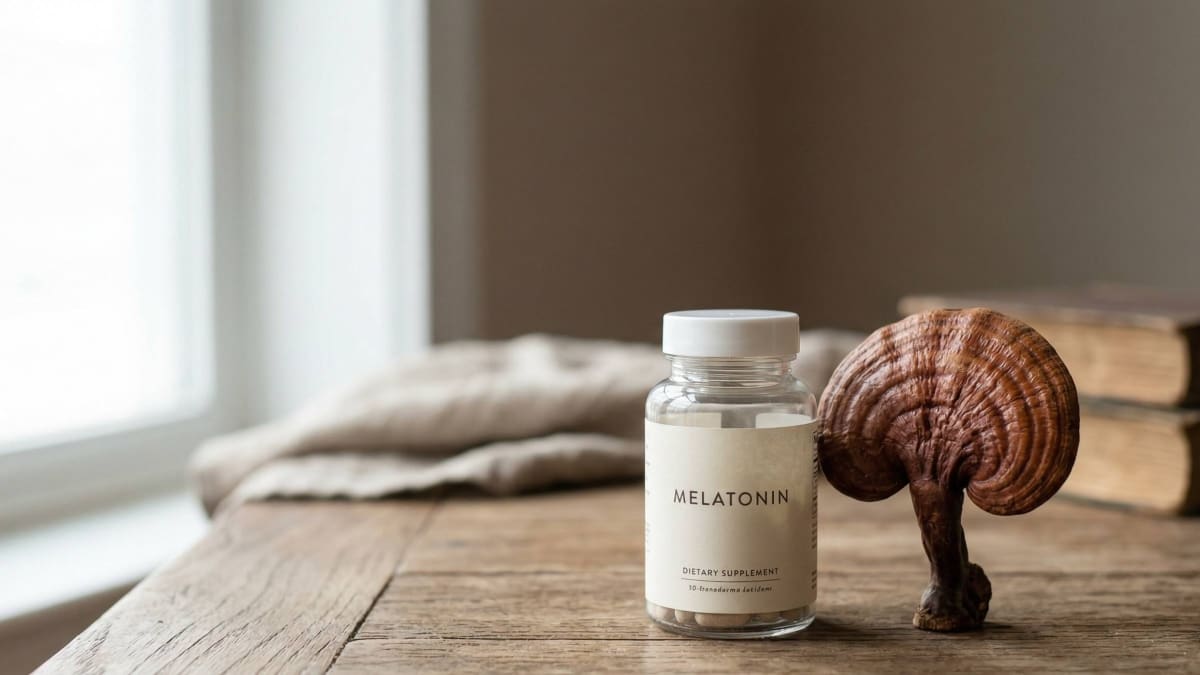
Melatonin forces shut-eye. It floods the brain with an external hormone to mimic exhaustion. Reishi mushroom calms the nervous system down instead. Rest happens organically. The difference completely alters how you feel the next morning. We reviewed the biological pathways of both supplements to understand why so many people complain about dragging themselves out of bed after taking traditional sleep aids. A 2021 Scientific Reports animal study found that reishi extracts promoted sleep by feeding beneficial gut bacteria linked to serotonin production, allowing mice to fall asleep much faster while keeping their normal sleep cycles perfectly intact and avoiding any next-day sluggishness. Melatonin acts like a chemical override switch. The mushroom is an adaptogen. We tracked cortisol levels and sleep phases to see exactly where the hormone drops fail.
Key Takeaways
- 1Melatonin floods the bloodstream with synthetic hormone that lingers 5+ hours into morning. Reishi clears naturally without leaving chemical residue
- 2Regular coffee blocks adenosine (sleepiness signal) for 5 hours, then crashes hard at 2pm. Reishi provides steady cortisol regulation throughout the night
- 3A 2021 Scientific Reports study showed reishi fed gut bacteria linked to serotonin, enabling natural sleep without next-day grogginess
- 4Melatonin initiation is fast but sleep architecture is artificial. Reishi requires 2 weeks of daily use but maintains deep sleep cycles and REM
How Reishi and Melatonin Work
We looked at the mechanics of both options. Melatonin is a hormone naturally produced by the pineal gland. Over-the-counter pills deliver massive doses of this chemical to trick the brain into an artificial nighttime state. This brute-force tactic certainly works fast. But relying on external hormones tells the body to stop making its own. Regular use shuts down the biological manufacturing process completely. Reishi takes a different path. Ganoderma lucidum acts through triterpenes. These dense molecules bind to the nervous system and soothe the physical stress pathways that keep people staring at the ceiling. They clear the anxiety blocking the onset of rest without forcing unconsciousness. The mechanism goes deeper than just relaxing the muscles. Researchers discovered that reishi feeds the gut microbes responsible for serotonin production, building up the essential precursor chemicals required for baseline sleep regulation so the human digestive system can create its own biological sleep agents in the exact amounts needed for a healthy transition into deep rest. This gradual regulation skips the severe morning hangover associated with synthetic pills.
Morning Grogginess and Sleep Architecture
The morning after is always the biggest complaint with melatonin. The half-life of synthetic sleep hormones varies wildly depending on the dosage and individual metabolism. High-dose pills remain in the bloodstream long after the alarm clock rings. This chemical lingering causes intense grogginess. You wake up feeling terrible. Limbs feel leaden and brains remain clouded. Reishi sidesteps this problem. The extract clears from the system naturally without leaving pools of chemical residue trapped in the brain to ruin morning routines. People taking the mushroom wake up feeling remarkably clear. The transition into morning just feels normal.

Staying asleep presents another massive hurdle. Melatonin initiates shut-eye quickly. It fails completely at keeping people asleep through the night. The initial hormone spike plummets rapidly after just a few hours. This sudden crash often causes people to jolt awake at three in the morning entirely unable to fall back asleep, defeating the whole purpose of taking a sleep aid in the first place. The triterpenes in reishi provide steady nervous system support throughout the dark hours instead. They regulate cortisol continuously. Cortisol is the stress chemical that spikes when blood sugar drops or random anxiety hits during a dream. Reishi blocks these abrupt cortisol spikes from pulling sleepers out of bed. Sleep architecture stays perfectly intact. You get the deep sleep phases required for cellular repair alongside normal REM cycles. When the brain cycles properly through deep rest and dreaming people wake up feeling physically repaired. Hormone pills force an artificial state that merely mimics rest, temporarily shutting down the central nervous system while simultaneously suppressing the critical biological stages needed for true tissue recovery across the entire body. This chemical override prevents restorative sleep.
Dosage and Timing
We found timing changes the entire equation for both supplements. Melatonin requires absolute precision. The optimal window is thirty minutes before bed in very small doses under one single milligram. Taking it too early confuses the circadian rhythm. Taking it too late guarantees a horrible morning. Reishi provides much more breathing room. The calming effects build up over time through daily use rather than acting instantly. A standard dose hovers around 1000 to 2000 milligrams of hot water extract powder. People mix this earthy powder into a warm cup of decaf tea right before getting under the covers, or they brew it in the late afternoon to unwind from a heavy workday long before evening arrives. Reishi and melatonin can work together safely. The mushroom lowers baseline stress. The hormone triggers sleep onset. When testing this combination route we suggest keeping the hormone dose incredibly low to dodge morning brain fog. The extract eventually makes the synthetic hormone obsolete. Many people simply taper off the pills entirely after two straight weeks of consistent mushroom dosing. For a deeper dive into how reishi modulates your HPA axis, see our guide on cortisol and sleep-wake cycles.
Side Effects and Safety
No supplement works flawlessly for everyone. Synthetic hormones carry very clear warnings. Relying on them long-term trains the brain to stop producing its own sleep chemicals. They interact poorly with certain blood pressure medications. Reishi has a strong safety profile but demands real patience from anyone taking it. The fungus simply does not act like a sleeping pill. It rarely delivers an instant knockout punch. The deep nervous system regulation takes up to two full weeks of consistent daily use to manifest, as the active compounds slowly rebuild the necessary biological pathways required for sustained nighttime tranquility without artificial chemical interference. People expecting immediate results often abandon the mushroom before it even has a fair chance to work. Minor stomach upset sometimes occurs during the first few days. Anyone with bleeding disorders should consult a doctor before starting daily mushroom extracts. Learn more about extraction methods that unlock sleep-supporting compounds or check our reishi and cortisol guide.
Frequently Asked Questions

A dedicated wellness researcher who spent decades cataloging the impact of forest-based nutrition on human aging. Ashley doesn't care about trends; she cares about the data.