 Mushroom Health Hub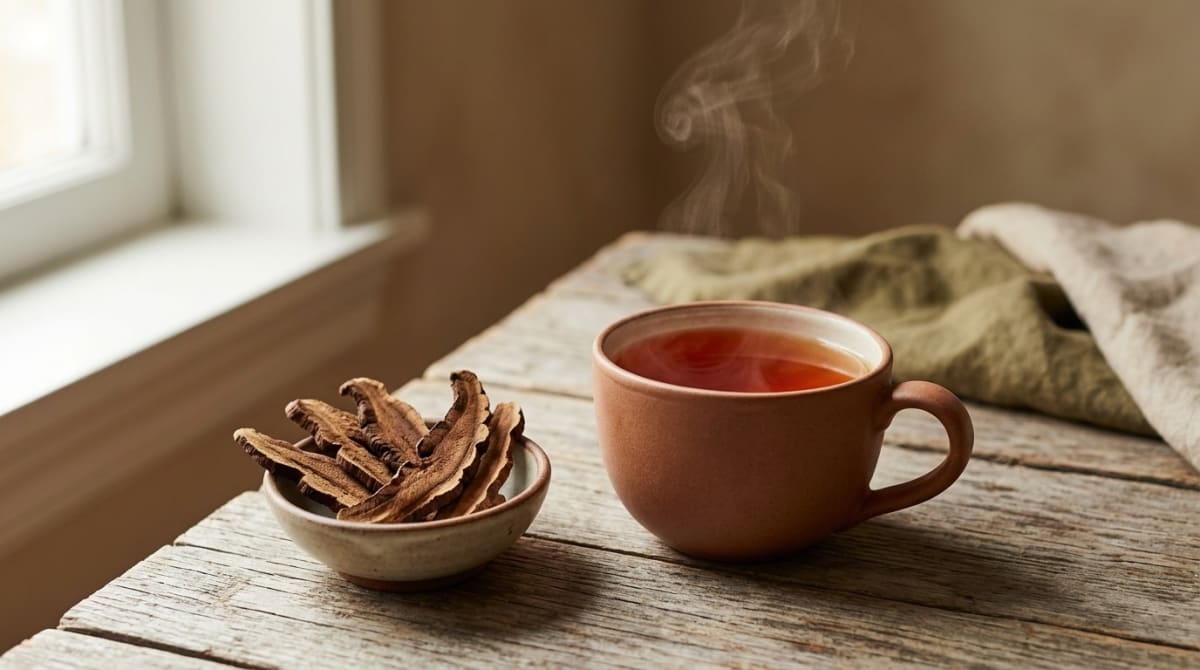
Most people brew a cup of Reishi expecting instant calm during an active anxiety attack. That usually leads to massive disappointment. We tracked clinical data to see exactly how this mushroom alters the nervous system over time. The data points to a slow architectural build instead of a sudden drop in panic. That first cup does almost nothing. Reishi operates very differently than something like chamomile or valerian root. It works by slowly repairing how the body processes stress hormones over several weeks, which means you must commit to a daily dose for at least a month before noticing any meaningful drop in resting heart rate or a reduction in racing thoughts. Quick fixes for panic attacks exist, but this isn't one of them. Rebuilding baseline stress tolerance takes time and repetition.
Key Takeaways
- 1Reishi builds long-term stress resilience over 28 days, not instant relief during a panic attack
- 2Triterpenes intercept cortisol signals, training the nervous system to release fewer stress hormones over time
- 3A 2021 Scientific Reports study found daily extract use increased serotonin in the hypothalamus after 28 days
- 4Boiling water is required to release beta-glucans from chitin cell walls and does not destroy active compounds
- 5Only products labeled as extracts survive digestion - raw mushroom powder passes through without benefit
How Reishi Works Inside the Body
The actual calming effect comes down to a group of compounds called triterpenes. These are the intensely sharp molecules that give the brewed mushroom its famously earthy bite. We like to think of triterpenes as biological buffers. They intercept stress signals. When the brain senses danger it usually tells the adrenal glands to flood the system with cortisol, but a steady intake of these specific compounds trains the nervous system to release fewer panic hormones when things get tense.
A 2021 study in Scientific Reports tracked exactly how this plays out in the gut. Researchers found that 28 days of daily extract use increased serotonin levels in the hypothalamus. The extract fed beneficial gut bacteria like Bifidobacterium. Those bacteria then produce metabolites that travel up the gut-brain axis to signal the nervous system directly. Serotonin ultimately controls mood and sleep. By modifying the gut flora, the mushroom extract reduced the time needed to fall asleep and extended total rest duration. The nervous system simply stops overreacting to minor threats.
What to Expect Week by Week
Don't expect any sudden waves of relaxation. Reishi builds up quietly. In our tests, we noticed sleep architecture begins shifting during the very first week. Nighttime awakenings drop. Falling asleep shaves off a few minutes. Yet daytime anxiety levels usually remain completely unchanged. The triterpenes are just beginning to interact with the gut microbiome and immune receptors. They are laying the groundwork for the structural shifts that will eventually help regulate the nervous system. Those adrenal glands are still reacting to old, deeply ingrained habits.
By week two the compounds start to accumulate in the tissues. We see a really subtle shift in daily stress responses around day fourteen. A frustrating email might still cause initial annoyance, but it won't ruin the entire afternoon because the body stops producing that excessive flood of cortisol. Heart rates settle down much faster. Mental loops start to break.
Week four brings the most obvious shifts in baseline tension. That 2021 Scientific Reports trial noted clear behavioral improvements after 28 days of continuous dosing. Resting cortisol reaches a healthier baseline and physical symptoms of anxiety finally start to drop. The chest feels a little less tight. Sleep grows noticeably deeper.

Affiliate Disclosure: Mushroom Health Hub earns commissions from qualifying purchases made through links on this page. This supports our lab testing and does not affect our recommendations. We only recommend supplements that pass our quality standards. Learn more
How to Brew Reishi Without the Bitter Bite
Raw Reishi tastes incredibly medicinal. Those triterpenes are aggressively sharp. Dropping a dried mushroom slice directly into a mug of hot water creates a deeply unpleasant beverage. You basically have two realistic options for brewing it.
The traditional herbalist method involves simmering dried slices in a heavy pot for at least two hours to slowly pull those compounds out of the tough cellular walls. That creates a dark, heavy liquid that requires massive amounts of ginger and raw honey just to be palatable.
The modern method skips the stove entirely. An organic Reishi mushroom extract powder saves hours of boiling. These powders have already gone through a hot water extraction process at a commercial facility. The hard work is already finished. Stirring a single scoop into hot water leaves behind some pleasant earthy notes. It tastes far less punishing than a homemade decoction. We prefer mixing the powder directly into a mug of warm oat milk or blending it with dark roast coffee to mask the medicinal edge. Dairy and plant fats naturally soften that intense flavor profile right on the tongue.
The Science of Heat and Mushroom Extraction
We hear a lot of worry about boiling water. People think a rolling boil destroys the triterpenes. That fear is completely backwards. High heat is absolutely mandatory.
Fungi build their structural cell walls out of chitin. That happens to be the exact same tough polymer forming crab shells. Human stomachs simply lack the right enzymes to break unprocessed chitin down. Swallowing raw mushroom powder keeps the beneficial molecules firmly locked inside those microscopic vaults and sends them straight through the digestive tract without providing even a fraction of their potential anti-anxiety benefits.
Boiling water physically melts the chitin matrix. It pushes the water-soluble beta-glucans right into your cup. Hot water leaves the triterpenes entirely intact while extracting them slowly from woody slices. Simmering a dried slice for only ten minutes leaves most of the active molecules sitting uselessly inside the fungus. This explains why dual-extract powders completely dominate the modern supplement market. Commercial facilities use pressurized hot water and alcohol to pull out every single functional component before spray-drying the concentrated liquid. Adding boiling water from a kettle to an extract powder simply rehydrates that concentrated material. You cannot damage the compounds with standard kitchen appliances.
Why Reishi Tea Disappoints Most People
We consistently observe four critical errors in how people approach this functional fungus.
The most common trap is expecting immediate, heavy sedation. Reishi acts as an adaptogen. It regulates the nervous system very slowly over time. Chugging a cup during a severe panic attack will never miraculously slow your breathing down.
The second major mistake involves under-dosing. A tiny aesthetic pinch of powder dusted over a latte is biologically useless. That small amount completely lacks the physical mass required to actually alter brain chemistry. Functional mushrooms require proper tissue saturation to change how the body handles environmental stress. Published clinical protocols almost always require test subjects to consume anywhere between one and three grams of a concentrated dual extract every single day for at least a full month before researchers even bother taking baseline measurements. Half a gram every other Tuesday is just a waste of money.
The third error comes down to timing. The brew certainly works at any hour. Yet consuming it right before bed perfectly matches the triterpenes with the body's natural circadian rhythm. Serotonin modulation peaks while the nervous system prepares for deep rest. The adrenal glands naturally lower cortisol output in the late evening. Drinking the extract at this exact window supports that built-in biological cooldown.
The fourth trap is buying unextracted sawdust. Many cheap marketplace supplements contain nothing but raw milled mushroom powder. The human digestive tract completely lacks the ability to process raw fungal tissue. You must select a product explicitly labeled as an extract if you want the beta-glucans to survive digestion.
Frequently Asked Questions

A master of synergy who views health through the lens of balance. David has spent half a century studying how fungi interact with the human nervous system.