 Mushroom Health Hub
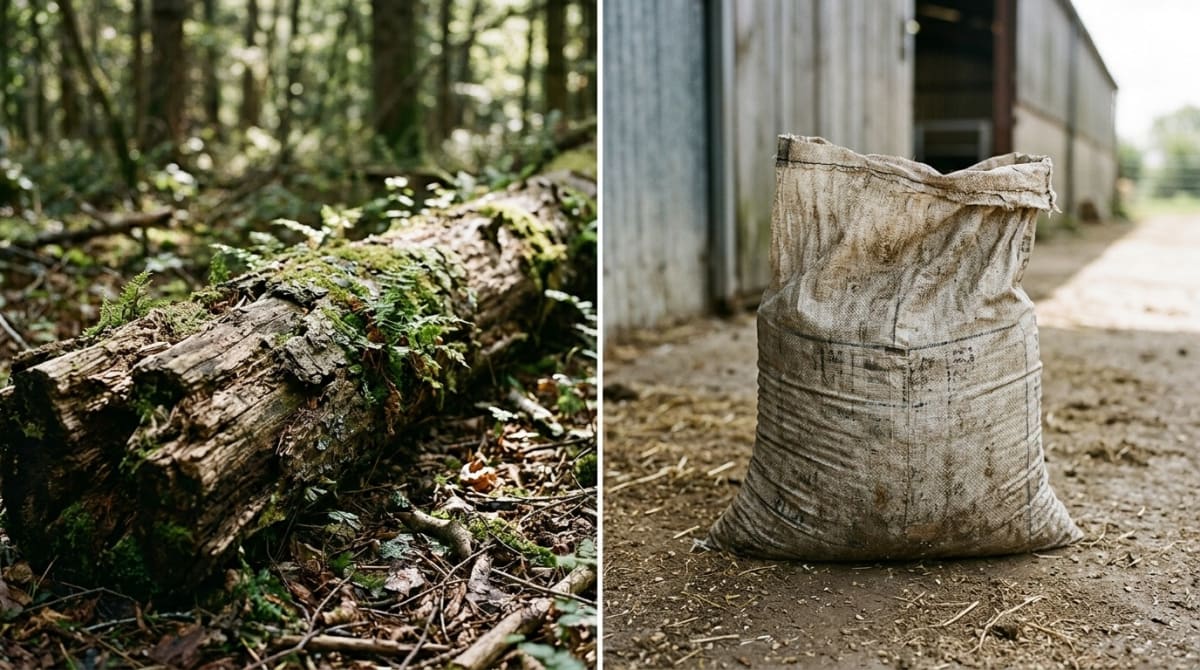
People assume mushroom supplements come from pristine forests. We looked at heavy metal and pesticide reports across forty commercial brands to see what actually lands in the bottle. The data paints a grim picture. Industrial farms routinely spray synthetic growth regulators and artificial pesticides to force faster harvests. Fungi absorb everything around them. If they grow on polluted agricultural scrap, those toxins pack tightly into the fruiting body, which is precisely why understanding the gap between factory farming and certified organic cultivation matters before you swallow another capsule. A 2021 study in the journal Molecules found high levels of cadmium and lead in several commercially harvested fungi. Organic cultivation stands as the only reliable shield against this bioaccumulation. We test every batch we formulate. Our lab work reveals severe molecular differences between certified organic and conventional extracts.
Key Takeaways
- 1Mushrooms absorb heavy metals and pesticide residues from their substrate, so what they grow on ends up in the supplement.
- 2A 2025 Foods study confirmed that plant growth regulators are routinely used in edible mushroom production.
- 3Certified organic cultivation requires clean substrate and tightly controlled growing conditions, with no synthetic fungicides.
- 4A certified organic seal plus an independent Certificate of Analysis for heavy metals and pesticides is the best purity check.
The Cultivation Divide Between Organic and Conventional Farms
Fungi aren't plants. They can't use photosynthesis to pull food from sunlight. Instead they have to digest whatever physical material they sit on to survive... we call this the substrate. Certified organic growers stick to natural foundations like native hardwood logs or clean sawdust mixed with organic grain. They sterilize the wood using pressurized steam. To prevent mold outbreaks, they rely on obsessive climate control rather than spraying toxic chemicals. Fungicides never touch the growing room, and the facility water must pass strict purity testing before a single drop is allowed to reach the developing fruiting bodies that will eventually become your extract. It mimics a forest floor.
Factory farming cuts corners to squeeze out more profit. These growers usually buy up discounted agricultural trash for their substrate. We're talking leftover cottonseed hulls or wheat straw carrying massive loads of field chemicals from last year's harvest. When competing molds show up, the farmers just blast the room with synthetic fungicides. A 2025 study in the journal Foods confirmed that plant growth regulators are routinely applied in edible mushroom production to artificially boost yields. Those chemicals seep straight into the bedding. The hungry mycelium then drinks them up. Organic farmers manage their spaces through careful observation and strict hygiene protocols, while conventional operations lean on cheap sprays that eventually make their way into someone's morning supplement stack.
Why Mushrooms Act Like Biological Sponges
You have to look at how fungi eat to grasp why the organic label matters. A mushroom is really just the visible fruit of a massive underground network called mycelium. This web secretes digestive enzymes into the surrounding soil or wood. Those enzymes break complex molecules down into simple nutrients. Then the mycelium pulls it all back inside. This feeding process is remarkably aggressive. Fungi do not filter their food. They suck up water and minerals right alongside heavy metals and factory pollutants. Biologists call this bioaccumulation. The organism drags scattered toxins from a wide area and packs them densely into a tiny fruiting body, which is exactly why ecologists plant specific mushrooms at chemical spill sites to soak up the poison and clean the earth through mycoremediation.
We track heavy metal accumulation closely in our own labs. Fungi have a strange structural affinity for toxic elements. The 2021 Molecules study analyzed selected fungi and found they easily store cadmium and lead when grown in contaminated environments. Cadmium creates a massive biological problem. It actually replaces essential minerals right inside the fungal cell walls. Drink a conventional extract grown on polluted farm waste, and you dump those concentrated metals straight into the gut.
Human organs struggle to clear heavy metals. They lodge in cellular tissues and stay there. Organic cultivation sidesteps this entirely by legally mandating unpolluted substrate. Independent auditors check that the dirt and water hold zero heavy metal trace, meaning the growing organism never even encounters these hazards during its life cycle. It only pulls in pure fuel to build active compounds like beta-glucans.
The Hidden Reality of Pesticides and Growth Regulators
Industrial mushroom farms live under constant pressure to push higher yields in less time. Fungi naturally fall victim to competing molds and bacterial infections. Let a green mold take root in a warehouse, and it will wipe out thousands of pounds of reishi in a matter of days. Commercial farmers fight back by drenching everything in synthetic fungicides. They drench the substrate blocks. They coat the plastic growing bags. They treat the irrigation lines. They even fog the air inside the fruiting chambers to kill off airborne spores. Chemical engineers design these sprays to murder competing molds while leaving the main cash crop standing, but the developing medicinal mushroom still drinks those residues directly into its cellular walls.
Synthetic growth regulators introduce a whole different set of risks. A 2025 study published in Foods highlighted the widespread use of chemical regulators in edible mushroom production across the global supply chain. Growers pump artificial hormones into the bedding to force faster fruiting. The researchers noted the long-term effects of consuming these residues require serious monitoring. Artificial growth hormones have no place in a daily wellness routine.
Look at the base material itself. Non-organic farms buy up spent agricultural waste. A 2016 review in Toxics examined how spent mushroom substrates interact with pesticides in the soil. If a facility buys leftover straw from a conventional wheat farm, that straw already holds pesticide residue from the original wheat harvest months ago. The new mushroom crop then sprouts on this doubly contaminated trash. It eats the old wheat chemicals. Then it eats the new fungal sprays.
Organic certification outlaws this completely. Certified growers manage their pest risks through intense hygiene protocols and precise airflow adjustments. If an organic batch catches a mold infection, the farmer just trashes it. They take the loss. Nobody sprays a failing crop with industrial poison just to save the harvest numbers.
Our Testing Protocol and What Third-Party Labs Reveal
Lab testing separates marketing fiction from biological reality. Plenty of conventional brands swear their products are pure, but we never take anyone at their word. Instead we run our organic extracts through independent third-party laboratories to map out exactly what sits inside the powder.
The testing process gets incredibly granular. Technicians use mass spectrometry to analyze the mushroom material at a molecular level. They shatter the chemical composition to hunt down trace amounts of heavy metals and hidden toxins that standard testing methods routinely miss. First we screen for heavy metals and biological contaminants. Then we measure the active beneficial compounds to confirm the actual medicinal weight of the extract.
What we see from conventional products is often alarming. When we pull mass spectrometry on non-organic competitors, we frequently catch dangerous spikes in heavy metal content. Cadmium shows up constantly. We also spot traces of carbendazim and other basic farm fungicides. A cheap conventional brand might technically pass basic regulatory safety limits for one isolated serving, but functional mushrooms are designed to be taken every single day for months or years, meaning those small amounts of lead and pesticide residue will quietly compound inside your tissues over time.
Certified organic products actually pass these tests. The official seal demands an unbroken chain of custody from the raw starting substrate all the way to the final extraction vat. Outside auditors independently verify and document every single step. Third-party lab results then deliver the final verdict. The organic seal shows the farmer followed the law. The lab certificate proves the powder is clean. Never hand money to a supplement brand that hides their mass spectrometry reports.
Affiliate Disclosure: Mushroom Health Hub earns commissions from qualifying purchases made through links on this page. This supports our lab testing and does not affect our recommendations. We only recommend supplements that pass our quality standards. Learn more
How to Choose a Clean Mushroom Supplement
Finding a clean supplement takes a bit of detective work. The supplement industry operates with very little oversight. Brands lean on slick marketing to cover up cheap sourcing. You have to know how to read the label.
Start by looking for the actual certified organic seal. This acts as a frontline defense against toxins. Don't fall for loose phrases like "organically grown" or "wild-harvested." Wild-harvested fungi sound incredibly romantic in a marketing brochure, but in reality they sprout wherever the spores happen to land, which frequently includes polluted highway ditches or patches of woods saturated by industrial run-off. A certified organic stamp guarantees a tightly controlled, unpolluted environment.
Next, look at the cultivation substrate. The best lions mane and reishi extracts explicitly state they grew on native hardwood logs or clean sawdust. You can find high-quality organic lions mane powder that verifies all these purity parameters before bottling. Skip anything grown on conventional grains or unnamed agricultural waste. The dirt dictates the medicine.
Extraction methods matter just as much, and we compare them in our guide to dual extraction versus hot water extraction. Fungal cell walls are built from chitin. It's the exact same armor that makes up crab shells. A human stomach can't digest it. Manufacturers must use hot water or alcohol to melt the chitin. This pulls out the active compounds. Certified organic extractors restrict themselves to filtered water and pure organic ethanol, completely skipping the harsh industrial solvents that budget brands rely on to cut processing costs.
Finally, demand absolute transparency. Pull up the company's website. Dig around for a Certificate of Analysis. It has to come from an independent laboratory, and it must show clear testing for heavy metals and pesticides. If you hit a dead link or an excuse instead of a lab report, close the tab and find a brand that publishes mass spectrometry results for every batch they sell.
Frequently Asked Questions

A dedicated wellness researcher who spent decades cataloging the impact of forest-based nutrition on human aging. Ashley doesn't care about trends; she cares about the data.
References & Further Reading
- Cadmium and Lead Content in Selected Fungi from Poland and Their Edible Safety Assessment. Molecules 2021 — Molecules (2021)
- Plant Growth Regulator Residues in Edible Mushrooms: Are They Hazardous? Foods 2025 — Foods (2025)
- Impact of Spent Mushroom Substrates on the Fate of Pesticides in Soil, and Their Use for Preventing and/or Controlling Soil and Water Contamination: A Review. Toxics 2016 — Toxics (2016)