 Mushroom Health Hub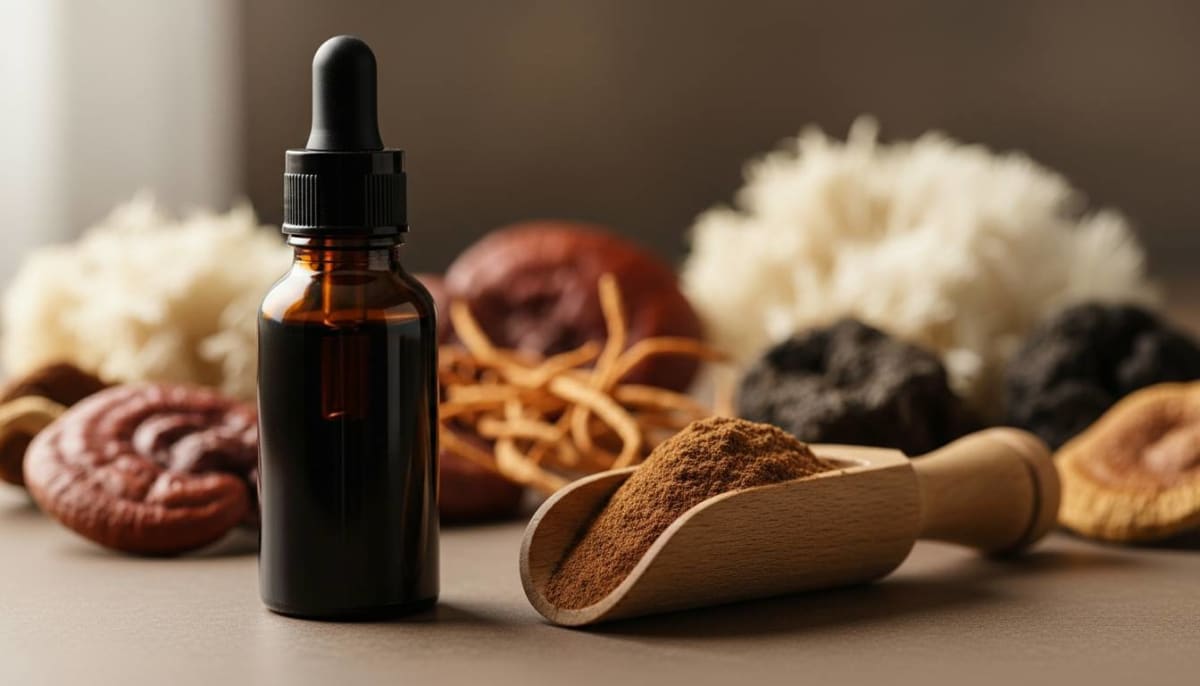
Liquid mushroom tinctures pitch themselves as fast-absorbing shortcuts. We tracked the extraction chemistry across the top species and hit a wall. The reality contradicts the marketing. High-alcohol liquid products strip away the immune-boosting polysaccharides because these dense carbohydrates cannot stay suspended in ethanol solutions. When we dig into the actual chemical behavior of functional fungi we find that the high-proof extraction method promoted for superior bioavailability actually scrubs out the therapeutic value of the final product. That expensive little dropper bottle might just be an overpriced shot of flavored water.
Key Takeaways
- 1Beta-glucans are strictly water-soluble and precipitate out of alcohol solutions — this is a known lab technique for deliberately removing them
- 2Tincture droppers physically cannot hold gram-level polysaccharide doses needed to match clinical trial quantities
- 3Alcohol tinctures do work for triterpene-rich species like reishi — just not for immune or cognitive mushrooms
- 4Top-tier extract powders run 20-30% beta-glucans by weight. Tinctures almost never print this number because it's embarrassingly low
The Beta-Glucan Precipitation Paradox
Mushroom supplements are supposed to deliver beta-glucans. These bulky polysaccharides train white blood cells to react faster to incoming threats. Tincture brands insist their liquids absorb faster, but we need to look at how beta-glucans actually behave around alcohol in a laboratory setting. They are strictly water-soluble. They hate ethanol. When researchers want to pull beta-glucans from a mushroom broth, they pour high-proof alcohol into the hot mixture to force a separation. The alcohol triggers precipitation. The compounds congeal into a solid mass and drop to the bottom of the beaker.
This is a fatal flaw for commercial liquid extracts. Whenever a producer formulates a dual-extracted tincture with high alcohol to extend shelf life, those beta-glucans drop out of solution and form a thick sludge at the floor of the mixing vat. Unless the bottle is full of visible sediment, the medicinal compounds are missing. A 2024 review in Polysaccharides confirms that combining a hot water boil with alcohol precipitation remains the standard laboratory protocol for deliberately stripping beta-glucans out of liquid so researchers can dry them into a solid. Tinctures try to bypass the gut, but this sublingual approach hits a hard wall of basic physics. A one-milliliter dropper cannot hold the gram-level doses of complex carbohydrates required to match the 3-gram daily doses used in published clinical trials.
Why Extract Powder Beats Raw Powder
Buyers constantly confuse raw mushroom dust with a true extract powder. Fungi build their cell walls out of chitin, the same indigestible material forming the hard shells of lobsters and crabs. Human stomachs lack the enzymes to break this down. Raw ground fungi pass through the digestive tract unabsorbed.
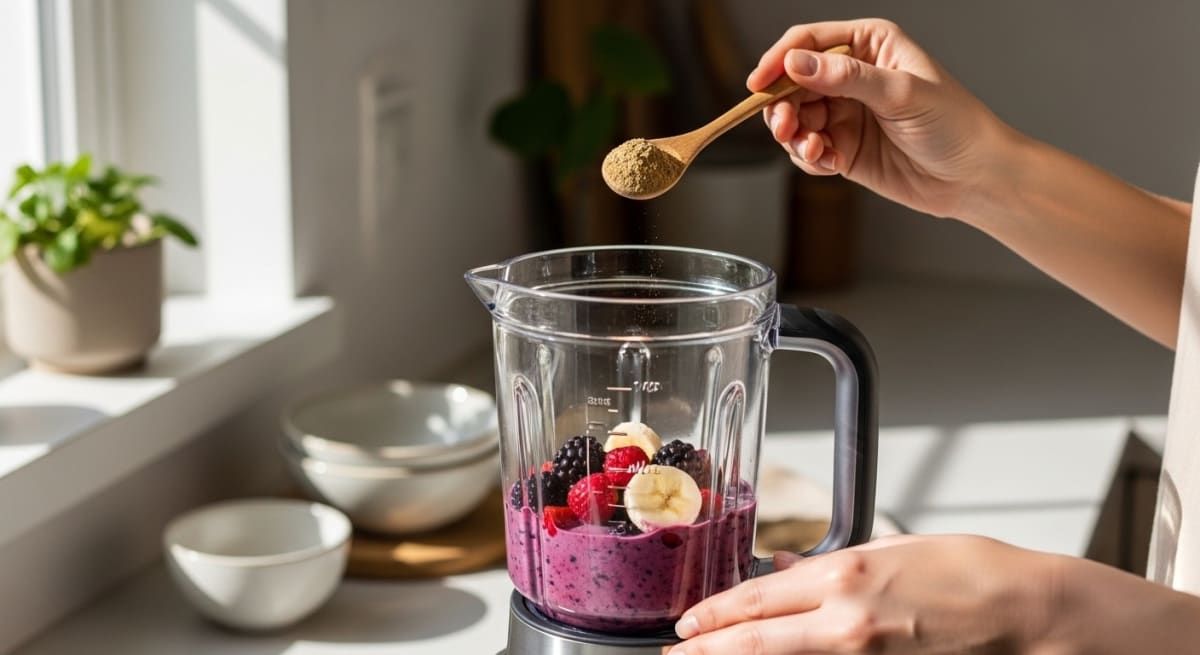
Hot water extract powders solve the chitin problem while keeping a massive dosage footprint. During commercial manufacturing, producers boil the raw mushrooms for hours to crack the cell walls open. This heat melts the chitin armor and bleeds the water-soluble beta-glucans directly into the broth before spray-drying it into a fine powder. The final result is a dehydrated liquid. It gives the bioavailability of a tincture without the rigid volume limitations of a tiny glass bottle. Two grams stirred into hot coffee dissolves fully in seconds.
Where Alcohol Tinctures Work Best
Alcohol extraction is not useless. It serves a different purpose. While beta-glucans demand a hot water soak to break free, functional fungi also contain fat-soluble triterpenes that latch easily onto ethanol. These compounds show up heavily in reishi and chaga. They may support liver health and sleep cycle regulation.
Triterpenes melt effortlessly in alcohol. Because tincture drops absorb through the mucous membranes in the mouth, they shuttle these molecules into the bloodstream in minutes. A liquid format makes perfect sense for fast-acting stress relief before bed.
The problem hits when brands apply the same manufacturing technique to cognitive mushrooms like lion's mane or immune defenders like turkey tail, because those species rely entirely on water-soluble polysaccharides to do their job. An alcohol bath ruins the active ingredients. Independent lab tests of commercial lion's mane tinctures frequently show zero detectable beta-glucans.
Affiliate Disclosure: Mushroom Health Hub earns commissions from qualifying purchases made through links on this page. This supports our lab testing and does not affect our recommendations. We only recommend supplements that pass our quality standards. Learn more
How to Choose the Right Supplement Format
Extract powder wins on overall value. It delivers both water-soluble and fat-soluble compounds, assuming the manufacturer uses a proper dual-extraction process before drying. We get pure fungal mass instead of expensive liquid filler.
Anyone hunting for a lion's mane extract powder should scrutinize the supplement facts panel. Demand a guaranteed beta-glucan percentage. Top-tier powders sit between 20 and 30 percent beta-glucans by weight, which delivers enough therapeutic mass to trigger a meaningful immune response when it hits the gut lining. Liquid tinctures almost never list this metric. Stir two grams into a hot beverage for best results. It tastes earthy and mild, and a standard dose delivers roughly 500 milligrams of beta-glucans directly into the digestive tract.
Frequently Asked Questions

A dedicated wellness researcher who spent decades cataloging the impact of forest-based nutrition on human aging. Ashley doesn't care about trends; she cares about the data.
References & Further Reading
- The Glucans Mushrooms: Molecules of Significant Biological and Medicinal Value. Polysaccharides 2024 — Polysaccharides (2024)