 Mushroom Health Hub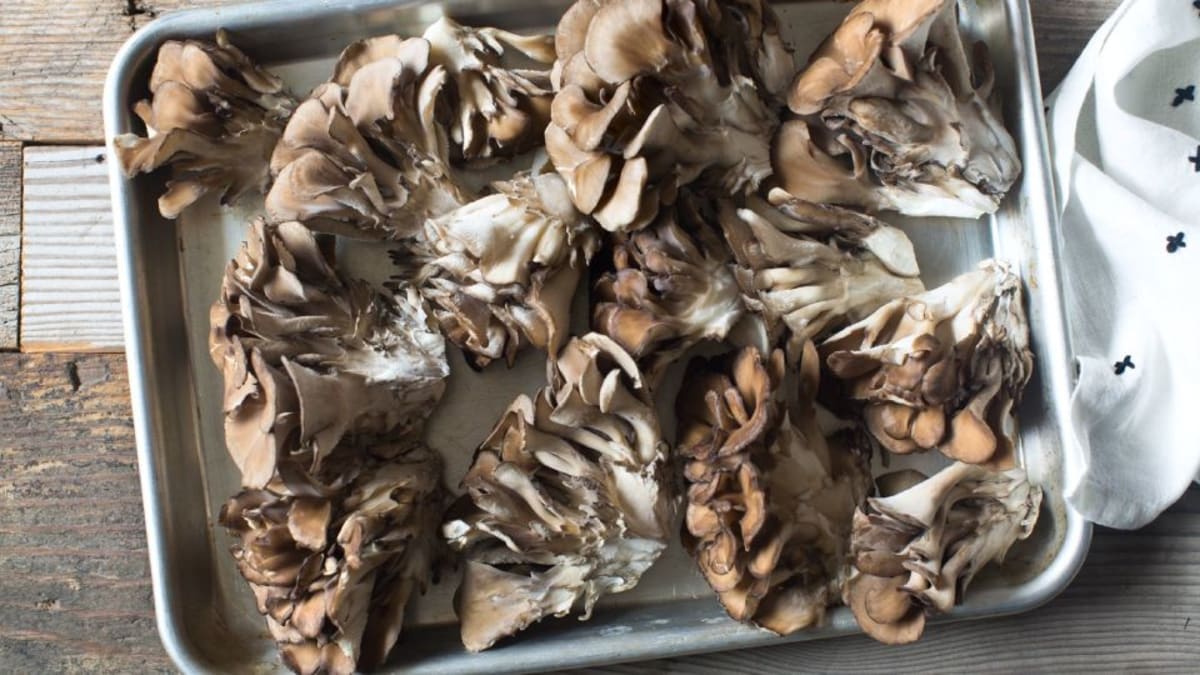
Key Takeaways
- 1Raw maitake delivers zero medicinal value because beta-glucans stay locked inside chitin cell walls that human stomachs cannot break down
- 2Wet cooking methods like broth-steaming and broth decoction extract the most polysaccharides. Dry heat primarily improves texture
- 3Keep oven temperature at 350F, not 400F. Higher heat destroys phenolic compounds before the dense inner stems ever cook through
- 4Never wash maitake under the tap. The porous flesh absorbs water like a sponge and will refuse to brown in the pan
The Science of Preparation
We have to look at cellular anatomy to understand how to handle these fungi in the kitchen. Eating raw maitake gives you zero medicinal value. Those beneficial beta-glucans stay trapped inside incredibly rigid cell walls. Human stomachs just cannot break down these dense biological structures on their own. Cooking actually steps in as an external digestive process. It forces the tough chitin to melt away and let the active molecules out. A 2024 review published in the Journal of Ethnopharmacology notes that applying 121 degrees Celsius during extraction alters the molecular weight of mushroom polysaccharides for maximum bioavailability. But getting that extraction right takes a careful balance of moisture and heat. We tested batches for weeks.
Blast them with too much oven heat and you just incinerate the therapeutic compounds. Go too easy on the flame and those cell walls stay locked up tight. By playing around with time, cooking fat, surface area and hydration levels we found we could transform a regular woodland mushroom into a finely tuned delivery system for immune-supporting compounds that the human digestive tract can actually process and absorb. Wet cooking methods gave us the deepest extraction. Dry heat really just improves the crunch.
What You Need
Let's keep the equipment list incredibly short. You need a heavy cast-iron skillet to hold steady heat during the sear. Any sudden temperature drops will ruin the extraction process. A sharp knife helps. Grab one to chop off the woody base block. Kitchen tongs make it much easier to flip the delicate fronds without crushing them. We like using avocado oil or standard sesame oil since they handle high heat without smoking out the kitchen. Keep some vegetable broth nearby to generate the steam needed to crack those chitin cell walls open.
Having the right tools stops the edges from burning to ash before the thick internal fibers get a chance to cook through. We threw out our non-stick pans years ago for this kind of work. Teflon just can't build the thick crust you need to trigger a proper Maillard reaction, while seasoned iron manages to push intense heat deep into every little irregular crevice of the mushroom cluster.
Step-by-Step Preparation Methods
Wet-Sear Method
Our kitchen tests showed this approach balances a crunchy bite with serious beta-glucan extraction. Adding a splash of liquid at the end basically mimics a laboratory hot-water extraction process.
- Tear the main mushroom body into medium-sized clusters with your hands. Please do not chop them. Tearing keeps the natural biological structure intact and stops the thin frilled edges from turning into a sad mushy paste once they hit the hot pan. A knife just crushes the porous pathways.
- Warm up a spoonful of avocado oil in a skillet over medium-high heat. Drop the clusters in flat. Leave them alone for two minutes. That sizzling oil immediately starts breaking down the rigid outer shell.
- Splash two tablespoons of vegetable broth straight into the hot pan. Steam instantly punches through the chitin. This releases the target polysaccharides safely. Hitting a blistering hot surface with chilled liquid forces an immediate phase change into vapor, and that sudden burst of steam forces the hardened cellular walls to expand and rupture, freeing the trapped therapeutic compounds into the pan without forcing you to stand over a simmering pot for hours.
- Carefully flip the pieces. Let them sear for one more minute until the liquid cooks off entirely. We like to toss the finished batch with some minced garlic and a quick dash of tamari. Pull the pan off the burner right away.
Temperature-Controlled Roasting
Most people blast mushrooms in the oven to get them crispy. We keep the dial set to a moderate temperature because aggressive heat obliterates the vulnerable phenolic compounds.
- Heat the oven to 350 degrees Fahrenheit. A lot of popular blogs tell you to roast well above 400 degrees. That intense heat degrades the beneficial molecules long before the dense center ever cooks through. Keeping the temperature low preserves the chemical integrity of the fungus.
- Toss the torn clusters with olive oil and a handful of chopped walnuts. Sprinkle on a heavy pinch of sea salt. Make sure to coat the pieces evenly but don't drown the porous flesh in fat. Too much oil leaves you with a greasy mess.
- Spread everything out flat on a parchment-lined baking sheet. Give the pieces some room to breathe. Crowded pans trap way too much moisture. When you pack chunky mushroom clusters tightly together on a metal tray, the evaporating water has nowhere to escape, meaning the whole batch ends up steaming in a puddle and failing to build a caramelized crust.
- Leave the tray in for exactly 20 minutes to crisp up the fronds. A 2023 study published in Frontiers in Pharmacology demonstrates that maintaining moderate temperatures during preparation protects the phenolic compounds from total thermal destruction while still breaking down the exterior fiber. The thick inner stems stay surprisingly tender.
Acid-Steeped Pickling
Vinegar acts as an amazing preservative while simultaneously chewing through the firm exterior. This cold-storage method creates a ready-to-eat side dish that lasts for weeks.
- Mix a cup of white wine vinegar and a cup of water in a small saucepan. Bring the whole thing up to a rolling boil. The acidic environment quickly softens the tough exterior fibers. The sudden pH drop alters the mushroom structure.
- Drop the torn chunks into the boiling liquid and immediately dial the burner down to a low simmer. Let the fungi steep for 10 minutes. Our tests showed this extracts polysaccharides efficiently without wrecking them. The boiling water temperatures stay low enough to protect the target molecules.
- Pull the pot off the stove. Stir in a heavy dash of salt and some whole black peppercorns. Drop in two dried bay leaves. Give the mixture plenty of time to cool all the way down to room temperature.
- Scoop the solids and the pickling brine into a clean glass jar. As the liquid slowly cools down, the acidic vinegar solution physically pushes its way deep inside the newly broken cell walls, meaning the mushroom essentially drinks up the preserving liquid to become a fully shelf-stable functional food ingredient. Chill the jar for 24 hours.
Italian-Style Deglazing
Alcohol works as a fantastic solvent for pulling out specific organic compounds. We use this approach to extract both the water-soluble and fat-soluble elements at the same time.
- Fry the torn pieces in olive oil for about three minutes. Keep cooking until they build a deep golden crust. Keep the burner on a medium setting. Flipping them often stops the edges from charring.
- Splash a quarter cup of dry white wine directly into the hot pan. The alcohol lifts all those sticky caramelized mushroom sugars right off the cast iron surface. This step captures every single beneficial compound that got left behind during the sear. That loud sizzle tells you the trapped steam is finally releasing.
- Let the liquid bubble away for two minutes until the volume drops by half. This step concentrates the savory flavors. It also finishes off the chitin breakdown process. All the raw alcohol burns away completely.
- Stir in a spoonful of butter and fold the cooked fungi into a bowl of fresh pasta. By whipping the seasoned pan drippings and the reduced acidic wine into a tight emulsion, we capture all the water-soluble nutrients and the complex fat-soluble compounds in one heavy sauce that thickly coats every single noodle on the plate. Eat it while it's hot.
Immersion Broth Decoction
Slowly simmering maitake in a liquid bath pulls out the maximum amount of beta-glucans. This mirrors how traditional herbalists have prepared medicinal teas for centuries.
- Put a heavy-bottomed pot over low heat. Pour in a tiny splash of sesame oil. Slowly warm up some minced ginger and sliced scallions. Make sure the aromatics don't take on any color.
- Toss the torn mushroom pieces into the fragrant oil. Push them around gently for just a minute. Pour in four cups of rich vegetable broth. Dumping the liquid in instantly stops the frying process.
- Crank the heat to bring the pot to a low rolling boil. Immediately drop it back down to a bare simmer. Slap a tight-fitting lid on the pot. Let the mixture steep for thirty minutes.
- Be careful pulling the lid off so the trapped steam doesn't burn you. Over the course of that extended low-temperature simmer, the tough cellular walls slowly dissolve directly into the surrounding liquid, leaving you with an infused medicinal broth that carries the extracted polysaccharides straight to the digestive tract. We love ladling the steaming soup over a bowl of cooked soba noodles.
Dry-Pan Blistering
We lean on this trick when we want maximum crunch without adding a ton of extra fat. Oil has a nasty habit of making porous mushrooms taste soggy.
- Put a bare cast-iron skillet over medium-high heat for five solid minutes. Do not pour in any oil or butter. You want the iron surface blazing hot. The bare metal literally shocks the moisture right out of the fungus.
- Push the torn clusters flat against the hot iron. Rest a heavy flat weight right on top of the mushrooms. That extra pressure forces the irregular fronds into full contact with the blistering pan. You should hear a loud continuous hiss.
- Leave the weighted pieces alone for three minutes. All that internal water escapes rapidly as steam. This stops the flesh from just boiling in its own puddle. Pick up the weight and peek at the underside to check for a dark brown crust.
- Flip the flattened clusters over and repeat the exact same pressing process for two more minutes. Because the intensely concentrated heat sears the exterior without introducing any external cooking fats, the natural sugars caramelize incredibly fast to form a stiff surface that easily withstands getting dunked in heavy sauces or thin broths later on. Toss the finished pieces with some coarse salt.
Common Mistakes
We see home cooks undercook these fungi all the time. Giving them a quick toss in a warm pan leaves the hardened chitin fully intact. Human stomachs just cannot break down raw mushroom fiber. The digestive system misses out on the beta-glucans.
Another huge error is crowding the cooking surface. Shoving too many pieces into one skillet kills the pan heat instantly. The mushrooms panic and release all their internal water at once. They end up boiling in a murky puddle instead of building a crust. When inexperienced cooks toss a giant mound of cold fridge mushrooms into a lukewarm pan, it guarantees a hopelessly soggy texture and stops the crucial Maillard reaction needed for complex flavor development. We avoid this by cooking in much smaller batches.
People also ruin maitake by washing it under the tap. The porous flesh acts exactly like a sponge. It drinks up the tap water in seconds. Waterlogged mushrooms turn horribly slimy in the pan and absolutely refuse to brown. We always brush the dirt off with a clean dry towel instead. If you really have to wash them, pat the fronds bone dry before they ever touch the heat. Using the wrong fat will also wreck the final dish. Butter burns way too fast for the initial sear. Wait until the very last minute to add any dairy.
Frequently Asked Questions

A dedicated wellness researcher who spent decades cataloging the impact of forest-based nutrition on human aging. Ashley doesn't care about trends; she cares about the data.
References & Further Reading
- Frontiers in Pharmacology 2023 — Frontiers in Pharmacology (2023)
- Journal of Ethnopharmacology 2024 — Journal of Ethnopharmacology (2024)