 Mushroom Health Hub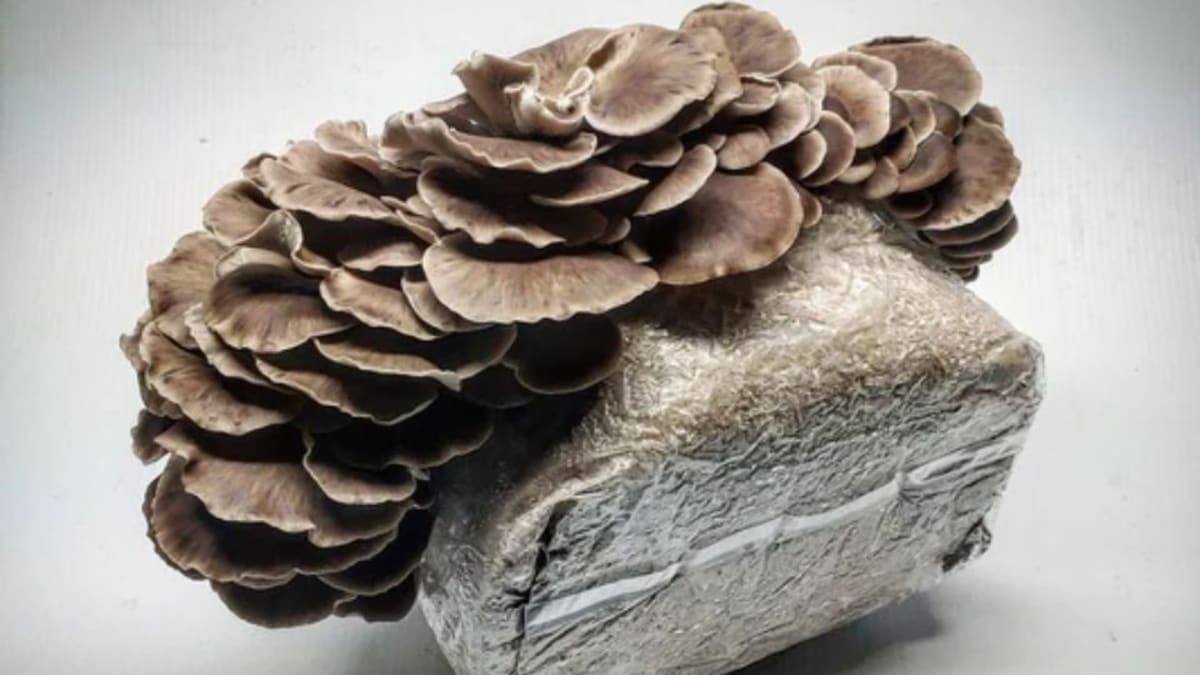
A commercial maitake growing kit is just a pre-colonized block of hardwood sawdust and mycelium that needs an exact cold shock and intense humidity to actually fruit. We tested dozens of retail blocks to map the true timeline from incubation to harvest. Maitake is notoriously stubborn indoors. It takes up to ten weeks just to eat through the substrate. Most beginner attempts fail simply because people treat them like easy-growing oyster mushrooms. We tracked the environmental triggers needed to force Grifola frondosa out of dormancy and compiled those metrics into a reproducible protocol that pushes biological efficiency to the limit while locking out contamination during the agonizingly long incubation phase. Patience is mandatory here.
Key Takeaways
- 1A 2018 AMB Express study recorded 89% biological efficiency on agricultural waste substrate versus roughly 30% on standard sawdust - always check for hardwood oak and coarse wheat bran on the ingredient list before buying
- 2Maitake takes 6-10 weeks to fully colonize its substrate - this is 3-4x longer than oyster mushrooms and leaves the block vulnerable to contamination for the entire incubation window
- 3The cold shock trigger is non-negotiable: without dropping to 55-60°F after colonization, maitake will not pin and instead forms hardened stroma that permanently blocks all future fruiting
- 4A 2025 MDPI study confirmed liquid culture inoculum outperforms grain spawn by promoting uniform mycelial distribution throughout the sawdust block, cutting contamination risk during the early colonization phase
The Science Behind Maitake Cultivation
Most consumer kits rely on hardwood sawdust mixed with wheat bran. That baseline formulation works fine for hobbyists. But alternative carbon sources drastically alter the final harvest weight. A 2018 agricultural study in the journal AMB Express analyzed the biological efficiency of Grifola frondosa grown on various farm waste products. The research team recorded an 89 percent biological efficiency when they replaced the standard sawdust base with a calibrated and sterilized mixture of corn cob, rice straw, coarse wheat bran, and calcium superphosphate. That agricultural waste matrix sped up colonization, forced a faster flush, and yielded a much denser cluster of mature caps. Biological efficiency measures the fresh mushroom weight divided by the dry substrate weight. Always check the ingredient list before buying a block. Look for hardwood oak and coarse wheat bran. Steer clear of anything utilizing coffee grounds. Unsterilized coffee waste contaminates instantly during the long incubation window because airborne green mold will easily outcompete the maitake mycelium before it even establishes a foothold. Lignin-rich hardwoods give the organism the complex carbs it needs to survive. Wheat bran supplies the nitrogen. Together they create a stable food source that sustains the organism through a brutal two-month incubation. Without it most retail kits stall out at a mere 30 percent efficiency rate.
Evaluating Grow Kit Spawn Quality
Your initial spawn quality dictates the entire trajectory of the grow. Commercial laboratories inoculate these blocks using either grain spawn or liquid culture. We always source kits inoculated with liquid culture because the suspended mycelium spreads evenly throughout the sawdust matrix and immediately begins digesting the wood. A 2025 study in MDPI Journal of Fungi analyzed liquid inoculum parameters for white Grifola frondosa strains. The researchers achieved maximum biomass yields using a glucose and yeast extract broth, demonstrating that liquid spawn reduces the early incubation timeline and maintains cellular health throughout the fruiting phase. Grain spawn just pools in one corner of the bag. That uneven distribution forces the organism to travel greater physical distances to reach fresh sawdust. Delays like that invite contamination. Competitor molds aggressively take over any uncolonized real estate.
You can usually spot the spawn type the second you unbox the product. Premium blocks show a uniform white webbing across the full surface. Substandard blocks display patchy isolated circles of growth surrounded by dark brown wood. Reject any kit arriving with green or pink spots visible through the plastic. Pink mold means a fatal bacterial infection has taken hold. Throw it in the trash.
What You Need for Indoor Fruiting
Getting a successful indoor harvest requires a few environmental control tools. The retail kit is really just the foundation. We advise assembling four basic items before even slicing open the bag. You need a programmable temperature controller, a digital hygrometer, a fine-mist spray bottle, and a clean plastic fruiting tent. Pick up some 70 percent isopropyl alcohol to sterilize your scissors before the final cut. Maitake is highly sensitive to carbon dioxide pooling. A cheap computer fan maintains enough internal airflow inside the chamber to prevent the developing caps from mutating. You do not need expensive laboratory gear for this. Basic household equipment works perfectly well.
We track moisture levels daily to prevent the block from turning into a brick, and we use the hygrometer to confirm the air holds at least 85 percent humidity at all times during that fragile primordia development phase. The tent traps the moisture while the fan pulls the stale air out. Do not try to fruit the block on a bare kitchen counter. Ambient home humidity hovers around 40 percent. That dry indoor air will instantly dehydrate the exposed mycelium and permanently stall the growth cycle before pins even form.
Step-By-Step Cultivation Protocol
Start the incubation phase by keeping the sealed block in a dark room between 68 and 75 degrees Fahrenheit. The mycelium needs anywhere from six to ten weeks to fully digest the hardwood sawdust. That is a massive colonization window compared to fast-growing oyster strains. Do not open the plastic. Wait until the entire block turns solid white and small dark bumps start pushing against the bag.
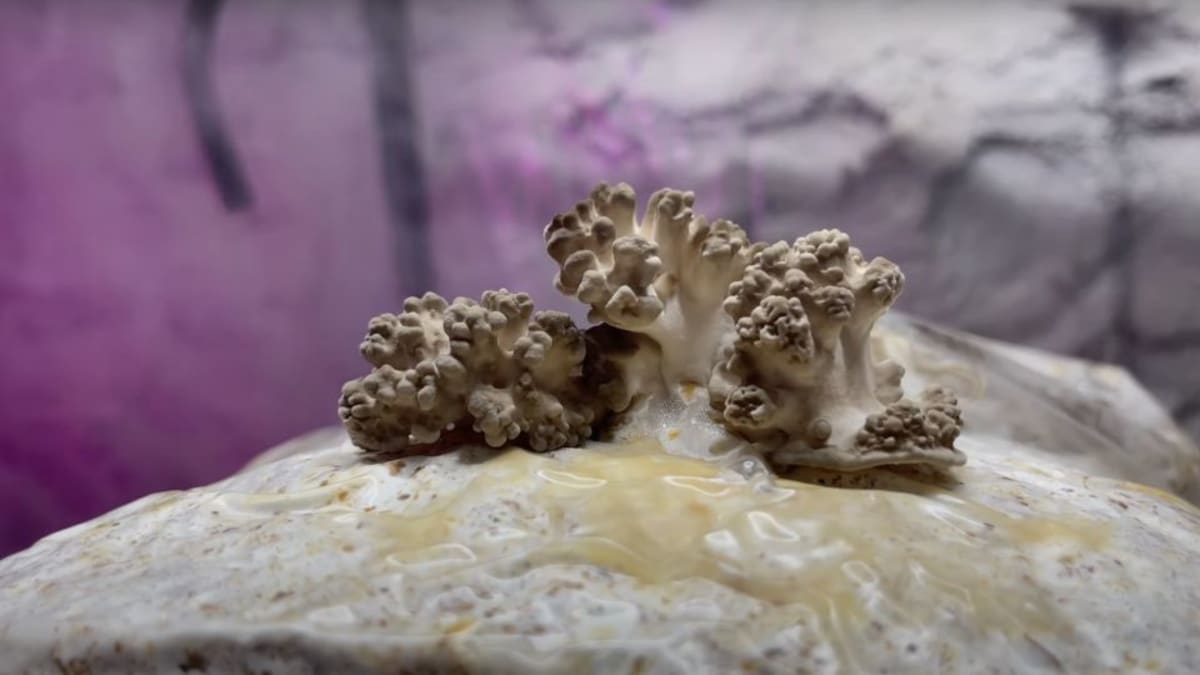
Once colonized you have to apply a cold shock trigger. Move the block to a cooler environment holding steady between 55 and 60 degrees Fahrenheit. Cut a five-inch slit across the top of the plastic to introduce fresh oxygen. That sudden temperature drop combined with the oxygen flood signals the dormant fungi to start producing primordia.
High humidity comes next. Mist the inside of the humidity tent twice daily with clean water to keep the air saturation between 85 and 95 percent. We always aim the spray bottle straight at the interior plastic walls of the containment tent rather than the block itself, allowing the evaporating liquid to generate a stable and saturated microclimate that consistently supports healthy cap expansion without drowning the delicate cellular structures. Do not spray the caps directly. They will rot.
Finally you need to provide adequate lighting. Fungi do not photosynthesize. They still require twelve hours of indirect lighting daily to form proper anatomical structures. A cheap LED reading lamp works flawlessly for this growth phase. Without light the developing fronds will stretch into long spindly stalks and permanently deform.
Contamination Prevention Protocols
Cultivating maitake demands borderline obsessive hygiene. That prolonged incubation phase leaves the substrate incredibly vulnerable to invasive competitors. Trichoderma is a fast-growing green mold that acts as the most common adversary here. We mitigate the risk by wiping down all cultivation surfaces with isopropyl alcohol before even touching the kit. Never press your bare fingers against the filter patch on the plastic bag. The porous material allows air exchange while blocking microscopic spores from entering. Dirt from unwashed hands rubs right into those filter pores, destroying the protective barrier and allowing floating mold spores to infiltrate the damp wood matrix before the mycelium establishes total dominance over the substrate.
Always boil your misting water and let it cool completely before spraying. Tap water carries trace municipal bacteria that flourish inside a warm and humid fruiting tent. We wash the interior of our humidity tents weekly with a diluted bleach solution to wipe out lingering airborne spores. The block actually possesses its own primitive immune system once it reaches full colonization. A solid white block actively secretes antimicrobial enzymes to defend its territory. Uncolonized brown sawdust remains completely defenseless. Do not cut the plastic bag open until the white mycelial mat covers every single inch of the exposed wood. Wait for full coverage. Opening the bag prematurely invites mold spores to settle right on the unprotected substrate. Expect total crop failure if you rush this step.
Common Mistakes When Fruiting Maitake
The biggest mistake usually happens right during the transition from incubation to fruiting. Growers expose the block to fresh air without dropping the ambient temperature. Maitake simply will not form pins at room temperature. The block just keeps producing thick vegetative mycelial mats that eventually harden into a rigid crust known as stroma. Stroma permanently blocks all future mushroom development. Temperature control is the absolute most critical variable here.
Another frequent failure comes down to inadequate fresh air exchange. High humidity is mandatory but stagnant wet air suffocates the growing tissue. Carbon dioxide pools at the bottom of the fruiting tent because the gas weighs more than oxygen. The developing mushrooms sense that toxic buildup and immediately abort their growth. The stems elongate wildly while the caps remain tiny and stunted. That spindly look always indicates oxygen starvation. Running a cheap computer fan on low resolves the issue entirely. We position the fan to blow across the top exhaust vents of the tent, which creates a gentle vacuum that pulls fresh oxygen through the lower intake holes without blowing dry air straight onto the sensitive fruiting bodies. Do not overwater the sawdust. Pooling water quickly drowns the root network.
Harvesting and Maximizing the Second Flush
Maitake clusters mature rapidly once those primordia expand into visible fronds. Harvest the mushrooms right when the outer edges of the caps start curling upward and turning a shade darker. Do not wait for the caps to flatten out entirely. Overripe maitake gets tough and woody and drops millions of white spores that coat the inside of the fruiting chamber in a thick powder. We always harvest the entire cluster at once. Grasp the dense base of the mushroom near the sawdust block. Twist it gently and pull the cluster away from the wood. Use a sterilized knife to carve away any stubborn chunks.
The block still holds plenty of nutrients after that initial harvest. We prep the kit for a second flush by carefully scraping off any dead tissue left on the surface. Submerge the naked sawdust block in cold filtered water for twelve hours. This intense soaking process replenishes the massive moisture deficit within the depleted wood matrix while simultaneously delivering the thermal shock needed to force the exhausted mycelium into a second round of pinning. Drain away the excess water. Return the block to the fruiting tent and resume the original daily misting protocol. You will get fewer mushrooms on the second flush but the quality remains identical. Toss the spent block into an outdoor compost bin after the second harvest wraps up.
Frequently Asked Questions

A dedicated wellness researcher who spent decades cataloging the impact of forest-based nutrition on human aging. Ashley doesn't care about trends; she cares about the data.
References & Further Reading
- AMB Express 2018 — AMB Express (2018)
- MDPI Journal of Fungi 2025 — MDPI Journal of Fungi (2025)