 Mushroom Health Hub
Menopause hits hard. Brain fog, unexpected irritability, physical exhaustion and broken sleep turn into daily hurdles. Many of us look for natural relief. We dug into the clinical data to see if lion's mane mushroom actually holds up under scrutiny. The evidence points to yes. A 2010 trial tracked clear drops in anxiety and frustration after just four weeks of steady dosing. We pulled apart the study design and the physiological markers monitored by the research team to understand why. Because the active compounds go straight for brain health and stress responses, study participants reported feeling a tangible shift in their mental clarity and mood stability by the time they finished the full 30-day protocol.
Key Takeaways
- 1A 2010 double-blind, placebo-controlled trial found 1.5 grams of lion's mane daily significantly reduced anxiety, brain fog, and irritability in menopausal women after four weeks
- 2Lion's mane works through NGF stimulation and HPA axis regulation, not by replacing estrogen
- 3Physical menopause symptoms like hot flashes and night sweats were unaffected - only psychological and cognitive markers improved
- 4To replicate study results, choose a pure fruiting body extract with hot water extraction and confirmed beta-glucan content on the label
The 2010 Clinical Trial Setup
Thirty women enrolled in the 2010 Japanese study testing lion's mane for menopause complaints. The research team wanted to know if eating this fungus could actually dial back the persistent, frustrating symptoms tied to mid-life hormonal shifts. They built a double-blind, placebo-controlled trial. The group split in two. Half received cookies baked with lion's mane powder, while the rest ate lookalike placebos.
Dosage was strictly controlled. Each active cookie packed a precise half-gram of fruiting body extract powder. The women ate three a day, hitting a total intake of 1.5 grams. The trial ran for a strict four weeks. During that window researchers tracked subjective feelings using established psychological surveys, leaning on the Kupperman Menopausal Index to score physical complaints and the Center for Epidemiologic Studies Depression Scale to gauge psychological wellbeing.
Participants averaged 41 years old. They brought a range of indefinite complaints to the table, spanning from terrible sleep to sudden bursts of anger. Because neither the women nor the doctors knew who got the real mushroom cookies until the month ended, the study design naturally filtered out the placebo effect. This forced the supplement to prove its actual physiological weight. Before this paper dropped most research lived entirely in animal models. Lab mice grew new nerves. Human data just didn't exist yet. This 2010 trial finally bridged that gap by focusing on women pushing through a brutally difficult biological transition, giving us the first solid evidence that animal-tested neurological perks might actually carry over to human mood regulation.
Measured Improvements in Mood and Anxiety
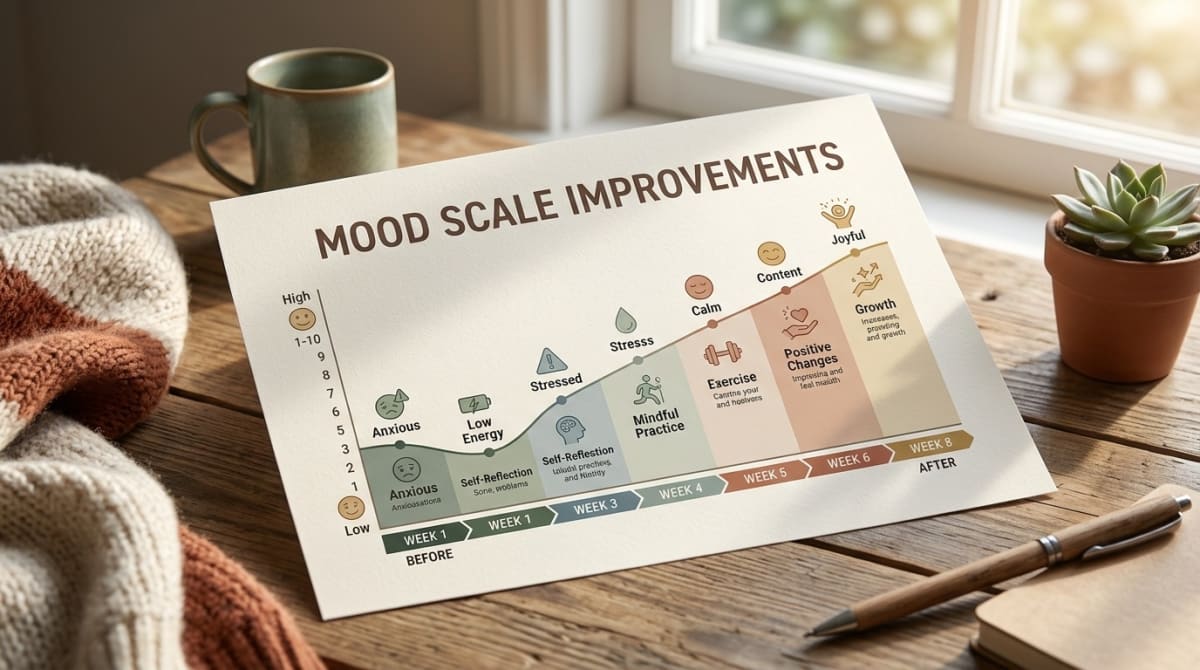
So what actually happened after a month of eating mushroom cookies? The active group logged documented improvements across multiple mood markers. Anxiety took the biggest hit. Feelings of tension and apprehension dropped sharply.
We looked closely at the concentration data. Brain fog is notoriously stubborn during menopause. The women taking the 1.5-gram daily dose found it much easier to lock onto normal tasks. Their scores for poor concentration improved far more than the placebo group. Irritability followed a similar downward slide. The timeline here matters too - these cognitive shifts don't happen overnight, and the four-week duration in this trial reflects the minimum window needed for NGF accumulation. Those sharp, sudden spikes of anger became less frequent and lost a lot of their intensity.
Then we have the depression scale results. The Center for Epidemiologic Studies Depression Scale measures feelings of hopelessness and fatigue, and the lion's mane group saw those scores shrink by the end of the month. These women felt lighter. They felt more capable of handling everyday stressors. The placebo group missed out on these cognitive benefits entirely, which links the changes straight back to the mushroom extract.
Sleep quality also moved in the right direction. When anxiety drops, sleep naturally follows suit. Participants reported falling asleep faster and actually waking up feeling rested, and since better sleep directly fuels better mood regulation the next day, this creates a compounding positive effect. The data clearly showed that a relatively low dose of this fungus can interrupt the cycle of stress and exhaustion plaguing so many women during mid-life transitions. It offers a gentle biological reset without relying on harsh pharmaceuticals.
But researchers noted that the physical symptoms of menopause stuck around. Hot flashes didn't vanish. Night sweats kept happening at similar rates. The supplement changed how the central nervous system processed the stress of those bodily symptoms without altering the estrogen fluctuations themselves.
How Biological Mechanisms Support These Effects
We need to unpack the science driving these mood shifts. Lion's mane contains zero plant estrogens. It won't replace the hormones the body stops making. The benefits stem entirely from how it interacts with the brain and the central nervous system.
This mushroom packs two unique groups of compounds called hericenones and erinacines. These molecules are incredibly small. They easily slip past the blood-brain barrier. Once inside they kickstart the production of Nerve Growth Factor. NGF is a specialized protein that keeps neurons healthy and helps them fire efficiently. During menopause fluctuating hormones can heavily disrupt these neural pathways. That drop in estrogen often tanks neuroplasticity. When the brain struggles to adapt to incoming stress, lion's mane steps in to encourage the neural network to repair itself and build entirely new connections to handle the load.
This neural support directly influences the Hypothalamic-Pituitary-Adrenal axis. Think of the HPA axis as the central command station for the human stress response. When anxiety hits, it floods the system with cortisol. Menopause often leaves this system jammed in overdrive. The mushroom helps regulate this stress pathway by acting a lot like a master volume knob, smoothly turning down the blaring intensity of those panic signals before they can completely overwhelm the nervous system. This explains why the women in the study felt less irritable. The biological triggers for their anger were being calmed right at the cellular level.
Another proposed mechanism ties into systemic inflammation. Hormonal shifts can trigger low-grade inflammation throughout the entire body. That inflammation frequently shows up as brain fog and deep fatigue. The active compounds in the fungi carry strong anti-inflammatory properties that help sweep inflammatory debris out of neural pathways. This cleanup allows the cognitive centers of the brain to operate with much greater clarity and raw processing speed.
Evaluating Quality and Extraction Methods
The 2010 clinical trial used powdered fruiting bodies. This detail matters. If you want to replicate the results, you need the right part of the mushroom. The fruiting body is the visible cap and stem. Many commercial supplements swap this out for mycelium instead. Mycelium is just the root system. When companies harvest those roots they inevitably grind up the oats or rice substrate they grew on, which severely dilutes the final batch with starchy fillers that bring absolutely zero neurological benefits to the table.
To match the research you need a pure fruiting body extract. Human stomachs can't break down raw mushroom cell walls. Fungi build their structural armor from chitin. That's the very same material found in crab shells. The extraction process has to use hot water. Heat melts the chitin away. This unlocks the beneficial hericenones and beta-glucans so the digestive system can actually absorb them into the bloodstream.
Check the supplement facts panel closely. The label should explicitly state the product comes from the fruiting body. For focus-oriented use cases, the optimal daily dose sits in a slightly different range, but for mood and anxiety support during menopause the 1.5-gram target from this trial holds up well. It should also list the exact percentage of beta-glucans. If a brand hides their extraction methods or flat-out refuses to print the beta-glucan content on the back of the bottle, we highly suggest putting it down and finding a completely different product. Checking the label remains the only way to confirm you're buying a biologically active supplement.
Affiliate Disclosure: Mushroom Health Hub earns commissions from qualifying purchases made through links on this page. This supports our lab testing and does not affect our recommendations. We only recommend supplements that pass our quality standards. Learn more
How to Take It, Dosage and Daily Protocols
The study sets a very clear baseline for dosage. Participants consumed 1.5 grams of powder a day. They split this into three separate half-gram servings. You don't need to bake mushroom cookies to pull this off. A high-quality extract powder is far more efficient and much easier to fold into a daily routine. We've tested both capsule and loose powder formats extensively - here's a breakdown of which dosage format performs best if you want to dig into the absorption differences.
We like mixing the powder straight into morning coffee. The earthy flavor meshes perfectly with roasted beans or dark chocolate, completely masking any raw mushroom taste. Capsules work fine too. Just check the capsule weight to ensure you actually hit the target dosage.
The neural benefits take time to accumulate. The women in the Japanese trial took the supplement consistently for four full weeks before the tracking surveys registered any meaningful psychological shifts, meaning you have to commit to the protocol for at least a month before expecting results. We recommend giving the process at least thirty days before evaluating how you feel.
For a reliable source, we run with the Real Mushrooms Organic Lion's Mane Powder. They use pure fruiting bodies. Zero added grains or fillers. Their hot water extraction process guarantees the active compounds are bioavailable. This matches the strict purity standards required to see real clinical results on paper.
Limitations and Safety Caveats
The clinical data looks great. But we have to view the findings objectively. The 2010 study carries several structural limitations. Thirty women is a very small sample size for any clinical trial. The four-week duration is also incredibly short. We don't have long-term data tracking how these benefits hold up over six months or a year of continuous dosing.
The outcomes were also entirely self-reported. Researchers didn't draw blood to measure cortisol levels or track systemic inflammation markers, choosing instead to rely entirely on participants answering psychological survey questions honestly at the end of every single week. The study focused exclusively on a distinct Japanese population. Dietary habits and baseline health metrics differ wildly across the globe.
Lion's mane is generally considered very safe. Reported side effects are rare and usually cap out at mild stomach upset. But this isn't a medical treatment for clinical depression or severe menopausal complications. Patients taking Hormone Replacement Therapy should speak with their doctors before dumping new supplements into their routine. Always verify that botanical extracts won't clash with prescribed medications.
Frequently Asked Questions

A dedicated wellness researcher who spent decades cataloging the impact of forest-based nutrition on human aging. Ashley doesn't care about trends; she cares about the data.