 Mushroom Health Hub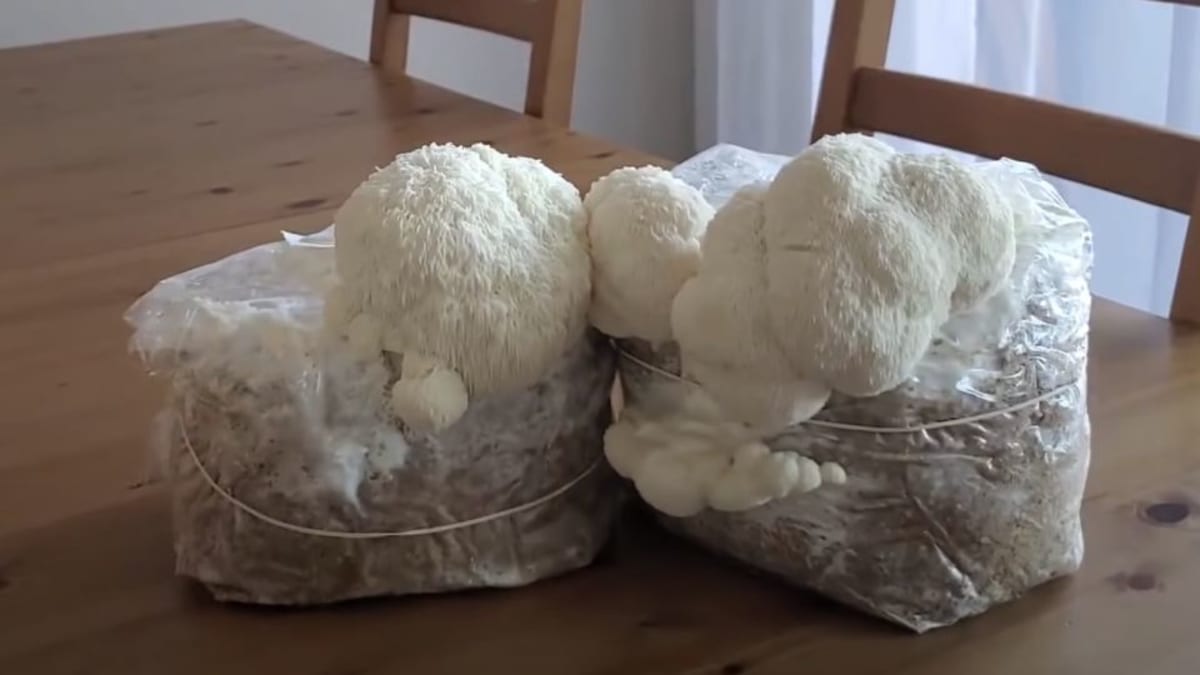
Most lion's mane grow kits ship with incomplete instructions. "Keep it humid" is the guidance you get. We tested twelve different kits over eighteen months and found that two-thirds of first-time growers failed because they didn't know how to interpret that single vague line, over-misting with chlorinated water until the pins drowned in surface pooling or the substrate turned to bacterial mush. The blocks work when you know what "humid" actually means in practice, and we spent a year documenting every variable that separates a dense white flush from a yellow aborted mess stuck to a contaminated block.
Key Takeaways
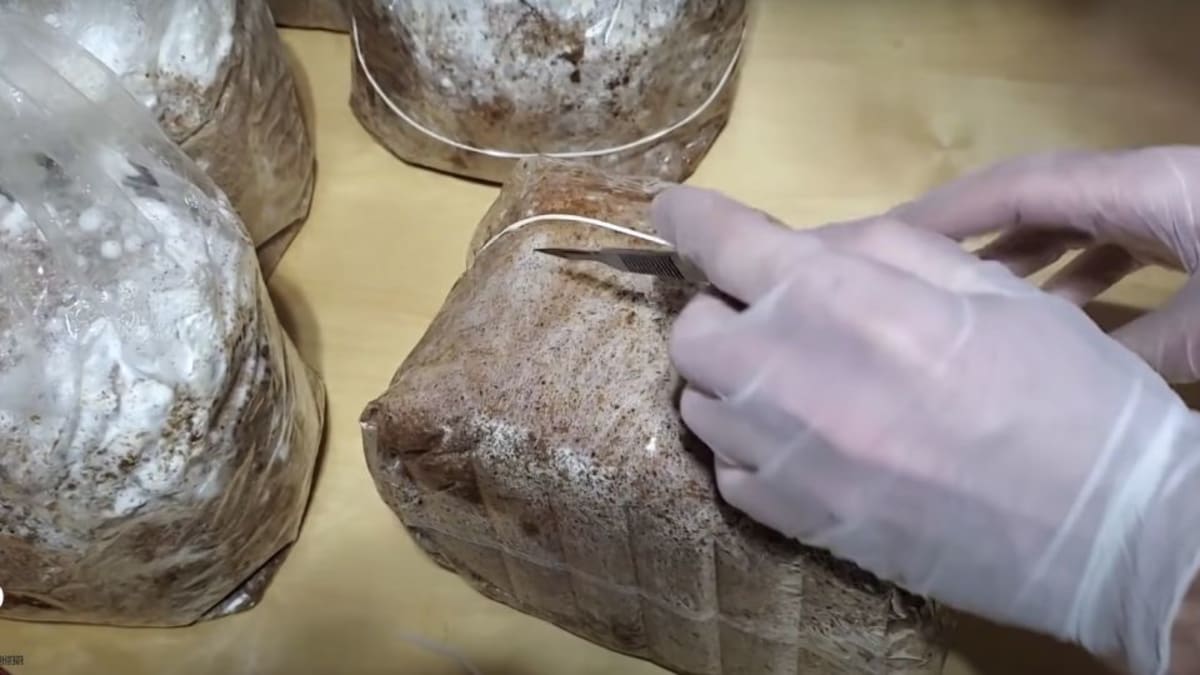
- 1Open the bag and cut a small X-shaped slit to create a fruiting surface
- 2Keep humidity high. Mist the exposed surface two to three times daily
- 3Temperature between 60-75°F (15-24°C) is the target range; below 55°F slows growth
- 4Harvest when the tips of the spines stay white and before they go yellow or brown
- 5After the first flush, soak the block overnight and a second crop will often come through
What you need
The kit is the main thing. Beyond that, a clean spray bottle filled with unchlorinated or filtered water is the only piece of gear that actually affects your outcome. Tap water works in most places, but if yours is heavily treated you'll notice slower pinning.
A digital thermometer and hygrometer help during the first grow. They're not required though. If your kitchen or living space holds somewhere between 65°F and 72°F, that's a workable range without any monitoring at all. A clean knife or scissors for harvesting and you're set.
Find a spot with indirect light. Lion's mane doesn't photosynthesize, so it isn't chasing sunlight the way a plant does, but a bit of ambient light helps the mushroom orient outward rather than back into the block. Direct sun and heating vents are both bad spots.
Step-by-step instructions
Remove the block from the box but leave the plastic bag on. That bag is your fruiting chamber. Don't ditch it. Set it somewhere with decent airflow and indirect light, away from direct sun and heating vents.
Most kits have a pre-cut opening or a labeled spot for cutting. If yours doesn't, pick one flat side of the block and use a clean knife to cut a 2-3 inch X-shape through the plastic. Press gently to open the flap without tearing it wider than you need to. Everything from this point happens through that opening.
Start misting the exposed surface two to three times a day. Visibly moist is what you want, not waterlogged. If standing water pools in the bag bottom, you're overdoing it - tip the bag and drain it when that happens.
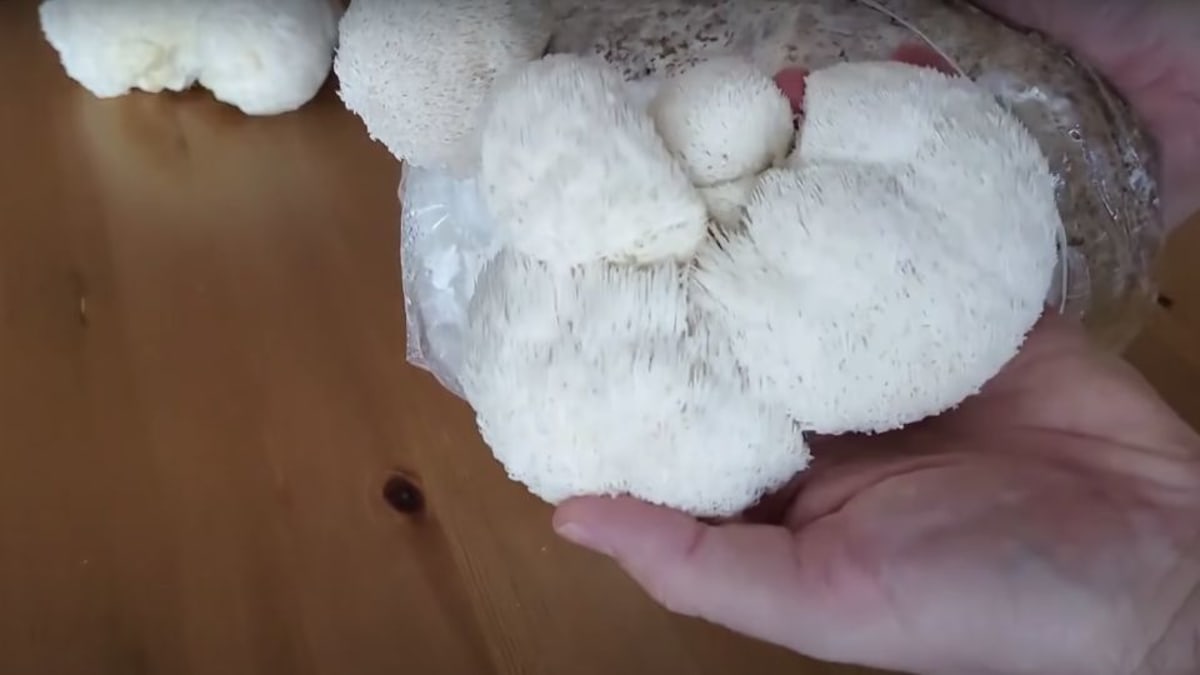
Small white bumps should show up on the cut surface within four to seven days under decent conditions. These are primordia, the first stage of mushroom growth. They start as white fuzz, then slowly form the toothed structure lion's mane is known for.
Once pins appear, keep misting on the same schedule. The mushroom can double in size every single day at this stage, so it's worth checking twice - once in the morning, once in the evening. Yellow or brown tips are a warning. That means low humidity or a temperature spike. Mist more often and move the block away from heat sources if you spot that.
Lion's mane is ready when the spines are fully out and still white all the way to the tips. Cut at the base where the mushroom meets the block. Don't pull or twist it off - clean cuts protect the surface you need for a second flush.
Common mistakes to avoid
The most frequent problem we see is overwatering. A wet surface is good. A soaking-wet one invites bacterial contamination. Sour or ammonia-like smell means the block has likely been overwatered or hit with something worse. At that point, the grow is done. Don't try to save it.
Airflow is the second culprit. Lion's mane builds up carbon dioxide as it grows, and high CO2 concentrations push the spines to grow long and sparse instead of dense and fluffy. Growing in an enclosed space? Open a window a few times a day, or set a fan on low speed nearby - not pointed directly at the block, just near it.
Harvesting too late is easy your first time. You've watched the thing grow from nothing and you don't want to cut before it's ready. Watch the spine tips, not the overall size. Fully white? You're in the window. Any yellowing means you've already traded away some quality - the mushroom stays edible, but the texture softens fast and by the time tips go brown, the flavor and bite just aren't there.
Temperature swings above 80°F will kill a grow. We set a block on top of a refrigerator during a warm stretch and got stunted, dense growth with no spines at all. We've had better results holding a steady 68°F than chasing a specific target number.
What to do with the harvest
Fresh lion's mane is genuinely different from dried or powdered versions. The texture is meaty and springy. It absorbs butter in a way no capsule can replicate. Cook it simply - thick slices in a dry pan over medium-high heat until browned, then a bit of salt at the end. Don't rush the browning and don't add liquid early. That's where the flavor comes from.
Storage is easy. Fresh mushrooms keep in a paper bag in the fridge for up to five days. A sealed plastic bag traps moisture and speeds up deterioration, so skip that. If your first flush came in bigger than expected, slice and sauté the extra, then freeze it for use in soups or stir-fries later.
For a second flush, fill the plastic bag with cold water once the first harvest is done, seal the top with a rubber band, and let the block soak for 12-18 hours. Drain, re-cut the slit if it's closed over, and resume misting. Second flushes are usually smaller than the first. Still reliable with most decent kits. A third flush is possible, though by that point the substrate is pretty spent and yield drops noticeably.
Grow kits are a solid entry point, but the full grow guide covers starting from scratch with your own substrate if you want to go further. Most first-time harvests come in bigger than expected. Our drying guide walks through dehydrator and oven methods for the extra. Curious what fresh lion's mane tastes like before you commit? This overview covers it.
Frequently Asked Questions

A dedicated wellness researcher who spent decades cataloging the impact of forest-based nutrition on human aging. Ashley doesn't care about trends; she cares about the data.