 Mushroom Health Hub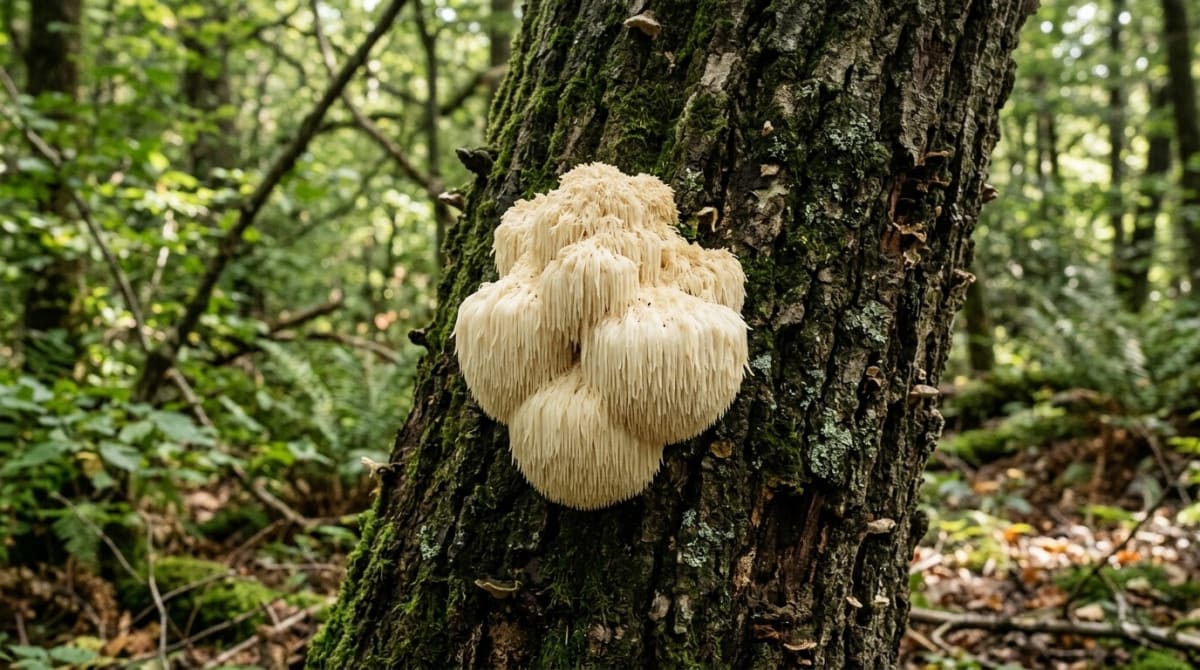
Most people buy lion's mane supplements without checking the format. Research trials do not guess. Scientists use precise extraction methods to pull cognitive-supporting compounds from the fungal cell walls, carefully measuring out concentrated doses to guarantee the active molecules actually reach the bloodstream instead of passing through the digestive tract untouched. The choice between raw powder and concentrated extract dictates the biological impact, changes the required dose, and determines the timeline for results. We need to look at the clinical data before spending money on the wrong product.
Key Takeaways
- 1Raw mushroom powder leaves chitin walls intact, blocking absorption of active compounds
- 2Hot water extraction breaks down chitin and makes beta-glucans bioavailable
- 3Dual extraction (water + ethanol) captures both immune-supporting and cognitive compounds
- 4Clinical trials show extracted formats deliver equivalent results at a fraction of the dose
The Biological Barrier of Mushroom Chitin
The first hurdle is always digestion. Fungi build their cell walls from a polymer called chitin. Evolution designed these structures to protect the fungi from environmental threats. They are tough. You can soak a raw mushroom in stomach acid for days without breaking down the outer shell. Human stomachs do not produce the enzymes needed to break this armor down, which means raw mushroom materials pass right through the body without releasing the beneficial compounds trapped inside the cellular matrix.
This biological reality forces researchers to use heat and solvents. They must process the raw material in a laboratory to make it bioavailable. If you dry a mushroom and grind it into dust, the chitin remains intact. The beta-glucans and nerve-supporting molecules stay locked inside. This explains why many cheap supplements show zero results. Consumers take unextracted powder and the body excretes it.
Hot water melts the chitin structure. It works just like brewing tea. The heat softens the tough outer walls and allows the water-soluble compounds to dissolve into the liquid, creating a dark, nutrient-rich broth that the digestive system can easily absorb and metabolize. Once the water evaporates, you are left with a highly bioavailable extract. If the label does not confirm hot water extraction, leave the bottle on the shelf.
How Extraction Changes the Chemical Profile
Lion's mane contains two primary groups of active compounds that researchers study for cognitive health: hericenones and erinacines. Both molecules show potential in lab settings for supporting nerve growth factor production. The extraction method determines which of these compounds makes it into the final product.
Water extraction pulls out the beta-glucans. These complex sugars support immune function and gut health. The hericenones and erinacines are different. They are alcohol-soluble. They require a solvent like ethanol to break free from the mushroom tissue, which is why clinical trials focusing on cognitive outcomes often turn to dual-extracted formulas that combine both water and alcohol processing phases.
We see this divide clearly in the research literature. When scientists want to test gut health or immune response, they rely on standard water extracts. When they track memory retention or focus, they look for products containing those alcohol-soluble erinacines. You have to match the chemistry to the physiological goal.
Whole Powder in Clinical Trials
Whole powder still has some uses. Some older clinical studies used unextracted mushroom powders with positive outcomes. A 2009 study in Phytotherapy Research tested raw powder on thirty older adults with mild cognitive impairment. The researchers gave participants three grams of dry powder daily, split into four tablets taken three times a day. After sixteen weeks, the powder group showed higher cognitive function scores than the placebo group.
While this early research suggested raw powder provided benefits, the sheer volume of material required highlights the inefficiency of asking the digestive tract to break down raw chitin without any prior extraction assistance. The participants had to swallow twelve pills every single day. That dosing schedule is difficult to maintain long-term, and the three-gram threshold simply does not fit most modern capsule products.
Modern trials moved away from this approach. Scientists realized they could deliver the same amount of active compounds in a fraction of the volume by processing the mushrooms first.
Concentrated Extracts in Clinical Trials
Modern research focuses heavily on standardized extracts. This approach removes indigestible fiber and isolates the target compounds. A 2023 study in Nutrients evaluated forty-one healthy young adults to measure changes in stress and cognitive speed. The research team bypassed the three-gram raw powder protocol and used 1.8 grams of concentrated extract administered daily over four weeks.
The results proved the efficiency of the extract format. Participants showed faster performance on cognitive tasks after just sixty minutes. Stress levels dropped by the end of the month. Without the indigestible chitin shell, the active ingredients hit the bloodstream faster. The body absorbs the molecules with less metabolic effort, which translates to smaller dose requirements and more predictable outcomes. For a deeper look at how long lion's mane takes to work, the timeline varies meaningfully by format.
The Dual Extraction Difference
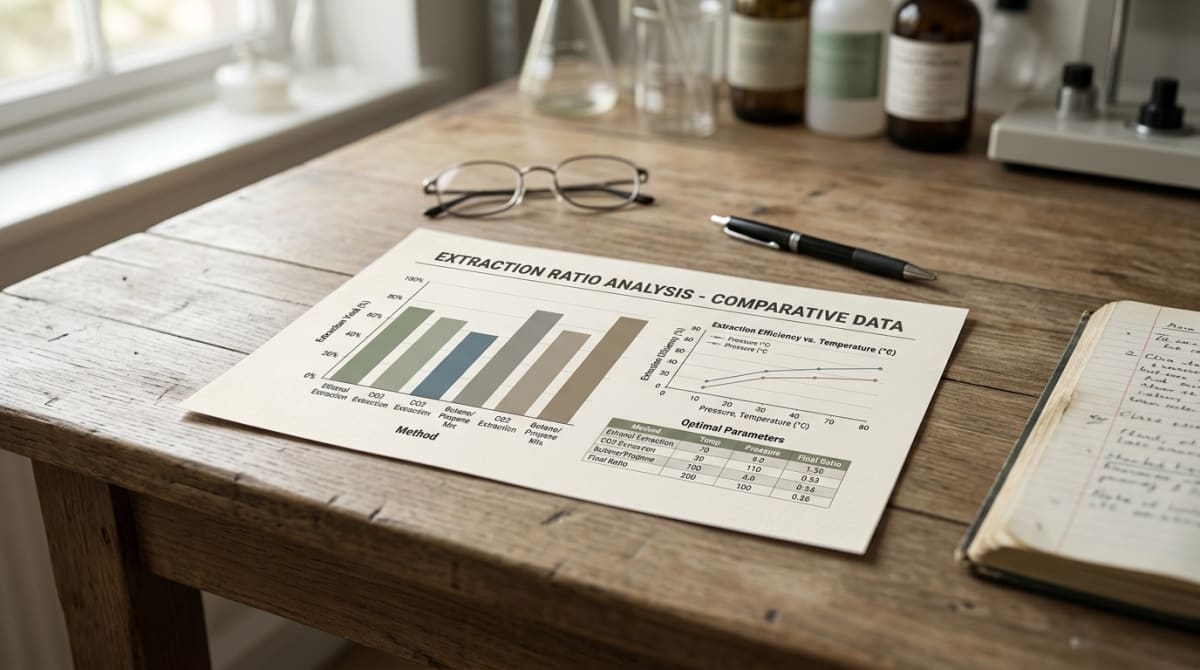
You will see ratios on supplement labels. An eight-to-one ratio means eight pounds of raw material condensed into one pound of finished product. The higher the ratio, the more concentrated the final powder becomes.
Dual extracts run the mushroom material through both hot water and ethanol. This two-step process captures everything. The water pulls the immune-supporting beta-glucans, while the alcohol pulls the brain-supporting compounds. Then the manufacturer evaporates the liquid and dries the remaining material into a fine powder. This end product is still technically a powder, but it is an extracted powder rather than raw ground tissue.
Do not confuse the texture with the processing method. A high-quality dual extract dissolves almost instantly in warm water. Raw powder clumps up and floats on the surface of the liquid. The visual difference alone tells you which product has been properly processed. When you pay for a dual extract, you are paying for the labor required to perform two separate extraction runs on the same batch of mushrooms.
Matching Format to Physiological Goals
You have to define a goal first. Every user has a different reason for exploring mushroom nutrition. Some need general digestive support, while others require systemic immune regulation or targeted cognitive support.
If the primary goal involves gut health, a hot water extract works well. The beta-glucans feed the beneficial bacteria in the microbiome and support the immune system from the inside out. If you want to protect cognitive function as you age, you need a dual extract. The brain requires the alcohol-soluble compounds to stimulate nerve growth factor, a protein that maintains the health and structural integrity of the neural pathways responsible for memory and spatial processing.
This is where many buyers make an expensive mistake. They pick up a cheap water extract at the grocery store expecting mental clarity benefits. Four weeks go by without any changes. The product was not wrong; the format was wrong for the goal.
Calculating Dosages Based on Trial Data
We use these human clinical trials to establish a reliable baseline rather than guessing based on scoop size. The 2023 Nutrients study used 1.8 grams of extract for adults. The 2009 Phytotherapy Research study used 3 grams of raw powder. Those two numbers are not interchangeable. The extract delivered comparable cognitive benefits at 40% of the raw powder volume, which tells you everything about the efficiency gap between formats. Our full breakdown of lion's mane dosage for focus translates these trial numbers into practical supplement amounts.
Timing matters too. The human trials required consistent daily administration for at least twenty-eight days before researchers measured the final physiological changes. Mushroom compounds take time to accumulate. Expect gradual improvements in focus and stress tolerance rather than a sudden spike in energy after a single dose. Our separate guide on when to take lion's mane covers timing protocols in detail, but the short version is: morning with food, daily, no skipped days for the first month.
Field Testing Formats
We tested both supplement approaches directly. Starting with a plain unextracted powder, we ran the standard three-gram protocol for a full month. The capsules were large and chalky. The powder version mixed into water looked like muddy runoff and sat on the surface rather than dissolving. Mental sharpness, word retrieval speed, and morning alertness all looked unchanged at the four-week mark.
We then switched to a dual-extracted product, an 8:1 concentrate with verified hot water and ethanol processing. The serving size dropped to a quarter teaspoon. It dissolved completely in warm water within thirty seconds and smelled faintly of earth rather than raw grain. Three weeks in, word retrieval felt quicker. Reading retention improved noticeably by the end of week four. We were moving through dense material faster and retaining more after a single pass.
The raw powder passed right through. The dual extract made it through. Always check the label for both hot water and alcohol extraction. Leave the raw powder on the shelf unless your goal is strictly gut health and you are willing to take twelve capsules a day.
Frequently Asked Questions

A dedicated wellness researcher who spent decades cataloging the impact of forest-based nutrition on human aging. Ashley doesn't care about trends; she cares about the data.
References & Further Reading
- The Acute and Chronic Effects of Lion's Mane Mushroom Supplementation on Cognitive Function, Stress and Mood in Young Adults: A Double-Blind, Parallel Groups, Pilot Study. Nutrients 2023 — Nutrients (2023)
- Improving effects of the mushroom Yamabushitake (Hericium erinaceus) on mild cognitive impairment: a double-blind placebo-controlled clinical trial. Phytother Res 2009 — Phytother Res (2009)