 Mushroom Health Hub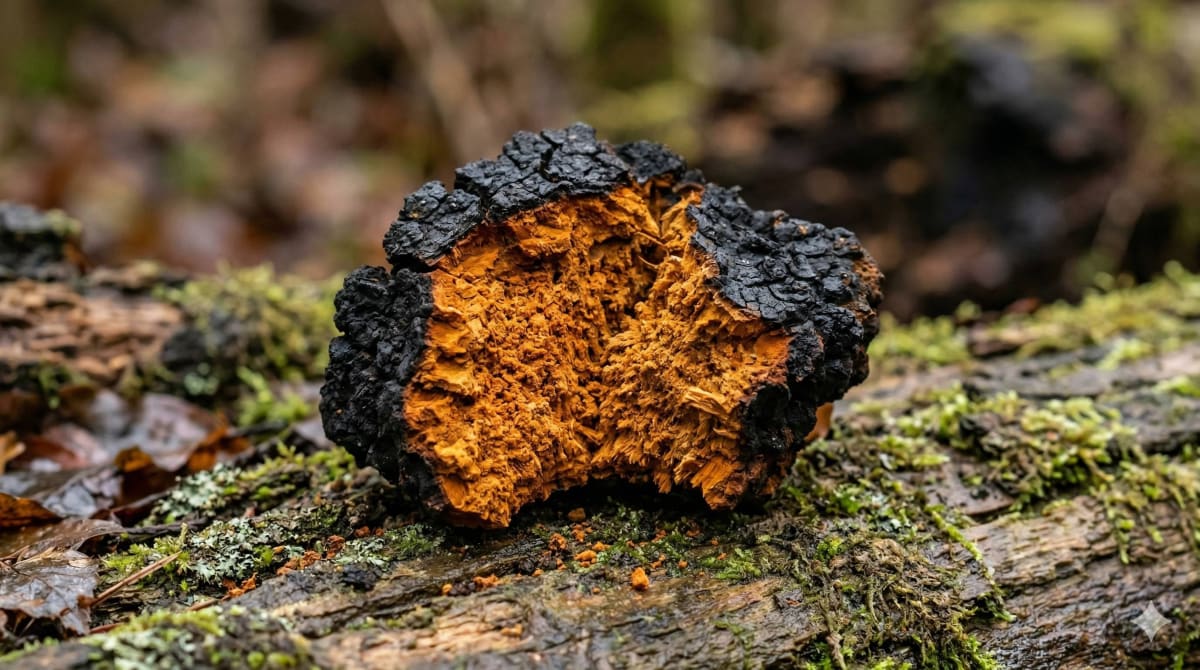
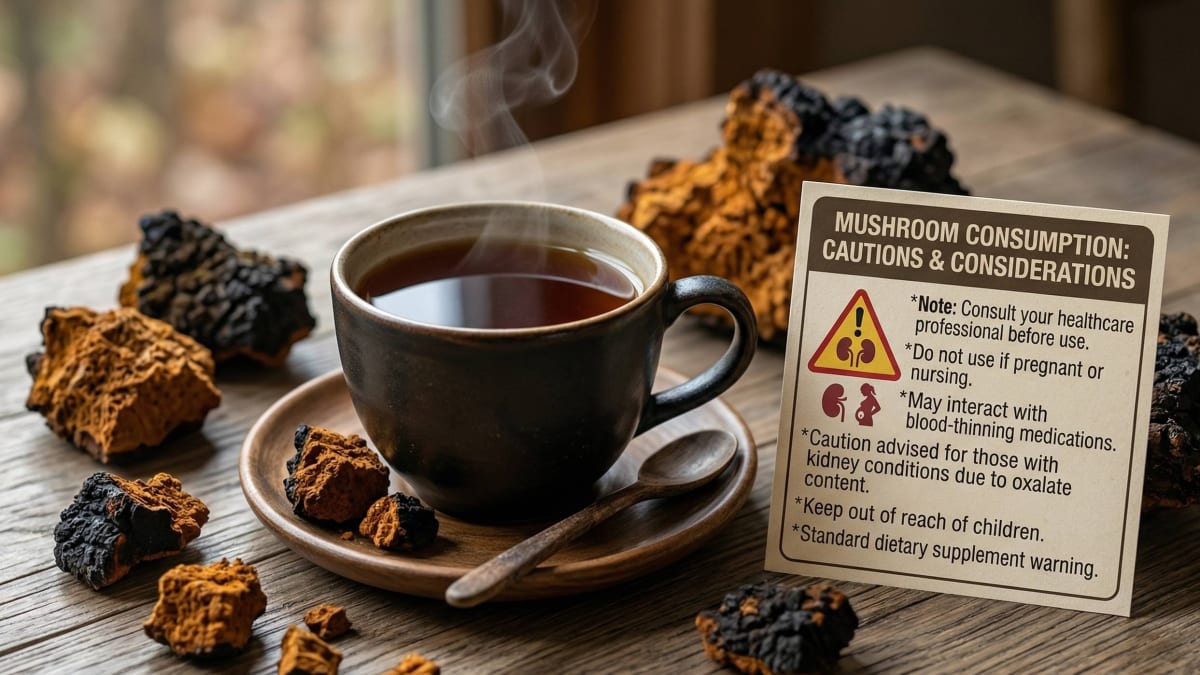
Many influencers push a daily morning cup of chaga tea. We strongly advise against doing this blindly. In our review of clinical reports covering kidney failure linked to functional mushrooms, we discovered a massive hidden risk wrapped up in oxalate density. You can actually consume it daily. But you have to respect strict dosage boundaries and realize that hot water extraction rapidly pulls out soluble compounds that inevitably choke the renal system over time if you lack a firm grasp on the underlying chemistry. Swallowing heaps of raw powder simply packs those acids tighter. The damage sneaks up on you. Most of us never feel the tiny crystals taking shape. The initial physical symptoms tend to arrive too late to reverse the physiological hit.
Key Takeaways
- 1Chaga contains up to 10% oxalates by dry weight in wild-harvested specimens. A standard serving drops 20-30 mg of oxalates into the gut
- 2A 2022 Medicine case report documented kidney failure in a man consuming 10-15 grams daily. Calcium oxalate crystals were embedded throughout his renal tissue
- 3Hot water extraction dissolves oxalates INTO the final product. Ethanol extracts carry significantly lower concentrations of these harmful crystals
- 4Cycle chaga use: 4-6 weeks on, minimum 2 weeks off. Never exceed 1500 mg per day
Common Side Effects
Let's look at what actually happens during regular use. Digestive friction ranks as the most frequent issue we see in new users. You might feel a wave of nausea. Deep stomach cramps often trail right behind unusually heavy doses. These reactions usually spring from the incredibly stubborn fibrous material hanging around in raw preparations. Fungi construct their cellular walls out of chitin. Human stomachs simply lack the biological hardware to dissolve this crab-shell-like armor.
The real metabolic hurdle involves oxalates. These organic acids naturally grow in everyday grocery items like spinach and rhubarb and dark chocolate. Chaga happens to hold extraordinarily dense payloads of them. Some wild-harvested chunks weigh in at nearly ten percent oxalates by dry weight. A standard supplement serving typically drops twenty to thirty milligrams of oxalates into the gut. That payload mirrors a huge handful of raw almonds.
Subtle dehydration frequently rides alongside a daily habit. The mushroom acts as a mild diuretic. In our experience, people who forget to push extra fluids often complain about dry mouth and dragging energy by the end of week one. You have to drink water. Flushing the pipes keeps those soluble oxalates from settling in the delicate renal pathways.
Water extraction methods flip the molecular profile upside down. A 2023 study in the International Journal of Molecular Sciences found that ethanol-ethyl acetate extracts protected kidney function in diabetic mice, whereas hot water extraction actually dissolved the potential toxins that actively speed up renal decline and tissue scarring. Preparation mechanics matter immensely. Swallowing raw powder forces the digestive tract to process the entire oxalate burden alone. For a deeper look at why extraction method changes everything, see our guide on dual extraction vs hot water extraction.
Serious Concerns
The gravest threat we track is acute oxalate nephropathy. This physiological crash happens when high concentrations of oxalates lock onto calcium floating in the bloodstream. They form jagged microscopic crystals. These sharp little structures permanently lodge inside the incredibly fragile filtration tubes of the kidneys.
Do not ignore the extreme end of this spectrum. A 2022 study in Medicine documented this identical nightmare scenario in a sixty-nine-year-old man who swallowed ten to fifteen grams of chaga powder daily for three solid months while also taking a basic vitamin C supplement. The human body readily converts vitamin C directly into oxalate. This combination violently compounded the toxic burden crushing his renal system. He developed acute kidney injury and nephrotic syndrome. His kidneys failed. He required weeks of hemodialysis and high-dose steroids before his renal function finally started bouncing back a month later.
Fifteen grams represents a truly massive dose. We watch wellness enthusiasts casually scoop unmeasured mounds of raw powder into their morning smoothies all the time, and this reckless habit forces the organs to process a staggering volume of sharp organic crystals that human biology cannot safely eliminate without catastrophic damage. The toxicity builds quietly over the course of several weeks. Those doctors eventually found calcium oxalate crystals heavily embedded throughout the man's renal tissue.
Drug Interactions
Beyond the obvious renal risks, this fungus fundamentally alters blood chemistry. It acts as an inherent blood thinner. The underlying compounds actively inhibit platelet aggregation. This mechanism stops red blood cells from clumping together in a normal fashion. If someone takes anticoagulant medications like warfarin or aspirin, combining those drugs with mushroom extracts creates a dangerous compounding effect. Blood entirely loses the ability to clot properly. Minor kitchen cuts will bleed significantly longer. Unexplained bruises will start popping up out of nowhere.
Blood sugar regulation presents another major biological conflict. The beta-glucans locked in the fungal cell walls naturally lower blood glucose levels. This sounds great for general metabolic health. It becomes incredibly dangerous for anyone actively managing diabetes with prescription pharmaceuticals. Taking insulin alongside these concentrated extracts can trigger severe hypoglycemia. Blood sugar drops without warning.
Taking both immunostimulants and immunosuppressants simultaneously forces a physiological stalemate. The mushroom stimulates white blood cell production and activity across the board, but medications prescribed for organ transplants or severe autoimmune flare-ups work by suppressing those exact same biological responses, meaning the supplement could entirely neutralize the protective medical treatment. For a full picture of supplement stacking risks, see our guide on taking too many mushroom supplements.
Who Should Avoid It
Anyone with a history of kidney stones absolutely must avoid this supplement. The highly concentrated oxalates virtually guarantee a painful flare-up. Folks dealing with chronic kidney disease or reduced renal function simply cannot process the toxin load safely.
We also see severe risks for people diagnosed with autoimmune conditions. Diseases like lupus and multiple sclerosis and rheumatoid arthritis involve an aggressively overactive immune response. The fungal compounds stimulate white blood cells. This sudden immune boost could easily trigger a drastic symptom relapse.
Surgical patients must stop. They need to drop all mushroom consumption at least two weeks prior to any scheduled operation. The botanical blood-thinning properties drastically increase the risk of uncontrolled bleeding once the surgeon makes an incision. Pregnant women and nursing mothers should definitely skip the morning tea, primarily because no clinical research teams have ever verified the safety profile for fetal development or breast milk transmission in human subjects to date.
Affiliate Disclosure: Mushroom Health Hub earns commissions from qualifying purchases made through links on this page. This supports our lab testing and does not affect our recommendations. We only recommend supplements that pass our quality standards. Learn more
For those who can safely use chaga, Real Mushrooms Organic Chaga Extract uses dual extraction methods that significantly reduce oxalate content while preserving beneficial beta-glucans and triterpenes. Always start with the minimum effective dose and cycle usage as outlined above.
Frequently Asked Questions

A dedicated wellness researcher who spent decades cataloging the impact of forest-based nutrition on human aging. Ashley doesn't care about trends; she cares about the data.
References & Further Reading
- Chaga mushroom-induced oxalate nephropathy that clinically manifested as nephrotic syndrome: A case report. Medicine 2022 — Medicine (2022)
- Renoprotective Impacts of Inonotus obliquus Ethanol-Ethyl Acetate Extract on Combined Streptozotocin and Unilateral Nephrectomy-Induced Diabetic Nephropathy in Mice. International Journal of Molecular Sciences 2023 — International Journal of Molecular Sciences (2023)