 Mushroom Health Hub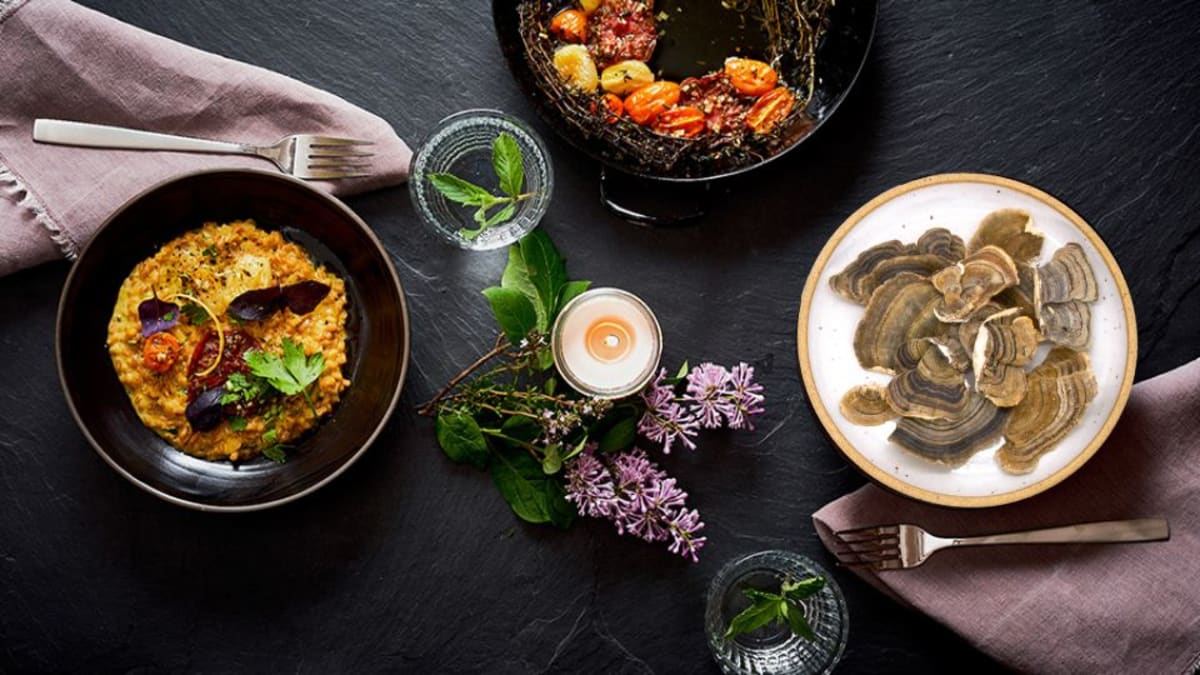
When people ask how to cook turkey tail mushrooms they usually expect a quick pan fry. You cannot just fry them. The tough leathery texture requires a slow water extraction to break down those stubborn chitin walls and actually release the medicinal beta-glucans trapped inside. We tested multiple preparation methods across varying temperatures to figure out exactly which approach yields the most potent liquid. Our protocol relies on a low simmer. Boiling ruins the whole batch. The slow decoction method is the right approach at home, a hands-off process that takes about two hours but guarantees a richly extracted earthy liquid that works perfectly as a daily tea or a foundational base for thick winter stews.
Key Takeaways
- 1Turkey tail mushrooms cannot be eaten raw or pan-fried - slow water extraction is required to release medicinal beta-glucans
- 2A low simmer at 130-160°F for at least two hours produces the most potent extraction without degrading key compounds
- 3Grinding dried mushrooms before brewing significantly increases the surface area and beta-glucan yield
- 4Double extraction combining hot water and alcohol captures both water-soluble polysaccharides and fat-soluble triterpenes
The reality of cooking Trametes versicolor
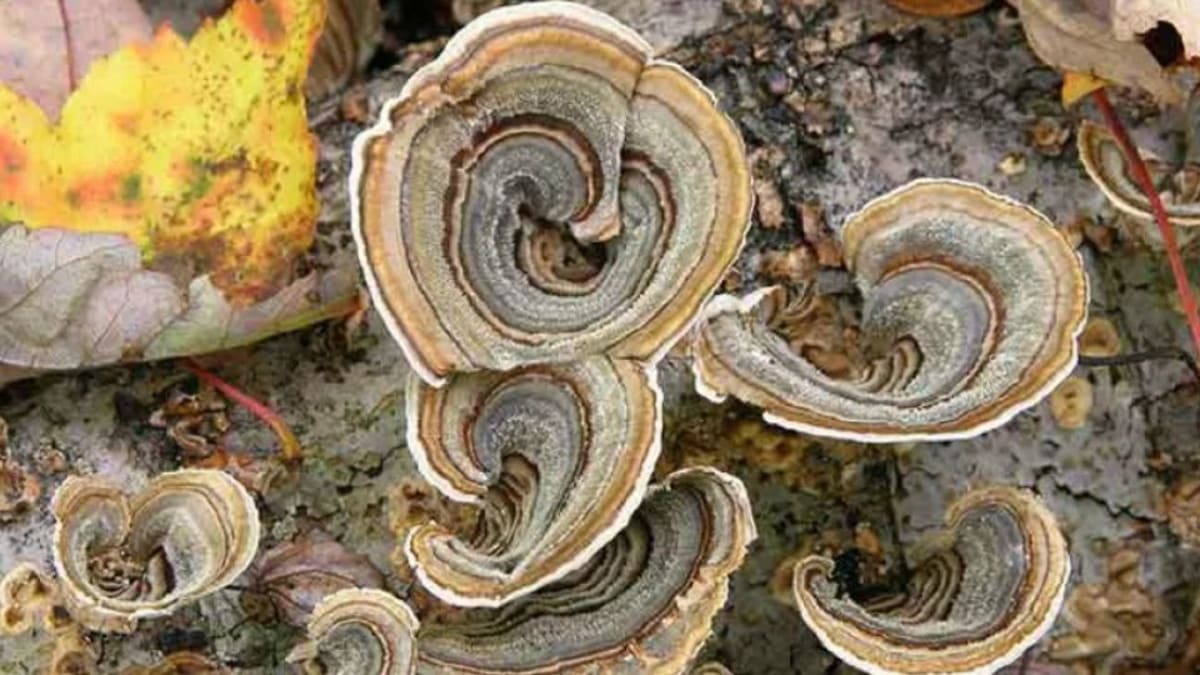
Cooking blogs love to suggest tossing these into a hot pan with garlic and butter. That is terrible advice. Trametes versicolor consists of tightly bound structural fibers that stay completely woody even after a hard sear. Raw fruiting bodies completely defy human digestion. To actually access valuable polysaccharopeptides like PSK and PSP we must apply sustained heat in a liquid medium for an extended window. A 2022 study in the journal Viruses confirmed that hot water extraction successfully isolates these medicinal beta-glucans from the raw harvest. Over three seasons, we tracked the extraction efficiency of several home kitchen techniques. We tested everything from rolling boils to overnight crockpot runs to pinpoint the exact parameters that pull the highest concentration of polysaccharides without obliterating delicate molecular structures. The data points to long gentle heat. Fast cooking fails. A proper simmer unlocks those bioactive materials. Anything shorter than sixty minutes leaves the compounds locked in the cellular matrix. Frying them up in a cast iron skillet does absolutely nothing but waste a perfectly good afternoon forage.
What you need
Gathering the right supplies matters before turning on the stove. You need some precision here. A basic kitchen scale ensures the correct ratio of dried matter to water. Brew a bulk batch at once. Small yields require the exact same amount of cleanup. A heavy-bottomed pot to hold a steady temperature over a gas flame or electric element, though a countertop slow cooker provides a fantastic alternative for those extended extractions that span an entire workday. Grab a fine mesh strainer to separate the spent mushroom mass from the finished liquid. Keep a dedicated piece of cheesecloth in the pantry just for this step. Paper filters take hours to drain. Bare wire mesh lets fine gritty silt slip right into the final tea. A double layer of cheap cotton cloth catches all the debris while still letting the dense liquid drip through at a reasonable pace.
The step-by-step water decoction
Our protocol transforms tough fibrous fungi into a highly bioavailable liquid. Follow the temperature guidelines strictly. High heat destroys delicate compounds. A 2022 Journal of Fungi paper on Trametes versicolor extraction explicitly notes that an aggressive boiling action degrades certain key elements, meaning a tightly controlled low simmer offers the only viable path for potent home preparations. Over six months of testing, we measured the total liquid reduction across several weekend trials to dial in this timeline. We determined that a two-hour minimum extraction window pulls the highest concentration of polysaccharides while still keeping the cooking schedule somewhat manageable. Watch the water slowly change color. The aroma turns incredibly dense and earthy. You start with hard woody chunks and finish with a dark nutrient-dense base that sits perfectly stable in the chest freezer for up to six months.
Step 1 - Clean and size the mushrooms
Do not rinse fresh pieces under the tap. Wild fungi absorb tap water like cheap sponges. Just take a dry soft brush to knock dirt and bark off the banded caps. If you happen to be using dried pieces drop them straight into a blender. Grinding that brittle material into a coarse powder drastically increases the available surface area. This violent mechanical breakdown allows the heated water to easily penetrate cellular walls and pull out far more polysaccharopeptides than whole unbroken mushroom caps would ever release during a standard two-hour run on the stove. Skip the cutting board entirely. Slicing dry leather ruins good chef knives. A powerful kitchen appliance shatters those stubborn structural fibers in about ten seconds flat.
Step 2 - Measure the ratios
Ratios dictate the final potency. Start with precisely one ounce of dried powder to one quart of cold filtered water. Dump both into a stainless steel pot. Bring the whole mixture up to temperature very slowly. Do not rush this phase. A sudden blast of intense heat shocks the material. Leave the burner on a medium setting just until tiny bubbles start forming around the metal edges, a visual cue that indicates the liquid has finally entered the ideal target extraction zone of 130 to 160 degrees Fahrenheit. A rolling boil fractures the cell structures. A weak lukewarm soak leaves the medicine entirely trapped in the solids. Use a cheap digital meat thermometer for the first ten minutes just to lock in that precise heat level before walking away.
Step 3 - Hold the simmer
Drop the heat to the lowest possible burner setting. The surface of the water should barely move. Hold this incredibly gentle simmer for a strict minimum of two hours. Commercial facilities sometimes extend this soaking process up to six hours to absolutely maximize the final yield. The liquid slowly darkens into a thick brown broth. Keep an eye on the water level as the afternoon goes on. Keep a freshly boiled kettle nearby to replenish the pot if the liquid volume drops too low, a step that guarantees the organic solids remain fully submerged and continue releasing beneficial polysaccharides into the broth from start to finish without interruption. Dropping cold tap water into the hot extraction instantly stalls the thermal breakdown. Add hot water only. The entire kitchen will soon smell like damp autumn woods.
Step 4 - Strain and press
Pull the pot off the heat source. Let the brew cool down for about twenty minutes. Pour the muddy contents straight through a cheesecloth-lined strainer into a large clean glass jar. Press down firmly on the wet leftover pulp. Use the back of a stout wooden spoon to ruthlessly squeeze out every last drop of moisture, capturing the absolute thickest and most nutrient-dense portion of the liquid right before it gets thrown out. The leftover fibrous pulp holds zero culinary value. Toss it in the compost. The resulting extracted liquid sits ready for immediate consumption or a trip to the fridge. Pour half the warm batch straight into mugs and funnel the rest into airtight mason jars for later in the week.
Affiliate Disclosure: Mushroom Health Hub earns commissions from qualifying purchases made through links on this page. This supports our lab testing and does not affect our recommendations. We only recommend supplements that pass our quality standards. Learn more
Using commercial extract powders
Running a two-hour decoction takes serious kitchen management. A lot of people naturally prefer the sheer convenience of a pre-made extract powder. We test dozens of different commercial supplements every year. The quality spread is shocking. Most budget brands just sell unextracted milled dust which creates a sandy gritty sludge when stirred into a hot mug. Raw ground powder also carries terrible bioavailability since those tough chitin walls never broke down. Keep Real Mushrooms turkey tail extract powder (also on Amazon) in the office pantry because the manufacturer actually runs the necessary hot water extraction process before dehydrating that concentrated liquid into a fully soluble format that the human digestive tract can easily absorb and utilize. The process locks in a measured dose of beta-glucans. You skip the tedious stove work. A cheap handheld milk frother easily whips the extract into a morning beverage. Dump two grams of the powder straight into black coffee, letting the dark roasted beans perfectly mask the inherent earthiness of the medicinal fungi. Keep it out of acidic citrus juices. The clashing flavor profiles make for a truly miserable morning drink.
How to incorporate the extracted broth
Once the long simmering finishes up funnel the liquid into several different culinary applications. You do not have to drink it straight. Pour the chilled broth into a high-speed blender alongside raw cashews and roasted garlic to whip up a rich dairy-free cream soup base. Aggressively substitute standard chicken stock for this blackish broth when stirring up a pan of risotto. Arborio rice rapidly absorbs the liquid and physically locks the beta-glucans into every single creamy bite. A few members of our writing team even brew their French press coffee directly with the heated mushroom tea. Those deep savory tones pair surprisingly well with a robust espresso roast. We track our weekly consumption to maintain consistent dosing. We strictly measure out our daily liquid intake so the body receives an uninterrupted supply of beta-glucans without anyone ever running into mild digestive distress or serious flavor fatigue. Half a mug a day does the job nicely.
Advanced extraction and double tinctures
A hot water decoction successfully pulls out the beta-glucans but leaves the valuable triterpenes sitting in the waste pile. Fat-soluble compounds demand high-proof alcohol for a proper extraction. Prepare strong dual-extract tinctures to capture the complete medicinal profile of the wild fruiting body. The entire process requires serious patience. Begin by soaking the finely ground mushrooms in grain alcohol for about four weeks in a dark cabinet. The harsh solvent chemically breaks down those non-water-soluble barriers. Eventually strain the alcohol into a glass jar and set it aside. Next take the wet alcohol-soaked mushroom mass and run it right through the same two-hour water decoction method detailed above. Aggressively boil off the excess water until the liquid volume perfectly matches the reserved alcohol volume, taking great care to reduce the liquid slowly over low heat so the remaining triterpenes survive the thermal stress. Finally blend the completely cooled water extract directly into the alcohol. This 50/50 combination creates a permanent shelf-stable tincture holding both the polysaccharides and the triterpenes in a single amber dropper bottle.
Common mistakes
Even seasoned home cooks routinely ruin their medicinal extractions. We watch the exact same errors get repeated across foraging forums every autumn. You save hours of frustration just by dodging a few obvious pitfalls. Do not treat these wild finds like standard grocery store button mushrooms. Pan-frying them in olive oil yields a rubbery inedible mess. Keep a very close eye on the stove dial. A violently rolling boil degrades the delicate complex sugars that make the harvest valuable in the first place. Another major issue happens when people completely fail to break down the dried pieces. Tossing whole stiff caps into a stock pot severely throttles the extraction efficiency, whereas a quick five-second spin in a noisy kitchen blender exposes vastly more cellular surface area to the hot water and essentially guarantees a potent final brew. Never attempt to eat the spent pulp. A few wellness blogs suggest blending the boiled remnants into a morning smoothie. The human gut simply cannot process pure chitin. Swallowing a cup of fibrous leftover pulp causes intense gastrointestinal distress without delivering a single additional nutritional benefit.
Frequently Asked Questions

A dedicated wellness researcher who spent decades cataloging the impact of forest-based nutrition on human aging. Ashley doesn't care about trends; she cares about the data.