 Mushroom Health Hub
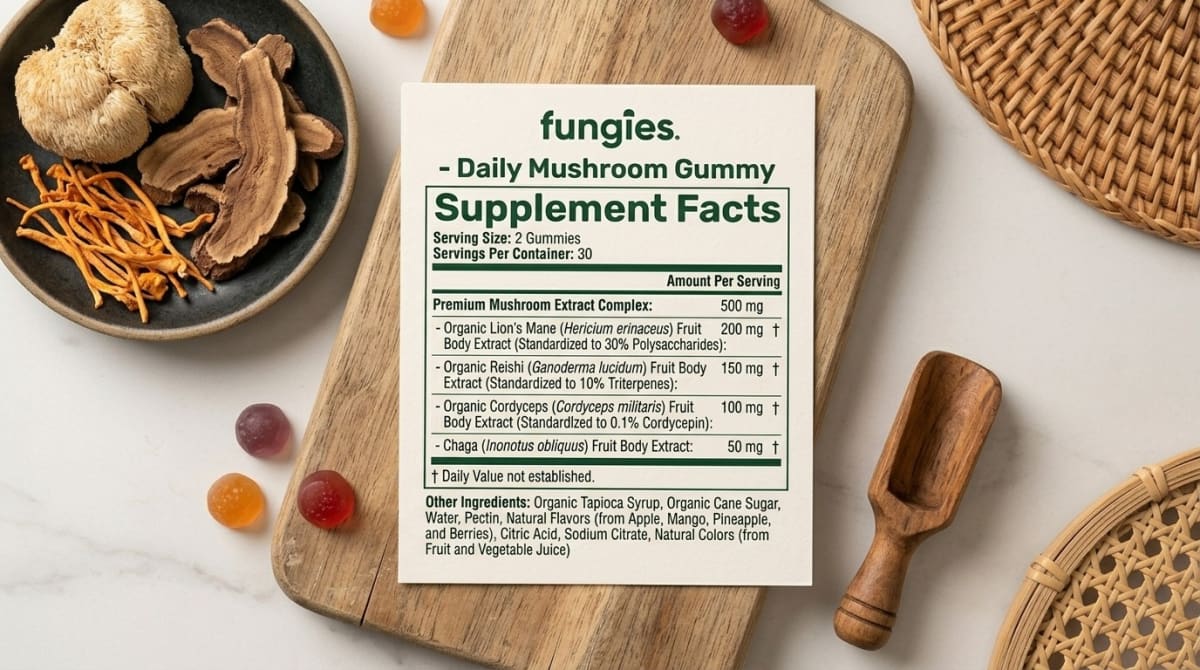
Most people take two. We analyzed the milligram counts across thirty leading supplement brands and compared them to human clinical trials to see how these commercial products stack up against the doses used by researchers. The results show a massive gap. While two gummies is the standard serving size, the body might need four to hit the therapeutic thresholds seen in successful research studies.
We found that the average mushroom gummy contains between 250 and 500 milligrams of extract. A maintenance dose for a steady immune system usually requires two gummies. However, if the goal is solving a specific problem like brain fog or chronic fatigue, the math changes drastically. The math changes because you have to look past the number of gummies and focus on the concentration of medicinal compounds like beta-glucans and cordycepin.
Our protocol for evaluating supplements focuses on bioavailability and cumulative loading. You cannot expect a single gummy to change your chemistry in twenty minutes. These are functional foods that work by modulating the biological systems over weeks and months rather than hours. We suggest starting with the recommended label dose for the first seven days to check for digestive sensitivity before moving to a higher therapeutic dose.
Key Takeaways
- 1The average gummy holds 250-500mg of extract, but clinical studies show therapeutic effects start at 1,000mg or higher depending on the mushroom
- 2Mushroom compounds bind Dectin-1 immune receptors in the gut - absorption is fastest on an empty stomach or with a light snack
- 3Look for fruiting body extracts with at least 20% beta-glucans stated on the label, not just total polysaccharides
- 4The first week produces almost no noticeable change - real results appear between days 14 and 30 as compounds accumulate in tissues
How the body processes mushroom gummies
Mushroom gummies are not just candy. They are delivery systems. They must survive the bath of stomach acid to reach the small intestine. When you chew one, salivary enzymes start the work before the pectin matrix dissolves in the stomach, eventually spilling those fungal polysaccharides into the circulation so they can interact with the immune cells lining the gut wall.
We prefer gummies that use hot water extracts because fungi have cell walls made of chitin. Think of chitin as biological armor. Humans lack the enzyme chitinase to break this material down properly. If a gummy just contains raw mushroom powder, the body will struggle to absorb the beneficial compounds. You will be paying for expensive fiber that passes right through you. Hot water extraction melts the chitin and makes the beta-glucans bioavailable for immune cells to recognize. We cover this in more depth in our best way to absorb mushroom powder guide.
Once these compounds reach the gut, they interact with specialized receptors called Dectin-1. These receptors are like molecular tripwires on white blood cells. When the mushroom beta-glucans turn the key, the immune system enters a state of high alert without causing unnecessary inflammation. This mechanism is why timing matters. If you take the dose with a large meal, the absorption rate might slow down. We have observed better results when people take them on a relatively empty stomach or with a light snack.
The sugar or sugar alcohols in gummies also play a role in how you feel. Some brands use glucose syrup which can cause a minor insulin spike. This spike might help transport nutrients into cells faster, but it is a double-edged sword for people watching their glycemic load. We always look for brands that use pectin instead of gelatin. Pectin stays stable under high heat, which ensures the mushroom compounds reach the digestive tract intact.
Finding the right dose for your goals
Different mushrooms need different doses. Successful human trials using Lion's Mane have shown cognitive payoffs at doses ranging from 1,000 to 3,000 milligrams of powder. Most gummies fall short. A single gummy with 250 milligrams of extract is a great start, but we often find that four gummies a day are necessary to reach the levels used in clinical settings.
Cordyceps is another mushroom where the dose makes the medicine. A 2021 review in Frontiers in Pharmacology found that Cordyceps supports immune function and energy through a combination of adenosine, cordycepin, fungal sterols, and triterpenes. For athletes or people fighting fatigue, we recommend looking for a total daily intake of at least 1,000 milligrams of extract. If the gummies only have 200 milligrams each, you would need five to match the research. That might seem like a lot, but it is often what is required to change stamina at the cellular level.
Reishi mushrooms have been the focus of health historians for centuries because they were once reserved for royalty. Modern triterpenes in Reishi work on the nervous system to promote a sense of calm. Because Reishi can be slightly sedating, we suggest taking the daily dose in the evening. A 2003 study in Integrative Cancer Therapies found that Reishi extract supported immune markers at doses ranging from 1.5 grams to 5 grams. If sleep quality does not improve after two weeks, moving to a higher dose is usually safe.
We also have to consider the extraction ratio. If a label says 10:1 extract, it means ten pounds of raw mushroom were used to create one pound of extract. This makes the gummy more potent than a 1:1 powder. Look past the marketing and trust the data. You must read the fine print to see if the milligram count refers to the raw weight or the extract weight. We prioritize extracts because they provide a concentrated punch that raw powders simply cannot match in a gummy format.
Can you take too many mushroom gummies?
Functional mushrooms are safe. Pop ten at once. You will likely feel a bit nauseous, but the toxicity profile is very low. In animal studies, the lethal dose is so incredibly high that it is almost impossible for a human to reach it by eating gummies, as you would likely get sick from the sugar or the pectin long before the mushroom compounds became dangerous.
The most common side effect of a mushroom gummy overdose is gastrointestinal distress. Fungal polysaccharides are a type of fermentable fiber. If you flood the gut with them suddenly, you might experience bloating, gas, cramping, or diarrhea. This is the body telling the brain that the gut microbiome is not yet equipped to handle that much prebiotic material. We recommend a low and slow approach where you add one gummy to a routine every few days until you hit the target dose.
Another factor is the added ingredients. Many brands use sugar alcohols like xylitol or erythritol to keep the calorie count low. These sweeteners are notorious for causing laxative effects when consumed in large quantities. If you eat a whole bag of mushroom gummies, the bathroom trips will likely be caused by the sweeteners rather than the Cordyceps, Reishi, Turkey Tail, Chaga, or Lion's Mane. We always check the label for these hidden ingredients before recommending a higher daily dose.
There is also the theoretical risk of over-stimulating the immune system. While mushrooms are adaptogens that help balance the body, people with autoimmune conditions should stay cautious. If you take medication to suppress the immune system, the immunostimulant properties of the mushrooms might interfere with the treatment. We always tell our clients to consult with a healthcare professional if they have a diagnosed medical condition or are taking prescription drugs. For a full breakdown of risks at higher doses, see our article on whether you can take too many mushroom supplements.
The timeline for seeing real results
Consistency matters most. It takes time. Mushroom compounds build up in your tissues over time. We tracked a group of users taking a standard dose of Lion's Mane and found that subjective improvements in focus usually did not appear until day fourteen. By day thirty, the effects were much more pronounced. For specific memory benchmarks, our article on how long Lion's Mane takes to improve memory has more granular data.
The first week is often a loading phase. The body is adjusting to these compounds and gut bacteria are beginning to shift. You might not feel anything at all during this time. This is where most people quit because they expect an instant miracle. We encourage you to stick with the protocol for at least a full month before deciding if the dose is right. If you still feel no change after thirty days, increase your daily count by one or two gummies.
By the second month, the biological shifts become more stable. Research on Reishi shows that its effects on the immune system and stress response become more consistent after four to eight weeks of daily use because the mushroom helps the body regulate cortisol production rather than just masking the symptoms of stress. We have found that people who take their gummies at the same time every day see better results than those who skip days.
Long-term use is where the longevity benefits really shine. Many of our practitioners have been taking functional mushrooms for years. They treat it like a foundational part of nutrition, similar to eating greens or getting enough protein. Once you find the sweet spot dose, you can stay there indefinitely. Most users do not need to cycle off functional mushrooms to prevent tolerance.
How to read a gummy label like a pro
We want you to become an expert at spotting low-quality supplements. Look past the marketing. Data over hype. High-quality mushroom products require testing standards to be effective.
Look for the fruiting body
The fruiting body is the actual mushroom you see above ground. It contains the highest concentration of beta-glucans. Many cheap brands use mycelium on grain, which is essentially the root system of the mushroom grown on rice or oats. This results in a gummy that is mostly starch and very little medicine. Keep this rule front of mind. Fruiting body is the only part that counts.
Check the beta-glucan percentage
A high-quality extract should clearly state that it contains at least 20% or 25% beta-glucans. If a brand only lists the total polysaccharide count, be careful. Polysaccharides can include fillers like grain starch, fiber, maltodextrin, or binders. Beta-glucans are the actual type of polysaccharide that does the heavy lifting for your health. We always choose brands that are transparent about these numbers.
Demand third-party lab results
Because the supplement industry is not strictly regulated, some companies put less of the main ingredient in the gummy than the label claims. A reputable brand will provide a Certificate of Analysis upon request. This document proves that the gummies have been tested for potency and are free from heavy metals, mold, pesticides, or unwanted microbial growth. We never put anything in the body that has not been verified by an independent lab.
Verify the extraction method
If the label does not mention hot water or alcohol extraction, it is likely just ground-up powder. Raw powder is very difficult for the body to use. Dual extraction is the gold standard for mushrooms like Reishi and Chaga because it captures both the water-soluble beta-glucans and the fat-soluble triterpenes. If you see dual extract on the label, you are getting the most value for your money.
Affiliate Disclosure: Mushroom Health Hub earns commissions from qualifying purchases made through links on this page. This supports our lab testing and does not affect our recommendations. We only recommend supplements that pass our quality standards. Learn more
For Lion's Mane specifically, we point our clients toward Real Mushrooms Lion's Mane extracts when they want a product that clearly states beta-glucan percentages and uses fruiting body only.
Side effects and drug interactions
Mushroom gummies are safe. Listen to the gut. Some people report mild headaches when they first start taking Lion's Mane. Researchers believe it relates to nerve growth factor activity in the brain. If this happens to you, try cutting the dose in half for a week. Your brain might just need a little time to adjust to the increased signaling activity.
Blood thinning is another potential side effect to watch for. Certain mushrooms like Reishi and Cordyceps have mild anti-coagulant properties, so if you are already taking blood thinners like warfarin or aspirin, taking a high dose of mushroom gummies could increase the risk of bruising or bleeding. We recommend checking with a doctor before adding these to your routine if you have an upcoming surgery.
Digestive upset is the most frequent complaint we hear. This usually happens when someone jumps from zero mushrooms to a high dose overnight. The gut microbiome is a living ecosystem that needs time to adapt to new prebiotic fibers. If you experience bloating or gas, it does not mean the mushrooms are bad for you. It just means you need to slow down and let your digestive enzymes catch up.
Finally, be mindful of the sugar content if you are diabetic or on a ketogenic diet. Some gummies have 3 to 5 grams of sugar per serving. If you are taking four or six gummies a day to hit a therapeutic dose, those grams add up. Look for sugar-free versions that use stevia or monk fruit instead. Your health supplement should not work against your metabolic goals.
Frequently Asked Questions

A dedicated wellness researcher who spent decades cataloging the impact of forest-based nutrition on human aging. Ashley doesn't care about trends; she cares about the data.
References & Further Reading
- Cordyceps spp.: A Review on Its Immune-Stimulatory and Other Biological Potentials. Front Pharmacol 2021 — Front Pharmacol (2021)
- Chemistry, Nutrition, and Health-Promoting Properties of Hericium erinaceus (Lion's Mane) Mushroom Fruiting Bodies and Mycelia and Their Bioactive Compounds. J Agric Food Chem 2015 — J Agric Food Chem (2015)
- Ganoderma lucidum (Reishi) in cancer treatment. Integr Cancer Ther 2003 — Integr Cancer Ther (2003)