 Mushroom Health Hub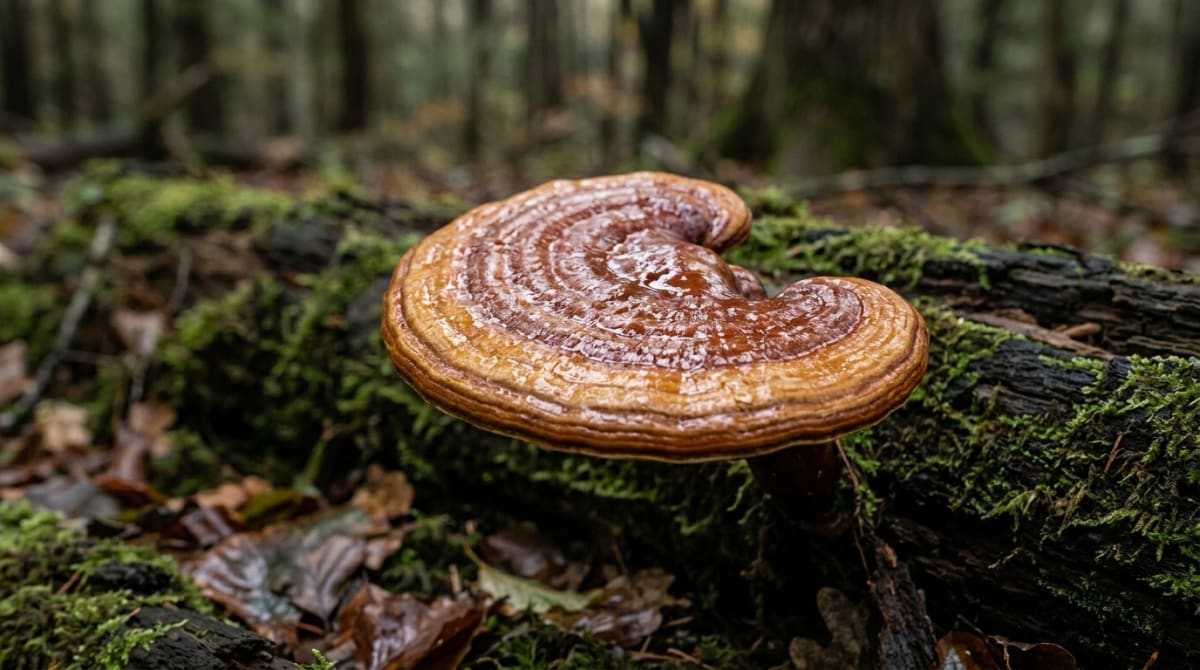
Most people assume all medicinal mushrooms do exactly the same thing. They buy a generic supplement expecting instant calm. They usually end up disappointed. When we tracked the chemical composition of commercial Reishi extracts against recent clinical data, we found that the results challenged a lot of the common assumptions folks make about medicinal fungi. You might expect the calming effects to come from standard polysaccharides, but they actually originate from distinct fat-soluble compounds called ganoderic acids. These molecules are the exact reason Reishi tastes intensely earthy-bitter and makes you feel heavy-lidded after a long day. A 2024 animal study in Heliyon proved this connection. Researchers found that high-triterpene Reishi preparations cut sleep latency almost in half, while extending total sleep time from eighty-eight minutes to well over one hundred and fifty minutes. This is a targeted physical response. The acids bind directly to receptors in the body to downregulate stress. We will break down how these compounds actually work in the body.
Key Takeaways
- 1Ganoderic acids are fat-soluble triterpenes found only in the Ganoderma mushroom family.
- 2These compounds drive the sleep and stress-reduction benefits associated with Reishi.
- 3A highly bitter taste indicates a strong concentration of active ganoderic acids.
- 4You must use a dual-extracted supplement to absorb these fat-soluble molecules.
What Exactly Are Ganoderic Acids
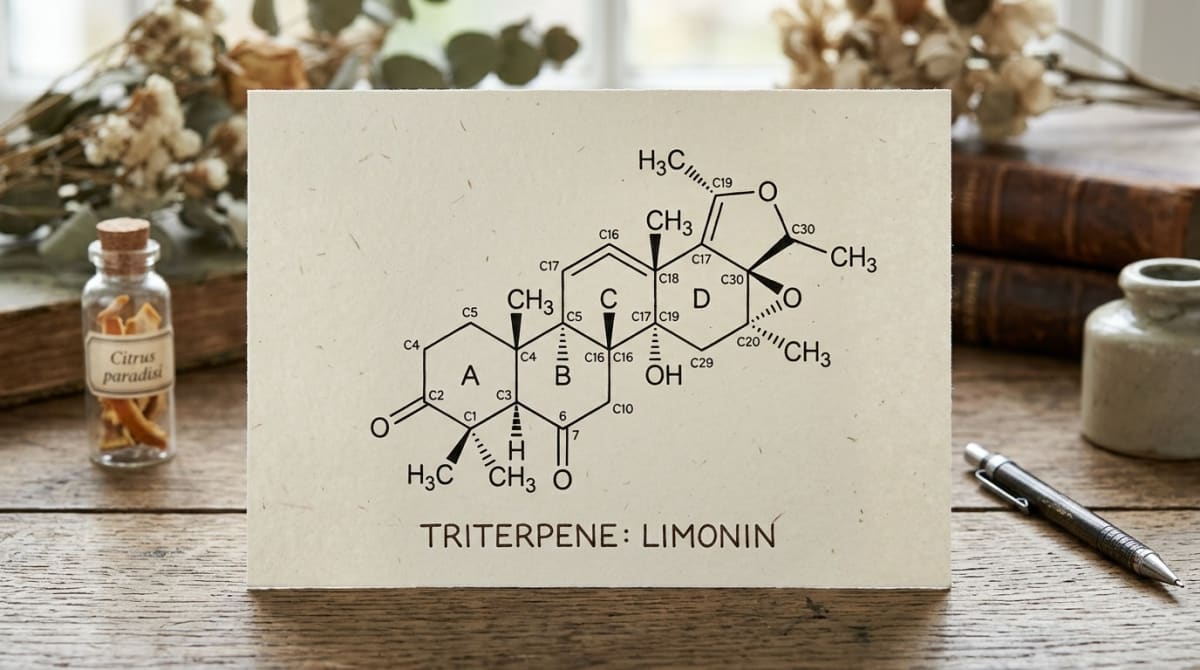
Ganoderic acids are triterpenes. You will only find these specific molecules in fungi from the Ganoderma genus, which includes the famous Reishi mushroom. Fungi originally produce them as a biological shield against environmental threats in the wild. When we consume them in a properly prepared extract, they act as chemical off-switches for overactive stress pathways.
They are fat-soluble lipids. This structural detail dictates everything about how they work. Because they dissolve in fat rather than water, they pass right through cell walls and interact directly with the nervous system and liver without getting rapidly destroyed in the digestive tract. They easily cross biological barriers that water-based compounds simply cannot penetrate.
This lipid structure also gives Reishi its notorious flavor profile. A 2025 review in Food Science and Nutrition confirmed a direct relationship between taste and medicinal potency. The intensity of the bitter bite frequently mirrors the exact concentration of ganoderic acids present in the raw mushroom. A sharp extract is a strong extract. The worse it tastes on the tongue, the better it performs internally. If a supplement goes down like mild tea or has a sweet finish, it lacks the necessary compounds. You are just drinking mushroom-flavored water.
The Difference Between Triterpenes and Beta-Glucans
Mushroom chemistry often confuses first-time buyers. You really need to understand the difference between beta-glucans and triterpenes to pick the right product for your routine.
Beta-glucans are massive structural sugars packed inside tough fungal cell walls. They dissolve completely in water. Think of these compounds as practice targets for white blood cells. They train the immune system to respond faster to passing threats without triggering a full-blown inflammatory reaction. Hot water melts the cell walls and releases these immune-supporting sugars into the liquid.
Triterpenes operate on a totally different level. Ganoderic acids are tiny, highly mobile molecules. They do not build cell walls. Instead they sit deep inside the actual mushroom flesh and are heavily concentrated inside the spores. While water-soluble beta-glucans act like practice targets that focus exclusively on training the immune system, fat-soluble ganoderic acids handle the complex job of managing hormones and quieting the nervous system directly. The body needs both mechanisms. The water-soluble sugars keep immune defenses sharp, while the fat-soluble acids keep stress hormones quiet. Taking an extract missing either component means missing out on the mushroom's true potential. We cover why this matters in detail in our dual extraction vs. hot water extraction comparison.
The Health Benefits of Ganoderic Acids
The physical effects go way beyond simple relaxation. They fundamentally alter how the human body processes daily wear and tear.
Stress and Sleep Regulation
These compounds rewire our baseline stress response - something we explore in depth in our Reishi for stress relief guide. We reviewed the 2024 Heliyon study tracking mice over a fourteen-day period to measure physiological changes in rest patterns. The researchers testing different Reishi preparations found that the subjects taking high-triterpene extracts saw their sleep latency drop from nearly seven minutes to just four, while their total sleep duration spiked from eighty-eight minutes to over one hundred and fifty. They also measured major drops in muscle oxidative stress markers like malondialdehyde. The compounds calm the racing brain while simultaneously helping physical tissues recover from daily exertion. The nervous system finally gets the signal to rest.
Brain and Nerve Protection
Chronic stress causes actual physical damage to the brain over time. This is neuroinflammation. High cortisol levels and constant anxiety actively degrade the delicate protective layers wrapped around nerve cells. Ganoderic acids step in to block the chemical signals that trigger this inflammatory damage. The 2025 Food Science and Nutrition review showed that they protect nerve cells from breaking down under intense pressure. They stop rogue immune cells from attacking healthy brain tissue during periods of extreme high stress, while the active triterpenes lay down a defensive chemical coating over neural pathways. This preserves cognitive function over time.
Liver Defense and Metabolic Support
The liver processes every single toxin we encounter. Ganoderic acids act as a biological shield for this organ. They stop liver cell degeneration. They also help surrounding tissue process dietary fats much more efficiently. This protective action helps the body clear out lingering waste products and circulating toxins long before they can trigger systemic inflammation across other major organ systems. By keeping the liver functioning at a healthy baseline, the triterpenes prevent the slow buildup of metabolic waste that usually drives chronic daytime fatigue.
Affiliate Disclosure: Mushroom Health Hub earns commissions from qualifying purchases made through links on this page. This supports our lab testing and does not affect our recommendations. We only recommend supplements that pass our quality standards. Learn more
How to Take Reishi for Ganoderic Acid Benefits
The extraction method completely dictates whether the daily dose actually contains any ganoderic acids. Hot water alone fails here.
Water extracts pull out the beta-glucans perfectly well. But water cannot dissolve fats. Because ganoderic acids are extremely liposoluble, boiling the raw mushroom material in water leaves all those valuable calming compounds permanently trapped inside the discarded fungal pulp that gets thrown away. A dual extract is mandatory. This means the manufacturer used hot water for the structural sugars and strong alcohol to pull out the bitter triterpenes. The two resulting liquids are then combined and carefully dried into a final powder.
We recommend two grams daily of a high-quality dual extract. Our organic Reishi mushroom extract powder supplement uses this exact dual-extraction method to guarantee maximum clinical potency. You can mix the powder right into warm water or black coffee. The sharp, earthy bitterness actually pairs exceptionally well with dark roasts.
Timing really matters for these distinct compounds. Because they actively lower cortisol and prepare the nervous system for deep rest, take the dose in the late afternoon or early evening. Morning doses won't cause any harm, but they might induce a bit too much relaxation right in the middle of a busy workday. Give the compounds a few solid weeks to build up in the system. The sleep benefits compound over time as baseline cortisol levels drop. See our guide on taking Reishi powder for sleep for evening-specific timing protocols.
Limitations and Side Effects
Ganoderic acids are powerful active molecules. They require respect.
The most common side effect we see is mild digestive upset during the first few days of supplementation. This usually resolves on its own as the gut microbiome adjusts to digesting the new fungal compounds. Taking the extract alongside a small amount of food can easily prevent this initial discomfort.
These triterpenes can also slightly thin the blood. Research suggests they reduce platelet aggregation to support overall cardiovascular health. This is a great positive effect for healthy individuals. However, it becomes a serious risk for patients taking prescription blood thinners or anticoagulant medications. Stop taking Reishi at least two weeks before any scheduled surgery to prevent excessive bleeding.
Always consult a doctor before starting a new supplement protocol if you manage a bleeding disorder or take blood pressure medication, because the mushroom itself can lower blood pressure and might compound the effects of prescription drugs. Pregnant or nursing women should avoid high-dose extracts out of an abundance of caution, as large-scale safety trials for these groups do not yet exist.
Frequently Asked Questions

A dedicated wellness researcher who spent decades cataloging the impact of forest-based nutrition on human aging. Ashley doesn't care about trends; she cares about the data.
References & Further Reading
- The anti-fatigue and sleep-aiding effects vary significantly among different recipes containing Ganoderma lucidum extracts — Heliyon (2024)
- A Review of Bioactive Components and Pharmacological Effects of Ganoderma lucidum — Food Science & Nutrition (2025)