 Mushroom Health Hub
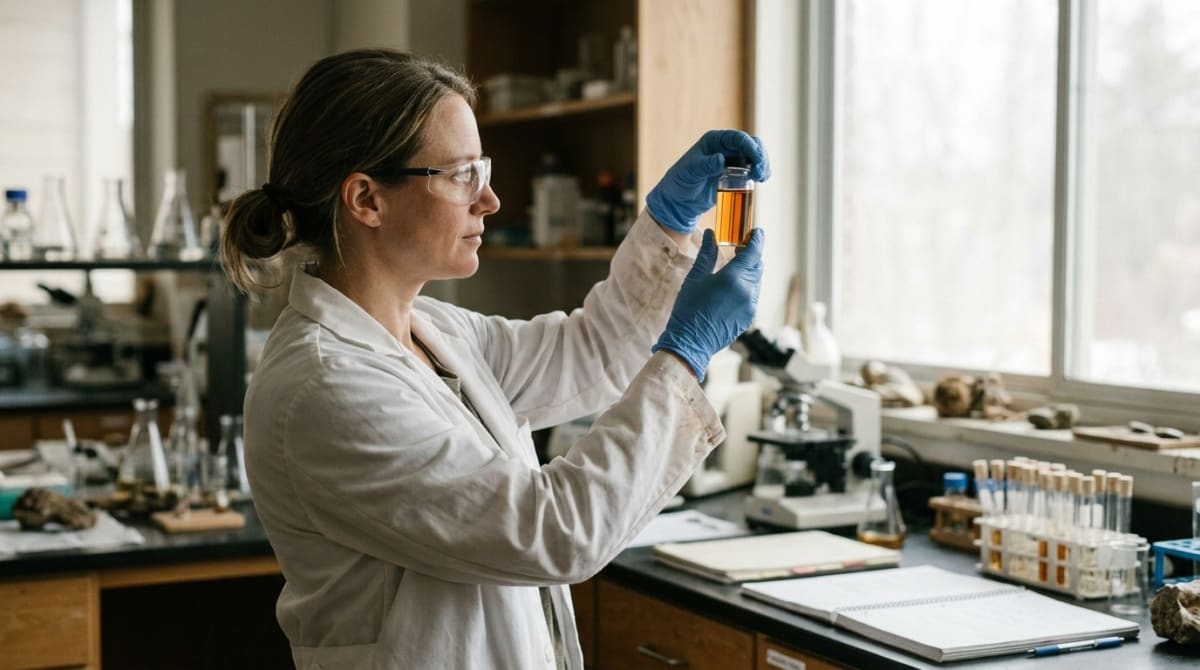
Most of us grab standard antihistamines the second an immune system flares up. It makes sense. We tracked the latest immunological data on functional mushrooms and mast cell activation syndrome (MCAS) to see if fungi offer an alternative route. The clinical evidence shows a highly divided reality. Some fungal extracts calm hyper-reactive immune responses. Others might actually provoke them.
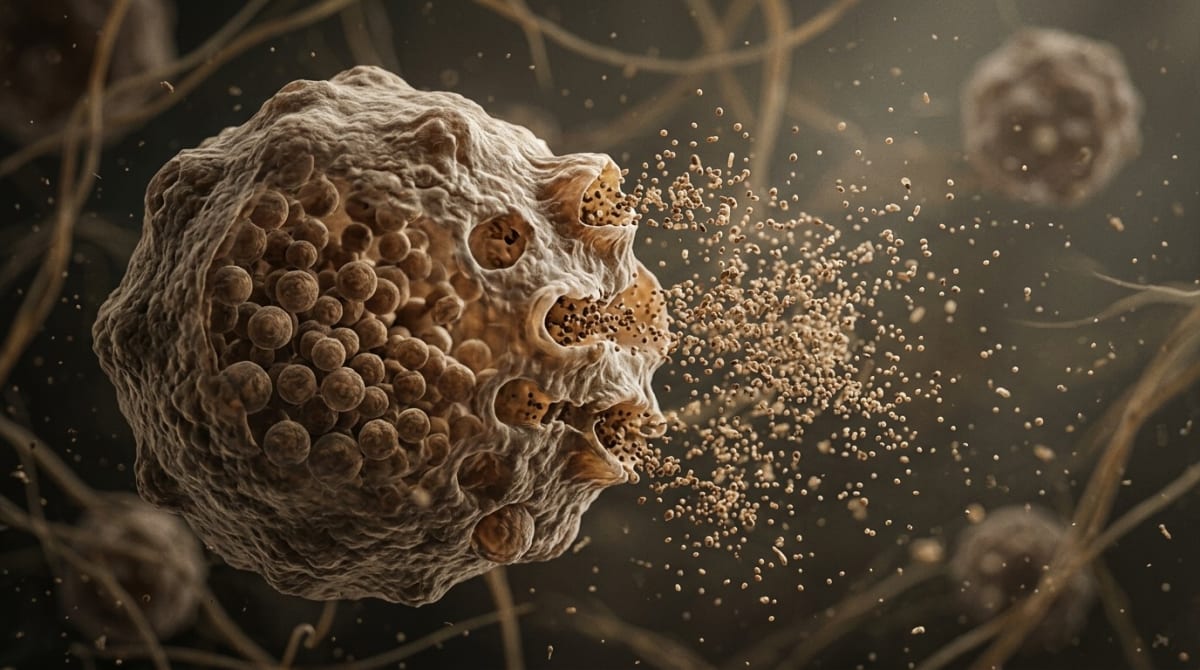
Mast cells act like tissue-level alarm bells. They sit quietly in the body until they detect a threat and burst open to release histamine. People managing MCAS have faulty alarms that dump chemicals constantly. A 2024 review in the journal Cells demonstrated that specific plant and fungal compounds can block this exact bursting process, stopping the runaway inflammation that causes so much daily physical misery for patients by intercepting the signal before the cell membrane ever breaks.
We reviewed peer-reviewed trials analyzing how fungal molecules interact with these volatile immune cells. The data points heavily toward reishi and cordyceps for immune modulation. Extraction methods dictate everything here. Chemistry matters.
Key Takeaways
- 1Reishi triterpenoids suppressed mast cell histamine release in lab studies, while polysaccharide fractions from the same mushroom did not.
- 2A fermented Cordyceps militaris extract strongly suppressed IgE-mediated mast cell activation in mice.
- 3Extraction method determines which compounds reach the supplement — dual-extraction captures both beta-glucans and triterpenoids.
- 4Lion's mane may indirectly trigger mast cells in sensitive individuals via Nerve Growth Factor stimulation.
How Fungi Interact With Mast Cells
Picture mast cells as microscopic water balloons filled with inflammatory chemicals. When an allergen enters the system it binds to surface immunoglobulin E antibodies. This sends an intense warning signal into the core to dump the histamine payloads. The resulting flood triggers the swelling and brain fog. Fungi intervene early in this biological cascade. Certain molecules bind to the cellular receptors and block the initial signal from registering. The mast cell stays intact. The histamine stays inside.
Fungi produce two main categories of compounds that dictate immune function. Beta-glucans are large carbohydrates built into the cell walls. Triterpenoids are earthy-bitter, fat-soluble molecules tucked inside the mushroom body. These two components perform completely different biological jobs. Beta-glucans train the white blood cells to actively hunt down invading pathogens. Triterpenoids step in to halt excessive tissue inflammation.
If we trace the cellular pathways we find that triterpenoids prevent the calcium influx required for a mast cell to burst, meaning the cell simply cannot gather the biological energy needed to push the massive load of stored histamine out into the sensitive bloodstream. This mechanical block drives the clinical interest in fungal chemistry. Triterpenoids essentially patch the leaky walls of hyper-reactive immune cells. Mast cell boundaries hold deep reserves of these irritating mediators. Clinical trials now focus entirely on keeping these delicate cell borders intact.
The Evidence for Reishi and Cordyceps
Reishi holds the most clinical promise for calming an overactive immune system. The fat-soluble triterpenes hidden inside the fruiting body act as direct dampeners. A 2015 study in Evidence-Based Complementary and Alternative Medicine tested different fractions of Ganoderma tsugae on allergic responses to see what actually worked. The researchers found that the triterpenoid extracts successfully suppressed mast cell degranulation, whereas the polysaccharide fractions from the exact same mushroom promoted entirely different immune activities that might not help an allergy patient at all.
This split effect makes extraction methodology the primary factor for MCAS support. Fungi construct their cell walls out of tough chitin. Human stomachs cannot digest it. Supplement manufacturers have to use extraction techniques to pull the target molecules out of the raw material. Hot water pulls out the water-soluble beta-glucans. Alcohol draws out the fat-soluble triterpenoids. Taking a basic hot water brew of reishi misses the mast-cell-stabilizing compounds entirely.
We see this distinction clearly in the clinical data. A hot water extract provides zero mast cell protection. A pure alcohol tincture provides zero beta-glucans. A true dual-extract uses both liquids to capture the full spectrum of molecules. The processing guarantees that both the immune-training carbohydrates and the protective triterpenes survive the journey into the final bottle.
Cordyceps shows similar calming potential through a different pathway. A 2021 study published in the journal Nutrients tracked mice with type I hypersensitivity using Cordyceps militaris fermented with lactic acid bacteria. The data revealed that the fermented extract strongly suppressed immunoglobulin E-mediated mast cell activation. Swelling dropped. Localized inflammation subsided faster in the treated subjects.
Fermentation pre-digests the tough fungal tissue. The bacteria break down the rigid cellular structures to release the cordycepin, which is the primary component in cordyceps that blocks inflammatory signals before they escalate. The 2021 trial showed this fermentation process measurably increased the total cordycepin content.
How to Take Mushrooms for MCAS
We always tell people to match the mushroom form to their specific biological goal. Buy a dual-extracted reishi tincture or powder if you want actual mast cell support. The label must explicitly state that alcohol was used during the extraction process, because powders that only list a hot water extract completely lack the fat-soluble triterpenes required to keep the mast cell membrane intact during a severe allergy flare.
Affiliate Disclosure: Mushroom Health Hub earns commissions from qualifying purchases made through links on this page. This supports our lab testing and does not affect our recommendations. We only recommend supplements that pass our quality standards. Learn more
Start slow. Track the physical responses daily. A standard starting dose for a reishi dual-extract sits around 500 milligrams. Take it in the evening. Reishi carries a mild sedating effect that pairs nicely with the natural drop in cortisol before bed.
Cordyceps extracts work best in the morning to offset the afternoon energy crash so common with MCAS. Keep the daily dose near 1,000 milligrams. Look for brands that list the exact cordycepin percentage directly on the certificate of analysis, since a level of 0.3 percent or higher indicates a truly clinical-grade extract. Mix the powders into warm water or a safe low-histamine tea. The Real Mushrooms organic reishi dual extract lists both extraction methods on the label and publishes a certificate of analysis.
Important Limitations and Risks
Not all medicinal mushrooms are safe for a highly reactive immune system. Some species trigger aggressive flares. Lion's mane increases the production of Nerve Growth Factor in the brain. Mast cells both create and respond to this exact growth factor. We see many patients dealing with severe histamine issues report that lion's mane causes immediate symptom relapses, likely because the elevated growth factor signals the mast cells to dump their inflammatory payloads right into the surrounding tissue.
Stop taking any mushroom supplement if the resting heart rate spikes or the skin flushes. Fungal chemistry alters the immune system in complex ways. A compound that stabilizes an isolated cell in a petri dish might provoke an entirely different reaction in a living human body. Pregnant women and anyone taking blood thinners must avoid concentrated mushroom extracts entirely. The active compounds slow blood clotting and interfere with prescribed medications.
Frequently Asked Questions

A dedicated wellness researcher who spent decades cataloging the impact of forest-based nutrition on human aging. Ashley doesn't care about trends; she cares about the data.
References & Further Reading
- Lactic Acid Bacteria Fermented Cordyceps militaris (GRC-SC11) Suppresses IgE Mediated Mast Cell Activation and Type I Hypersensitive Allergic Murine Model. Nutrients 2021 — Nutrients (2021)
- Triterpenoids and Polysaccharide Fractions of Ganoderma tsugae Exert Different Effects on Antiallergic Activities. Evid Based Complement Alternat Med 2015 — Evid Based Complement Alternat Med (2015)
- Effect of Small-Molecule Natural Compounds on Pathologic Mast Cell/Basophil Activation in Allergic Diseases. Cells 2024 — Cells (2024)