 Mushroom Health Hub
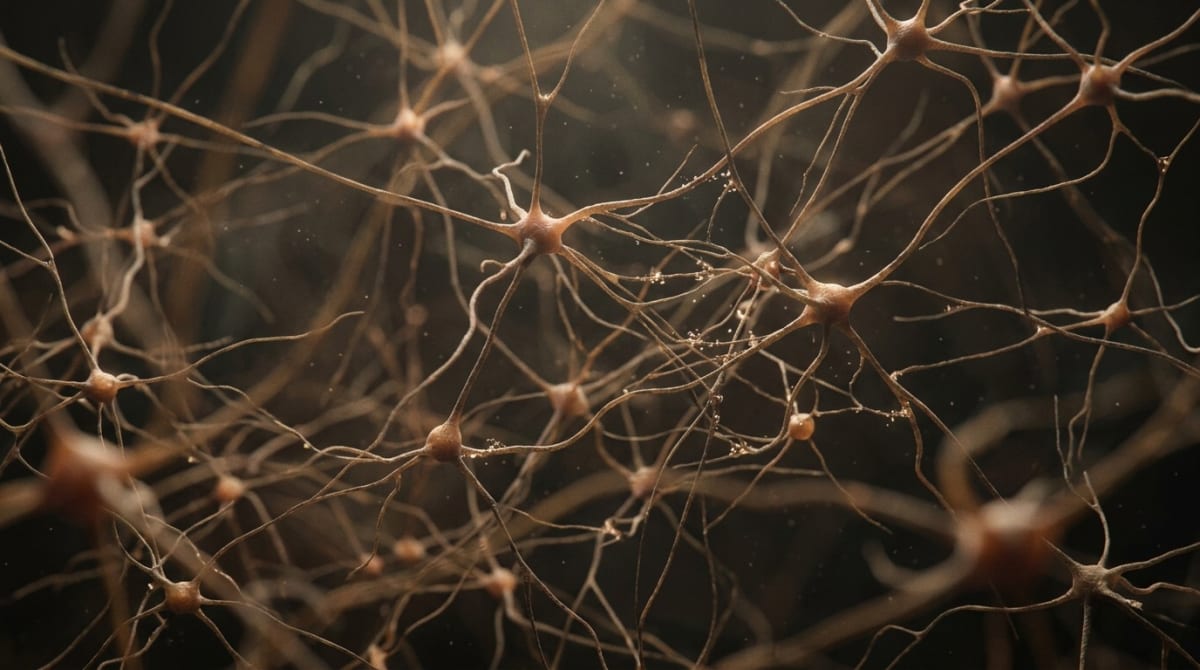
Most supplement brands claim the erinacines in lion's mane mushroom cross the blood-brain barrier and boost brain function. We went back to the original studies to see what has actually been shown.
Short answer. In rats, one erinacine was found in the brain after oral dosing. In people, no study we found has measured it there. The human trials of erinacine-enriched mycelium are real but small, and they test a whole extract, not a single molecule.
Marketers often present rat findings as human facts. The theory sounds neat in a sales pitch. The evidence is thinner, and we think readers deserve to see where it stops.
Key Takeaways
- 1A 2021 rat study detected erinacine A in brain tissue after oral dosing, and its authors proposed passive diffusion as the route.
- 2We found no study showing that erinacines reach the human brain, so the human claim is still unproven.
- 3Two small pilot trials of erinacine A-enriched mycelium reported cognitive findings, but both tested a whole extract and neither can confirm how it works.
- 4Look for labels that state the amount of erinacine A, and talk to your doctor before trying it.
The blood-brain barrier mechanism
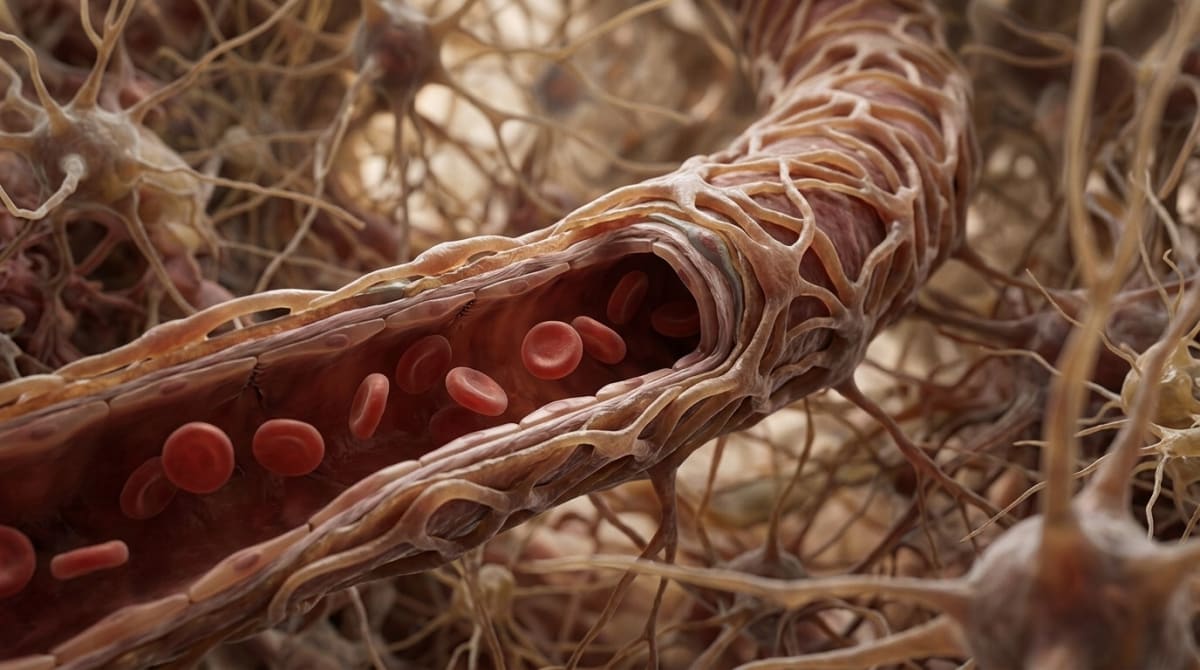
The brain sits behind a selective filter. Tightly packed cells line its blood vessels and let nutrients through while holding back many toxins and large molecules. Plenty of mushroom compounds, including big ones like polysaccharides, are not expected to cross.
Brands often say erinacines slip through anyway. Their case rests on one rat study. In 2021, researchers in the journal Molecules gave Sprague-Dawley rats a lion's mane mycelium extract by mouth, equal to 50 mg per kilogram of body weight of erinacine A. They found erinacine A in brain tissue one hour after dosing, with levels peaking at eight hours. Absolute bioavailability was about 24 percent. Because the unbound erinacine A in brain and blood was close to equal, the authors concluded passive diffusion is the main route.
That is a useful result. It is also rat data. Rats differ from people in metabolism and barrier biology, and we cannot take brain samples from healthy volunteers to check. When a label says a product stimulates growth factors inside your brain, it is describing a hypothesis, not a measured outcome.
The human evidence on cognition
Human trials look at outcomes, not brain levels. When we searched for trials of erinacine-enriched mycelium and cognition, we found two.
The first was a 2020 trial in Frontiers in Aging Neuroscience. It enrolled people with mild Alzheimer's disease and gave them either three 350 mg capsules of erinacine A-enriched mycelium a day (each gram holding 5 mg of erinacine A) or a placebo for 49 weeks. Forty-one people completed it. The authors reported a drop in one screening score in the placebo group, an improvement in another in the lion's mane group, and a difference between groups on a daily-living scale. They also reported better contrast sensitivity in the treatment group. The trial involved diagnosed patients, so it says nothing about healthy adults.
The second was a 2024 pilot in the Journal of Functional Foods. It was a randomized, double-blind, placebo-controlled trial of erinacine A-enriched lion's mane and cognition, run for eight weeks in healthy adults. We could confirm the design and title from the journal record but could not pull the full results, so we are not quoting its numbers here. Read the paper before leaning on it.
Even taken at face value, these results are early. Both studies were small pilots. Both tested a whole enriched extract, so we cannot credit erinacine A alone for any change. Neither showed that erinacines reached the brain. Improvements on a test do not prove a mechanism.
We also lack comparisons. No trial we found pits an erinacine-enriched extract against ordinary mycelium or fruiting body products. The evidence is a set of signals that justify bigger trials. It does not support claims that erinacines repair nerve damage.
What the trials used
Dosing across the industry is not standardized, so the trials are the best guide to what has been studied. The 2020 trial used three 350 mg capsules daily, which works out to roughly 5 mg of erinacine A per day, for 49 weeks. That is what was tested in that group, not a recommendation.
Source matters for anyone shopping. Erinacines are found mainly in the mycelium, while the fruiting body holds hericenones instead. A product made only from mushroom caps is not an erinacine product. Some mycelium products are grown on grain and sold with the grain still in them, which dilutes the fungal content. A label that states a measured percentage of erinacine A tells you more than one that does not.
Do the effects need time? The trials ran for weeks to nearly a year, so a single dose has not been tested for cognition in these studies.
Limitations and side effects
Scale is the biggest limit. Small pilot trials often look better than larger ones that follow. We need larger, independent, longer studies before anyone can claim a human benefit.
On safety, the 2020 trial reported that four participants dropped out because of abdominal discomfort, nausea, or skin rash, and no other adverse events were reported. We found no safety data past about a year. If you have a known allergy to fungi, take medication, or have a neurological condition, talk to your doctor first.
We still do not know the best dose, whether healthy adults gain anything over the long run, or whether erinacine-enriched extracts beat cheaper products. Until independent trials answer those, treat the blood-brain barrier claim as an open question, not a settled fact.
Frequently Asked Questions

A dedicated wellness researcher who spent decades cataloging the impact of forest-based nutrition on human aging. Ashley doesn't care about trends; she cares about the data.
References & Further Reading
- Prevention of Early Alzheimer's Disease by Erinacine A-Enriched Hericium erinaceus Mycelia Pilot Double-Blind Placebo-Controlled Study. Front Aging Neurosci 2020 — Front Aging Neurosci (2020)
- Preclinical Bioavailability, Tissue Distribution, and Protein Binding Studies of Erinacine A, a Bioactive Compound from Hericium erinaceus Mycelia Using Validated LC-MS/MS Method. Molecules 2021 — Molecules (2021)
- Effect of erinacine A-enriched Hericium erinaceus supplementation on cognition: A randomized, double-blind, placebo-controlled pilot study. J Funct Foods 2024 — J Funct Foods (2024)