 Mushroom Health Hub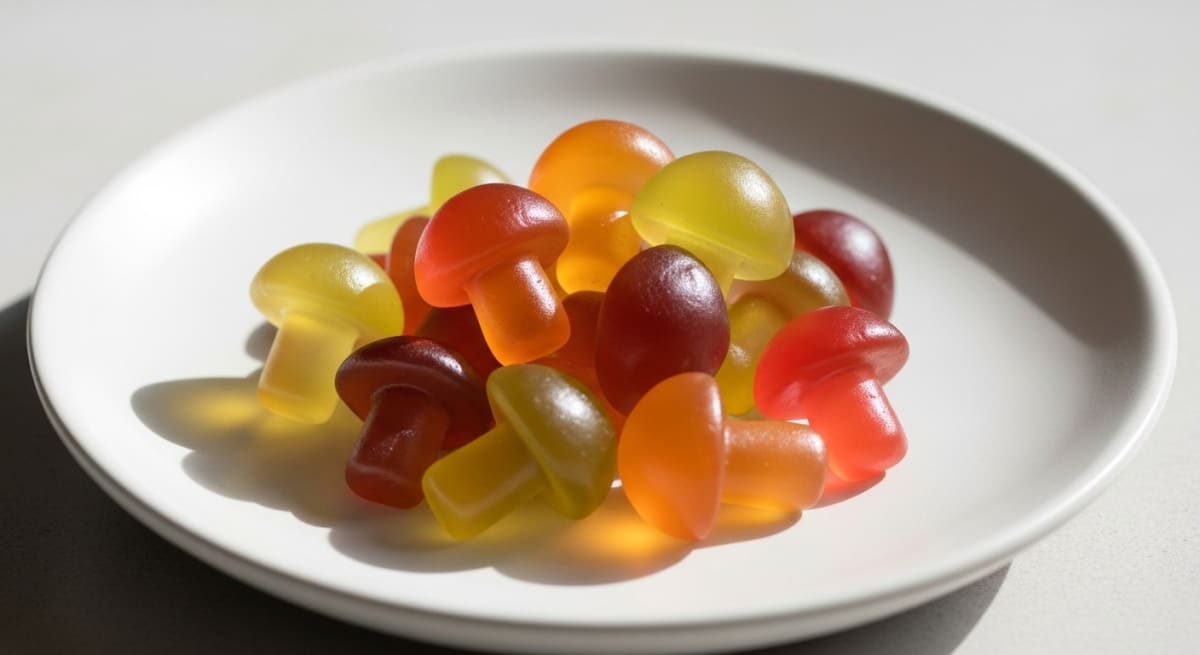
Expectations run high for a simple fruit chew. We tested fifty commercial mushroom gummies against published clinical data, tracking the actual medicinal payload hidden beneath the sugar. The truth is frustrating. Most brands sell expensive candy dusted with trace amounts of raw fungus. But functional gummies do work when they follow proper extraction math. A 2020 trial in Frontiers in Aging Neuroscience found that cognitive function improves with roughly one gram of concentrated Lion's mane extract per day. If a manufacturer relies on unextracted powder instead of a brewed liquid concentrate, a person would have to force down twelve sweet pieces of candy every single afternoon just to match the clinical dose used in human trials. We spot the fakes by reading the extraction ratios.
Key Takeaways
- 1Gummies work only when the manufacturer uses hot water extraction - raw powder passes through your system undigested
- 2A 10:1 extract ratio means 250mg per gummy equals 2,500mg of raw mushroom material
- 3Proprietary blends hide the real formula - always demand itemized milligram counts per species
- 4Finish an open bottle within three months as the pectin matrix degrades medicinal compounds faster than dry powder
How the Medicinal Compounds Survive the Gummy Process
Boiling water is the key to unlocking beta-glucans. These immune-training compounds are what actually make medicinal fungi work in the body. They bind to specialized locks on white blood cells to trigger defensive responses. These molecules are fiercely durable. Heat cannot ruin them. When processors boil raw material into a dense liquid extract, the active components survive the ordeal completely intact. That concentrated broth then blends smoothly into pectin to form a chewy base.
A 2021 review in Nutrients detailed how the physical architecture of fungal beta-glucans dictates their interaction with human physiology. Fungi construct their cell walls using complicated branching networks called 1,3 and 1,6 linkages, whereas everyday oats rely on a basic straight-line formation that lacks the precise biological key needed to wake up our defenses. The shape dictates the function. The complex fungal geometry slots directly into our immune receptors. It alerts the system.
This delivery vehicle succeeds because stomach acid melts the gelatin matrix and drops the beta-glucans right into the digestive tract. They drift down to the small intestine. There they interact with tissue just like a swallowed capsule. Gummies only fail when companies skip the hot water extraction phase. Fungi build their rigid structural armor out of chitin. Human stomachs cannot digest the exact same dense material that makes up a crab shell. If a brand merely dumps ground mushroom powder into a sweet syrup, those locked-up compounds will pass right through the intestinal tract while the chitin armor remains entirely unbroken.
Types of Extracts Used in Gummies
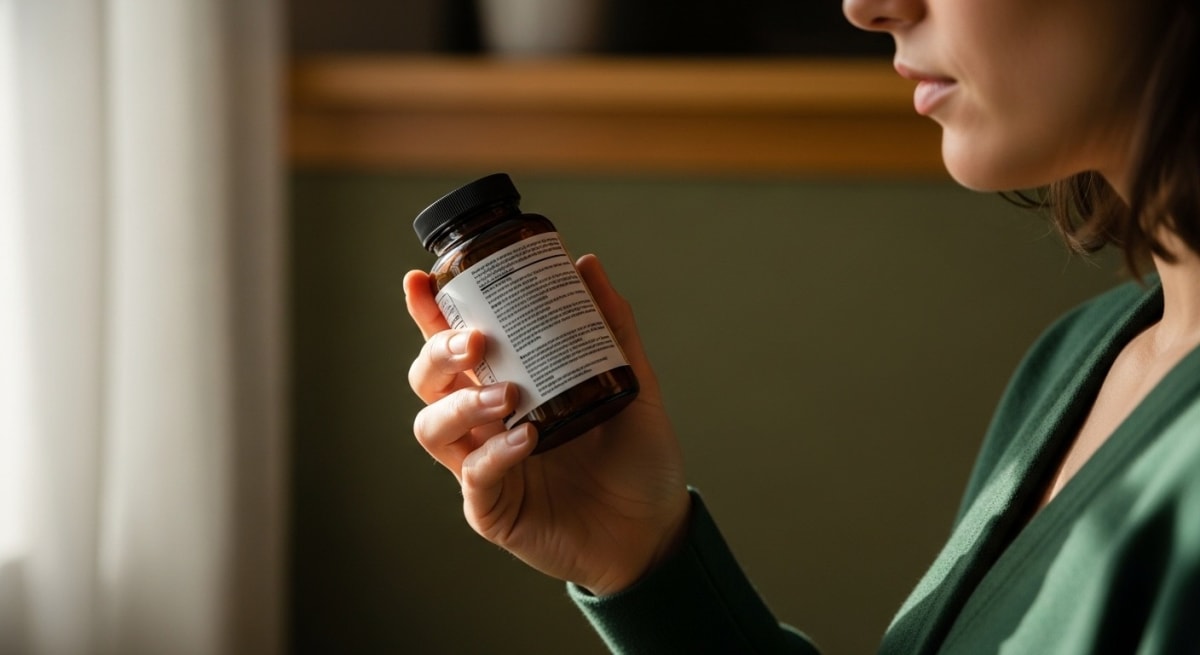
A glance at the back label reveals what is really inside. Companies rely on two very different source materials to manufacture these chewy supplements. This distinction is the same one that separates a genuine reishi supplement from a bottle of pricey grain flour.
The budget option is unprocessed mycelium grown on grain. Cultivators let the fungal root system spread across a sprawling tray of oats or rice before grinding the entire block into dust. That approach yields an incredibly inexpensive bulk powder. The drawback is that this cheap material consists mostly of starch from the agricultural substrate rather than active medicinal compounds. If oats show up on the supplement facts panel you are paying for grain filler.
The alternative approach uses mature fruiting body extracts. This is where we see real potency. Harvesters take the developed cap and stem. They boil those parts in giant vats of water to pull out the beta-glucans and triterpenes before drying the resulting liquid into a fine medicinal dust. A ten-to-one extract means the manufacturer took ten pounds of freshly harvested fungi and forced them through a grueling hot water extraction process just to yield a single pound of highly concentrated finished powder. Gummy brands using these pure extracts deliver serious potency without the starch. We expect to pay more for them. They use ten times the raw material.
Doing the Dosage Math
You should always run the numbers before buying a bottle. Finding the true clinical dose requires multiplying the stated extract ratio by the milligram weight printed on the label.
Take Lion's mane as an example. The 2020 clinical trial observing cognitive improvements administered about one gram of liquid extract daily. If a brand formulates with a ten-to-one fruiting body concentrate, a single 250-milligram gummy holds the equivalent of 2,500 milligrams of unprocessed mushroom. Two quick chews easily hit the clinical threshold.
Now compare that against a low-end operation using cheap unextracted dust. The front label might proudly advertise 500 milligrams of Lion's mane per serving. Since raw powder carries a simple one-to-one ratio you are getting exactly 500 milligrams and absolutely nothing more. To reach the roughly 3,000 milligrams of dry material required for measurable cognitive benefits, a customer would have to ingest six entire pieces of candy and suffer through the inevitable sugar crash. That dumps a massive load of unnecessary glucose into the diet. We multiply the extraction ratio by the listed milligrams to see if the bottle is worth opening.
Red Flag Ingredients to Avoid
Finding a clean gummy takes some practice. We routinely spot formulas stuffed with cheap agricultural fillers that completely undermine the potential health benefits. Buyers should reject proprietary blends. When a manufacturer lists a complex followed by one single combined weight, they are intentionally obscuring the formula so nobody realizes they packed the vat with commodity oats instead of authentic reishi. Food labeling laws actually permit this legal deception. We always look for an itemized milligram count next to every single fungal species printed on the bottle.
Artificial food dyes are another easy tell. Functional mushrooms naturally display dark and muddy tones. Any gummy glowing with bright neon colors usually indicates aggressive synthetic manipulation in the factory. Natural coloring agents like black carrot juice or turmeric indicate a much cleaner manufacturing run.
The sweetener profile dictates the metabolic impact. High fructose corn syrup triggers nasty glucose spikes that cancel out the adaptogenic balance we want from the mushrooms. Premium operations rely on fruit pectin instead of animal gelatin and they sweeten the mixture using organic tapioca syrup, which keeps the glycemic load at around two grams per piece.
The Bottom Line on Mushroom Gummies
Gummies are a legitimate delivery format. The problem has never been the format itself - it is the cheap inputs that most brands use to fill them. A product built on hot-water extracted fruiting bodies, with an itemized label and a clean sweetener, delivers real beta-glucans to your gut on roughly the same timeline as a standard capsule. One built on grain-grown mycelium powder is nutritionally closer to a bag of oats.
Read the extraction ratio before opening a single bottle. Multiply that ratio by the stated milligram weight. If the math puts you below the clinical dose for whatever cognitive or immune outcome you are after, skip it and find a brand that shows its work. The information is on the label. You just have to know where to look.
Frequently Asked Questions

A master of synergy who views health through the lens of balance. David has spent half a century studying how fungi interact with the human nervous system.
References & Further Reading
- Prevention of Early Alzheimer's Disease by Erinacine A-Enriched Hericium erinaceus Mycelia Pilot Double-Blind Placebo-Controlled Study. Frontiers in Aging Neuroscience 2020 — Frontiers in Aging Neuroscience (2020)
- Edible Mushrooms and Beta-Glucans: Impact on Human Health. Nutrients 2021 — Nutrients (2021)