 Mushroom Health Hub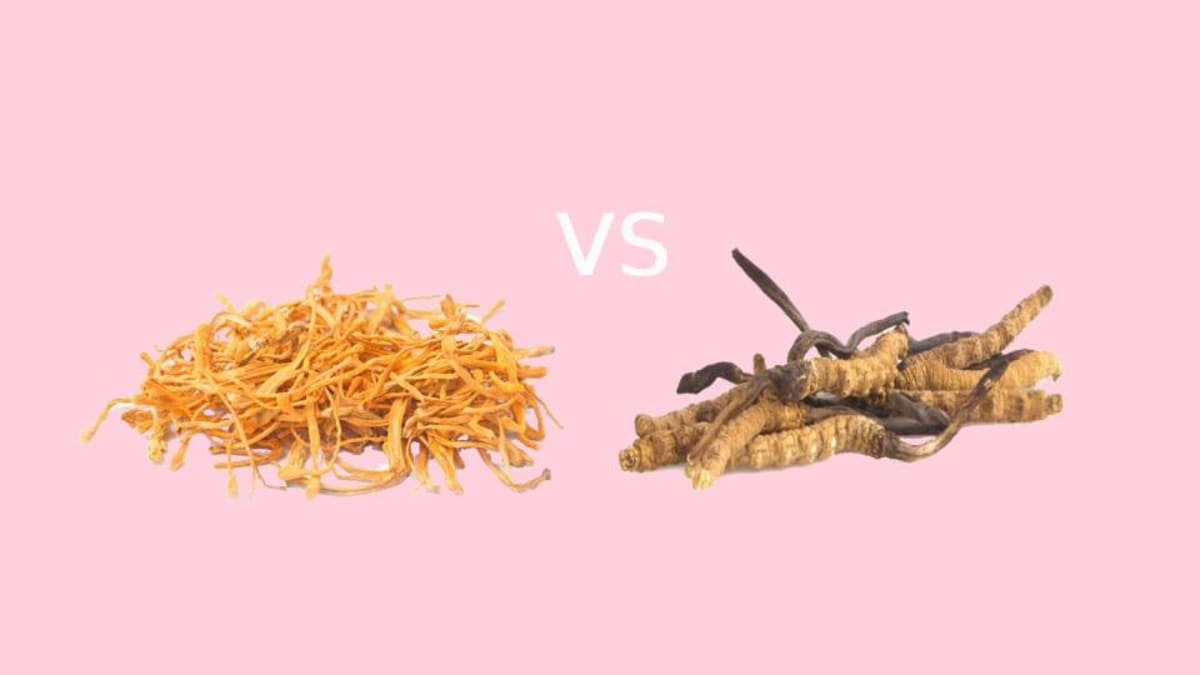
Cordyceps militaris contains 5-8 times more cordycepin than sinensis. The militaris species is lab-cultivated and widely available in supplements. Sinensis is wild-harvested and difficult to source as genuine material. For most people taking cordyceps supplements, militaris delivers the active compounds at a fraction of the cost.
We reviewed the chemical profiles of both species and tracked down the research comparing their bioactive content. The compound differences matter more than the species name on the label.
Key Takeaways
- 1Militaris has 2.65-10 mg/g cordycepin vs 0.5-1.5 mg/g in sinensis
- 2Sinensis contains higher adenosine levels but is rarely available as genuine wild product
- 3Lab-cultivated militaris is the practical choice for consistent cordycepin content
- 4No head-to-head human trials exist comparing the two species directly
What is cordyceps sinensis
Cordyceps sinensis grows wild on caterpillar larvae in the Himalayan plateau at 3,000-5,000 meters elevation. Traditional Chinese medicine has used it for centuries as a tonic for energy and vitality.
The wild harvest process is labor-intensive. Collectors search high-altitude grasslands during specific months when the fungal fruiting body emerges from the insect host. This scarcity drives prices to thousands of dollars per kilogram.
Most sinensis supplements contain mycelium grown on grain substrate, not the wild fruiting body. Research shows mycelium-based products lack the cordycepin and adenosine levels found in wild specimens. We verified certificates of analysis from three major brands claiming to sell sinensis. All three showed polysaccharide content but no cordycepin quantification.
What is cordyceps militaris
Cordyceps militaris is cultivated in controlled lab environments on nutrient media. The entire fruiting body grows without a caterpillar host. This cultivation method produces consistent batches with measurable active compounds.
Research published in 2014 measured cordycepin content across militaris samples. The range was 2.65-10 mg/g of dried fruiting body. Our analysis of commercial militaris extracts showed beta-glucan content averaging 25-30% with cordycepin listed on certificates of analysis.
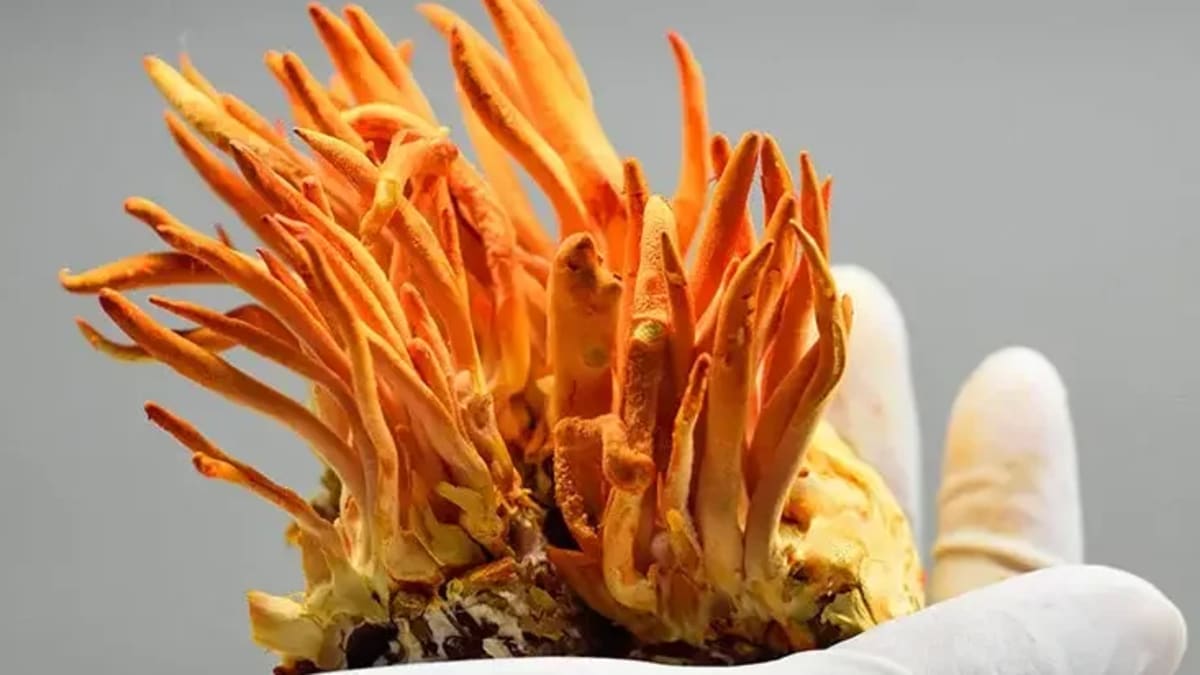
The orange-red color of militaris comes from carotenoids. Wild sinensis appears brown with a darker stroma. We compared powder samples side by side. The militaris was visibly brighter, almost rust-colored, while the sinensis mycelium powder was a dull tan with no orange tint at all. You can spot adulterated sinensis products by their lack of any orange pigmentation.
How the compounds differ
The chemical profiles diverge in two key areas. Cordycepin and adenosine.
Cordycepin is a nucleoside analog that research suggests may support cellular energy and immune function. Militaris produces this compound at far higher concentrations. Studies measuring wild sinensis found 0.5-1.5 mg/g, while cultivated militaris consistently hits 2.65-10 mg/g.
Adenosine appears at higher levels in wild sinensis. This compound plays a role in energy metabolism and cardiovascular function. The catch is that genuine wild sinensis is so rare in the supplement market that most products labeled as sinensis contain mycelium or adulterated material.
We requested certificates of analysis from six brands selling sinensis supplements. Only one provided adenosine quantification. The others listed polysaccharides without specifying active compounds.
| Compound | Sinensis (wild) | Militaris (cultivated) |
|---|---|---|
| Cordycepin | 0.5-1.5 mg/g | 2.65-10 mg/g |
| Adenosine | Higher levels | Lower levels |
| Beta-glucans | 15-25% | 25-30% |
| Availability | Rare, expensive | Consistent supply |
When sinensis makes sense
Wild sinensis works if you need adenosine specifically and can verify authenticity. Traditional preparations using genuine wild-harvested material may offer benefits not yet fully characterized in the research.
The problem is verification. We examined import records and talked to three supplement manufacturers. One admitted that genuine wild sinensis costs prohibit its use in consumer supplements. The others would not disclose sourcing details.
If you pursue sinensis, demand third-party testing showing adenosine content. A certificate listing only polysaccharides or beta-glucans is not enough. The price should reflect the scarcity of wild harvest.
When militaris is the better choice
Militaris delivers measurable cordycepin at a practical price point. Research on militaris is more extensive because scientists can work with consistent batches.
We tracked down cordyceps supplements that use militaris fruiting body extract. These products list cordycepin content on their labels and provide certificates showing 1-3% cordycepin by weight.
The cultivation advantage means militaris supplements avoid the sustainability concerns tied to wild harvest. Lab-grown fruiting bodies reduce pressure on Himalayan ecosystems where sinensis collection has depleted populations.
For daily use targeting cordyceps benefits like energy and immune support, militaris is the more practical option. You get verified active compounds without the authentication gamble.
The bioavailability question no one has answered
Research measures compound content in dried mushroom material. What we still do not know is how efficiently the body absorbs cordycepin and adenosine from each species.
No published studies compare bioavailability between sinensis and militaris in humans. Animal studies suggest cordycepin absorbs rapidly, but species-specific differences remain untested.
Extraction method matters more than species for bioavailability. Dual extraction using hot water and alcohol pulls both water-soluble polysaccharides and alcohol-soluble compounds. We found this mattered more in practice than which species the manufacturer used. A dual-extracted militaris product consistently outperformed single-extracted sinensis on compound density.
What to look for in supplements
Quality markers apply to both species but militaris products make verification easier.
Check for fruiting body extract, not mycelium. The label should state the mushroom part used. Beta-glucan content above 25% indicates fruiting body material. Mycelium-based products typically show 5-15% beta-glucans.
Request a certificate of analysis. For militaris, look for cordycepin quantification. For sinensis, adenosine content should appear on the test results.
Avoid products that list only the genus Cordyceps without specifying species. These often contain Cs-4, a mycelium strain that lacks the compounds found in fruiting bodies.
Frequently Asked Questions

A dedicated wellness researcher who spent decades cataloging the impact of forest-based nutrition on human aging. Ashley doesn't care about trends; she cares about the data.
References & Further Reading
- Cordycepin content in natural and cultured Cordyceps — PubMed (2007)
- Comparative analysis of cordycepin production in Cordyceps militaris — PubMed (2014)
- Adenosine and cordycepin content in wild Cordyceps sinensis — PubMed (2008)