 Mushroom Health Hub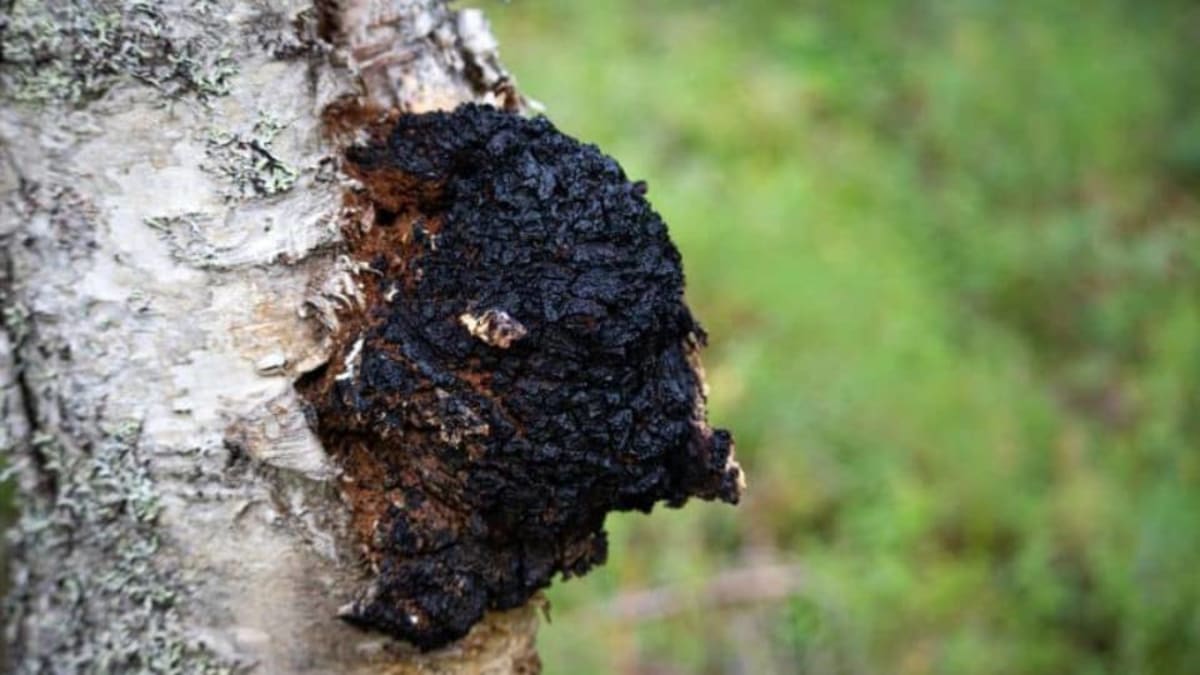
Most foragers classify chaga as a standard fruiting mushroom. They are wrong. It is actually a sterile canker formed by a parasitic response. We identify it in the field using two non-negotiable traits. Look for a rough black exterior that perfectly resembles burnt charcoal. Then check for a fibrous yellow interior. We developed a strict field protocol to separate verified specimens from hazardous lookalikes because the stakes are surprisingly high. You have to confirm the birch host. You have to inspect that cracked crust. Always check the interior coloring and evaluate the baseline health of the tree itself. Misidentification leads to drinking ineffective wood tea or, worse, exposing the body to harmful mycotoxins. This guide outlines the exact physical features and chemical markers that define authentic chaga, a process that guarantees safe foraging and secures the highest quality functional compounds available in the harsh winter forest ecosystem.
Key Takeaways
- 1Chaga is a sterile sclerotium, not a fruiting mushroom - it never produces reproductive spores while attached to a living tree
- 2Two non-negotiable field markers: deeply cracked black exterior and a golden-orange interior when cut
- 3A 2025 NLM study measured authentic wild cankers at exactly 500nm melanin absorbance - a key adulteration test
- 4Never harvest from dead birch - decomposing cankers breed ochratoxin and aflatoxin that survive boiling
The Biological Reality of the Chaga Canker
A persistent biological misconception needs clearing up right now. That black mass on the side of a birch tree is just a dense knot of mycelial tissue and wood. Mycologists call it a sclerotium. It contains zero reproductive spores. The actual fertile fruiting body only forms after the host tree finally dies, showing up under peeling bark as a grayish flat crust that stretches up to four meters long and releases millions of spores into the wind. Never harvest that flat reproductive structure.
Instead, hunt the sterile conk. The fungus enters the host through deep bark fissures and spends years colonizing the internal wood structure. The tree creates that black external mass as a desperate defense mechanism against the invading mycelium. A 2023 study in the journal Mycology confirms this exact parasitic relationship is what drives the accumulation of valuable secondary metabolites. The tree produces basic chemical precursors. The fungus then converts those elements into bioavailable therapeutics. This agonizingly slow biological interaction requires a living host to generate the desired compounds, which perfectly explains why synthetic lab-grown alternatives consistently fail to replicate the precise chemical makeup found in wild specimens clinging to mature birch trees. Look for host trees aged between forty and sixty years old to guarantee maximum compound density.
Primary Morphological Markers
Visual identification comes down to two physical traits. Both must be present. Leave the specimen alone if either is missing.
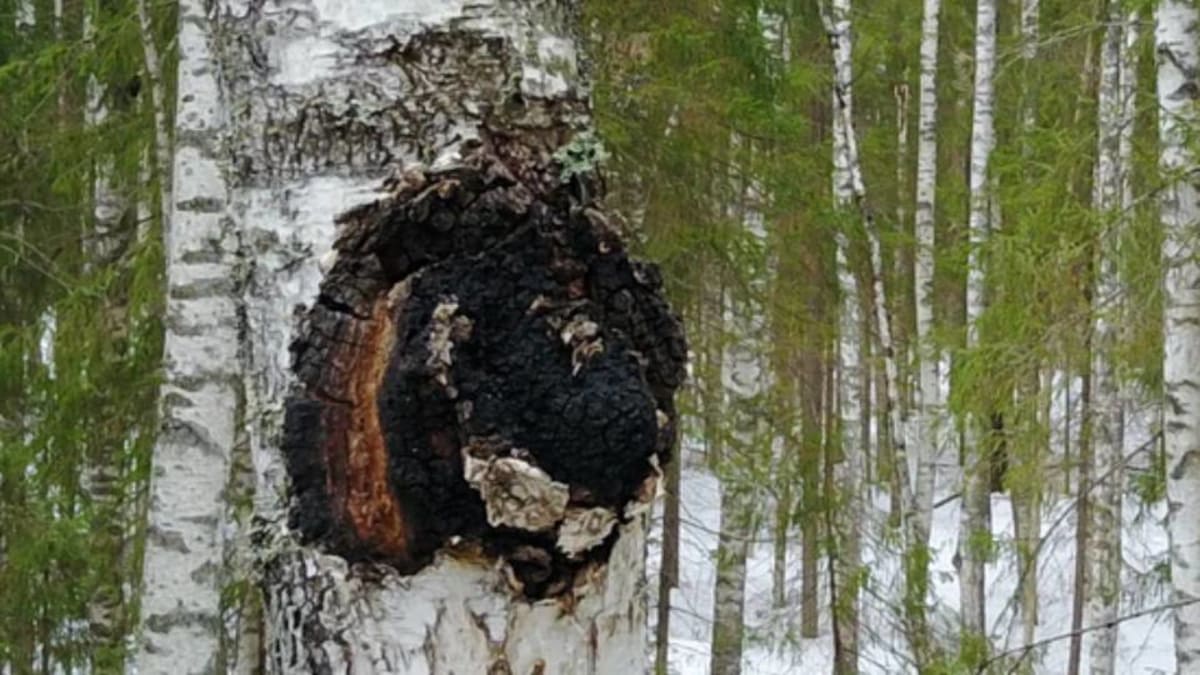
First, look for a deeply cracked outer crust. This layer looks exactly like a chunk of burnt charcoal. That dark coloration comes from an extreme concentration of melanin, a pigment that protects the inner fungal tissue from brutal ultraviolet radiation and freezing winter temperatures. A 2025 comparative study indexed in the National Library of Medicine measured this melanin absorbance at exactly 500 nanometers. This specific optical density distinguishes authentic wild cankers from lab-grown mycelium, and the measurement gives researchers a reliable analytical framework for catching the fraudulent products currently flooding the global dietary supplement market. The crust feels rock-hard. You will need heavy carbon-steel tools to penetrate it.
Second, the interior needs to display a golden-orange hue. The color transition is immediate the second you cut into the mass. The internal tissue consists of a woody matrix. It has a firm, corky texture. It never feels spongy. Look for pale marbling running throughout the core. That texture is just tightly packed sterile hyphae mixed with degraded birch wood, which creates a fibrous network that practically refuses to tear. If the internal matrix appears white, brown, green, or uniform gray, you are looking at an entirely different fungal species, because true wild specimens naturally lack the visible gills, teeth, or downward-facing pores we normally associate with reproductive mushrooms. The golden hue directly correlates with the compound density you'll extract when preparing chaga tea.
Chemical Identification and Adulteration
We use chemical profiling to verify quality after bringing a haul back from the field. Visual inspection alone cannot detect microscopic adulterants. Too many commercial products lack the actual sclerotium entirely. They swap it out for cheap mycelium grown on fermented grain. Our lab protocols catch this deception fast.
The 2025 National Library of Medicine study identified four primary triterpenoids exclusive to wild cankers. Tested samples contain 0.19 percent inotodiol and yield 0.09 percent trametenolic acid. Analysts also pick up measurable concentrations of lanosterol and 3-beta-hydroxylanosta-8,24-dien-21-al. Researchers established rigorous limits of quantification ranging from 2.61 to 15.02 nanograms for these specific compounds. These unique lipids actually originate inside the birch bark. The fungus extracts them slowly during its parasitic growth phase. We never find these molecules in liquid-cultured mycelium. We never see them in grain-fermented products either. You simply cannot bypass the metabolic specialization of the wild canker.
Starch testing provides a brilliant secondary authentication method. True chaga contains absolutely zero dietary starch. We drop a standard iodine-starch assay onto the raw materials to screen them. If the solution flashes dark blue, the batch is loaded with grain fillers. The commercial market routinely mislabels cheap oat biomass as functional mushroom powder. Unsuspecting buyers end up swallowing a high-carbohydrate filler instead of the targeted triterpenoids, rendering the final dietary supplement completely useless for complex immune modulation or localized inflammation reduction within a clinical setting.
Common Chaga Lookalikes
Beginners constantly mistake entirely different growths for chaga. We tracked four common imposters living in those exact same forest habitats. Recognizing these false targets saves wasted effort and prevents serious digestive distress. Safe foraging requires memorizing these four distinct visual profiles across all seasons and varied regional territories spanning the entire vast northern hemisphere.
Tree burls represent the most frequent imposter. A burl is just a swollen botanical outgrowth of the tree trunk itself. It forms after the tree takes on extreme environmental stress and responds by growing disorganized wood tissue in a protective mound. Cut into a burl and you find nothing but normal wood grain. The exterior matches the surrounding bark perfectly. Burls contain zero fungal compounds. You need a chainsaw to remove them, and they offer zero therapeutic value.
The False Tinder Fungus, scientifically named Fomes fomentarius, shares the same birch habitat. It presents as a hard gray hoof glued to the bark. Spot the difference by checking the shape and internal color. It lacks the chaotic blackened crust. It contains no golden-orange tissue inside. Historically, travelers dried the fibrous inner tissue of this fungus to carry hot embers between campsites. It has immense practical wilderness value but yields none of the targeted triterpenoids.
The Birch Polypore, or Fomitopsis betulina, grows horizontally from dead birch logs. It features a smooth brown cap with thousands of tiny white pores hiding underneath. Its spongy texture bears absolutely no resemblance to the dense cork of a true canker. It pops up annually and rots away just as fast. Foragers utilize this mushroom for completely different extraction protocols. Its symmetrical rubbery body bears no resemblance to a charcoal-like sclerotium.
The Willow Bracket, classified as Phellinus igniarius, often carries the label of false chaga. This woody growth prefers willow trees but occasionally jumps over to birches. It has a deeply fractured surface. Differentiate it by examining the interior structure, which appears dark brown or rusty red. It misses the bright yellow marker of our target species entirely. The body feels heavily lignified and easily resists standard hand tools.
Harvesting Safety and Toxicity Risks
Identifying the right species is only the first step. The condition of the host tree actually dictates the chemical safety of the final harvest. Strictly avoid taking material from dead or fallen timber.
When a birch dies, the parasitic canker dies right alongside it. That protective melanin crust begins to degrade. Moisture penetrates the once-solid core. We tracked massive spikes in secondary mold growth within these dead specimens. Ascomycota molds colonize the decaying tissue almost immediately. Consuming this moldy tissue introduces dangerous mycotoxins like ochratoxin and aflatoxin straight into the liquid extract, and these resilient fungal poisons will easily survive high-heat water decoctions to pass directly into the final tea. This unseen chemical contamination triggers acute gastrointestinal distress and places unnecessary filtration stress on the liver during the digestive process. This is why proper field identification is the first line of defense against toxin exposure.
Monitor the geographic location of every single harvest site carefully. Fungi act as highly aggressive environmental bioaccumulators. They absorb heavy metals. They pull industrial pollutants straight out of their immediate surroundings. Reject any material sourced near highways, active rail lines, landfills, or industrial factories. A pristine specimen pulled from a polluted forest will transfer accumulated lead and environmental arsenic straight into a morning cup, entirely negating any potential health benefits consumers originally hoped to achieve.
Sustainable extraction requires leaving at least thirty percent of the mass securely attached to the trunk. Use a sanitized hatchet to cleave off just the outer portion. Gouging deeply into the wood kills the host tree. This reckless behavior destroys the local ecosystem and permanently eliminates future harvests from that site. The tree desperately needs that remaining fungal plug to block secondary infections from destroying its delicate vascular tissue.
Frequently Asked Questions
Gordon is a former high-tech researcher who traded his silicon chips for spores. With a background in molecular visualization, he spends his time mapping the intricate structures of medicinal fungi.
References & Further Reading
- National Library of Medicine 2025 — National Library of Medicine (2025)
- Mycology 2023 — Mycology (2023)