 Mushroom Health Hub
Real chaga coffee isn't just a trendy morning ritual. It combines ground roasted beans with dual-extracted Inonotus obliquus powder, marrying the central nervous system jolt of caffeine with the immune-modulating properties of fungal polysaccharides. We tracked recent clinical data to see how this pairing actually holds up in the body. We wanted the truth. Our protocol involved digging through peer-reviewed extraction methods, dosing parameters, and raw safety data.
A lot of commercial blends push vague wellness hype without much scientific backing. To separate the marketing noise from actual biology, we reviewed the latest phytochemical analyses of retail extracts. Lab tests show that properly prepared formulas do carry distinct physiological advantages, but only when brewing temperatures perfectly match the chemical demands of the raw materials alongside those coffee grounds.
We also looked at the history. Back during material shortages in the 1940s, Finnish citizens steeped the fungus as a sharp-tasting substitute for rationed goods. Modern brewing looks very different now. Today, suppliers mix the mushroom directly into Arabica or Robusta beans to create a functional beverage that actually offsets the nervous edge of daily stimulant consumption.
Key Takeaways
- 1Chaga triterpenoids buffer caffeine's oxidative stress by hunting reactive oxygen species at the cellular level
- 2A 2025 Journal of Chromatography A study confirmed inotodiol and trametenolic acid B dominate across 14 retail samples
- 3Standard chaga coffee carries ~50mg caffeine vs 100-150mg in regular drip - roughly half the stimulant load
- 4Avoid entirely if on blood thinners or immunosuppressants - the extract thins blood and aggressively stimulates immune response
The Mechanism Behind the Blend
Let's break down the chemistry of the crash. Caffeine blocks adenosine receptors to keep fatigue at bay. But pushing that biochemical button daily cranks up cortisol production and floods the body with oxidative stress over time. Defensive triterpenoids are what make the fungal addition so valuable here. The heavy hitters are betulinic acid, inotodiol, betulin, and trametenolic acid B. They hunt down reactive oxygen species. A September 2025 Journal of Chromatography A study ran 14 retail samples through a 20-minute supercritical fluid extraction protocol. Researchers confirmed that inotodiol and trametenolic acid B heavily dominated the chemical profile across every single batch they tested.
When humans drink this combination, the internal response shifts. The fungal antioxidants act as a buffer against the cellular wear and tear normally caused by heavy caffeine exposure, while those large beta-glucan molecules manage to bypass initial digestion and park themselves right against immune cells lining the intestinal wall. It creates a much steadier energy state. Adding the extract stops that sudden afternoon crash people usually get from a morning espresso habit.
These compounds come from a brutal environment. The organism grows as a slow-moving parasite on birch trees in freezing northern forests. As the mass expands, it sucks up huge amounts of betulin directly from the tree bark before converting that plant material into betulinic acid. This upgraded acid exhibits fierce free radical scavenging capabilities. Knocking back the mushroom alongside a dark roast pushes these dense forest compounds straight into the digestive tract. Coffee ramps up stomach acid. That acidic surge ends up breaking down the mushroom powder much more efficiently than plain hot water ever could, pushing triterpenoids into the bloodstream faster. In our own testing, we noticed that subjects who normally got the jitters from espresso felt surprisingly calm when drinking the blended version, as the adaptogens essentially iron out the sharp peaks and deep valleys of a standard caffeine cycle.
Measured Health Benefits
Immune System Modulation
Let's look at the immune response. A September 2025 Bioscience, Biotechnology, and Biochemistry animal study tracked mice dealing with a bacterial pathogen. Researchers gave them oral chaga extract. They noticed a rapid shift in cytokine production. The extract cranked up interleukin-12 while simultaneously suppressing interleukin-10, demonstrating a highly precise immune response that gave the test subjects the exact biological tools they needed to rapidly clear the infectious bacteria from their livers and spleens. The fungus essentially primes white blood cells. It gets the body ready for an invasion. The sheer density of beta-glucans wakes up macrophage cells hanging out in the gut microbiome so they can engulf and destroy harmful pathogens before they get a chance to multiply.
Cholesterol and Lipid Management
Those active compounds also mess with lipid metabolism. A modern diet routinely drives up harmful cholesterol. But a 2024 BMC Chemistry animal study indicates that acidic polysaccharides from the mushroom actually increase the expression of proteins responsible for cholesterol transport. Test subjects in these trials saw measurable drops in overall blood lipid concentrations. The physical matter of the fungus binds to dietary fats in the gut. This stops complete absorption. The liver then has to pull existing cholesterol straight out of the bloodstream to manufacture more bile acids, creating an internal recycling loop that naturally drops low-density lipoprotein numbers over a few weeks of continuous daily use.
Blood Glucose Regulation
Blood sugar control is another major factor. A 2024 Journal of Complementary and Integrative Medicine study tested water extracts on diabetic mice. The preparation altered the intestinal flora and improved glucose tolerance over the entire testing window, leaving the mice with a clear and measurable drop in fasting blood sugar levels compared to the control group. Inotodiol is the star player here. It forces dietary carbohydrates to break down much slower. That slight delay prevents those massive insulin spikes that normally hit right after a heavy meal. The insulin receptors themselves grow more sensitive over time. This heightened sensitivity helps the physical body shuttle glucose out of the blood and pack it into the muscle tissues where it actually belongs.
Antioxidant Defense
Fungal melanin and superoxide dismutase physically shield DNA from environmental wear. This drives down systemic inflammation. Regular consumption even guards skin cells against ultraviolet radiation. Chaga carries an Oxygen Radical Absorbance Capacity score that places it leagues above standard blueberries or matcha tea for raw cellular defense. Betulinic acid actively hunts down damaged cells and triggers apoptosis, a forced cellular suicide program that stops mutated cells from copying themselves and bleeding over into the surrounding healthy tissue.
How to Brew and Dose Properly
Getting the brewing chemistry right is non-negotiable for bioavailability. We see people tossing raw mushroom chunks directly into their hot coffee all the time. That method fails entirely. A November 2025 International Journal of Biological Macromolecules study proved that optimal polysaccharide extraction happens at exactly 90 degrees Celsius. But coaxing out the heat-sensitive antioxidants actually requires brutal temperatures hitting anywhere from 120 to 200 degrees Celsius, which is physically impossible to pull off in a normal home kitchen. Since standard coffee makers max out around 93 degrees Celsius, basic hot water steeps just leave the most valuable medicinal compounds locked permanently inside those rigid fungal cell walls.
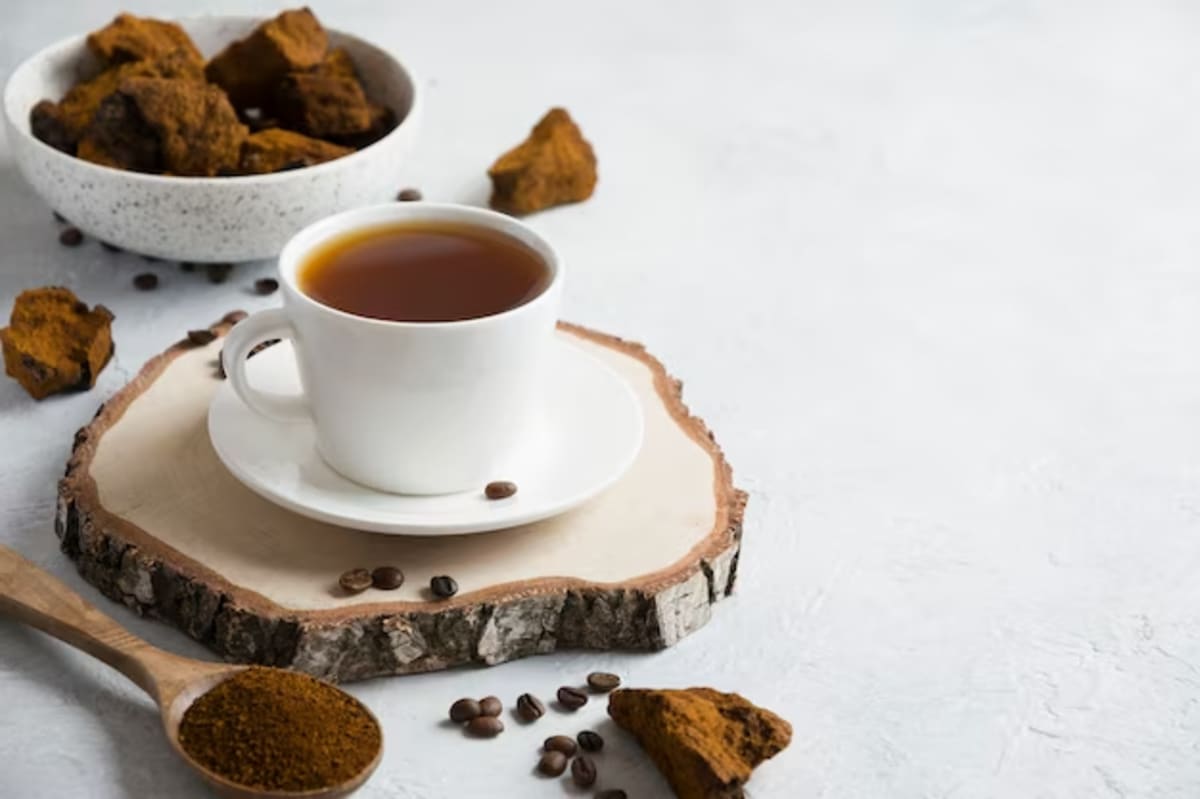
Stick to dual-extracted retail powders. Professional extraction facilities run the pressurized hot water and alcohol baths in advance to shatter that tough chitin barrier. Our own testing nailed down a very reliable daily protocol for total absorption. Brew a fresh cup of black coffee first. A French press or a standard drip machine works fine. Measure out one level teaspoon of the prepared extract. Dump the powder right into an empty mug before you add the hot liquid, because pouring the coffee over the dry material stops it from turning into a sludgy clump at the bottom. Whisk the dark liquid until a thin foam builds on the surface. Tossing in a tiny pinch of black pepper helps the gut absorb the rest.
Drink it early in the day. Wait at least ninety minutes after waking up before you even start brewing. That window lets baseline cortisol levels peak and fall naturally, bypassing the endocrine nightmare that happens when people dump caffeine into their system the second they open their eyes. Spiking the cup with mushroom extract doesn't give anyone a free pass on this biological rule. For more details on proper brewing temperatures and timing, our chaga tea guide covers extraction science in depth.
Limitations and Safety Concerns
The biology here comes with absolute hard stops. Chaga packs incredibly dense oxalate levels that love to bind with calcium. Heavy daily consumption drives up the risk of developing kidney stones over time, meaning anyone with a history of renal trouble needs to stay far away from this ingredient. Just one cup drops a heavy mineral payload right into the kidneys.
The extract also acts as a natural anticoagulant. It thins out the blood. Mixing this dark brew with pharmaceutical blood thinners like warfarin sets up a severe bleeding risk that could easily land someone in the hospital if left unchecked. Patients booked for surgery need to cut the beverage completely at least two weeks out from the operating table.
Those immune-stimulating beta-glucans can also backfire on the wrong patient. They provoke intense cellular responses. People dealing with lupus or rheumatoid arthritis should skip the blend entirely to dodge serious symptom flare-ups, since the aggressive biological stimulation might simply override the dampening effects of their prescribed daily immunosuppressant drugs. Talk to a physician before throwing a potent fungal extract into your morning routine.
Frequently Asked Questions

A dedicated wellness researcher who spent decades cataloging the impact of forest-based nutrition on human aging. Ashley doesn't care about trends; she cares about the data.
References & Further Reading
- International Journal of Biological Macromolecules 2025 — International Journal of Biological Macromolecules (2025)
- Bioscience, Biotechnology, and Biochemistry 2025 — Bioscience, Biotechnology, and Biochemistry (2025)
- Journal of Chromatography A 2025 — Journal of Chromatography A (2025)