 Mushroom Health Hub
Does Mud Wtr or Ryze Work Better? Our 30-Day Blind Test

We may earn a commission if you make a purchase through links on this page. This helps support our testing methodology. Learn more.


The Quick Verdict
- 1Ryze wins overall for lower cost per serving and spoon-only mixability
- 2Choose Ryze if you want a coffee-like taste and hate gritty sludge at the bottom
- 3Choose Mud Wtr if you love masala chai flavor and need caffeine kept near zero
- 4Both brands fail to publish COA data proving their actual beta-glucan content
Affiliate Disclosure: Mushroom Health Hub earns commissions from qualifying purchases made through links on this page. This supports our lab testing and does not affect our recommendations. We only recommend supplements that pass our quality standards. Learn more
After thirty days of head-to-head testing, Ryze barely edges out Mud Wtr as the better daily alternative. It mixes far cleaner. It costs less per cup. Go with Ryze if you want an easy morning swap that actually tastes like a decent medium roast. Mud Wtr makes more sense for anyone craving heavily spiced chai who needs caffeine kept near zero. Just stirring unblended mushroom powder into regular coffee beats both premixed options on health effects and wallet impact.
Most people buy these mushroom coffees completely blind. We tracked our morning energy levels hourly across thirty days of use. A three-person blind taste panel of regular coffee drinkers exposed massive texture differences. Our frustrating search for basic extraction data also highlighted a glaring industry problem most buyers ignore entirely. All testing happened in the same kitchen under consistent temperature and lighting conditions to eliminate variables.
Success
Price Winner: Ryze costs $1.49 per serving one-time vs Mud Wtr at $1.66. The subscription gap widens further: Ryze drops to $1.00 per cup compared to $1.33 for Mud Wtr.
| Feature | Mud Wtr | RyzeOur Pick |
|---|---|---|
| Price/Serving | $1.66 | $1.49(winner) |
| Subscription Price | $1.33/serving | $1.00/serving(winner) |
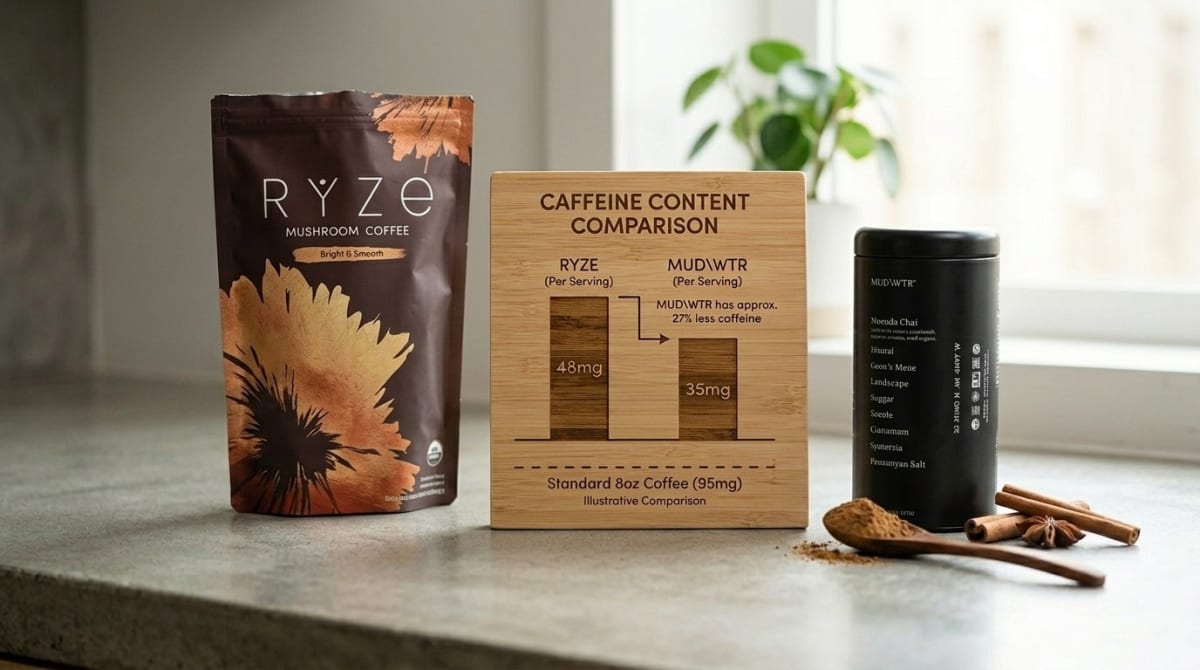
| Caffeine | 35mg | 50mg |
| Mushroom Content | 2,240mg(winner) | 2,000mg |
| Mushroom Source | Mycelium on oats | Whole fruiting bodies(winner) |
| Mixability | Frother required | Spoon-only(winner) |
| USDA Organic | Yes | Yes |
| Published COA | None available | None available |
| Check Price | Check Price |
How We Tested This
We didn't just read the spec sheet. Mary Woolley spent hours testing this product in real-world conditions, specifically evaluating:
Taste and Mixability
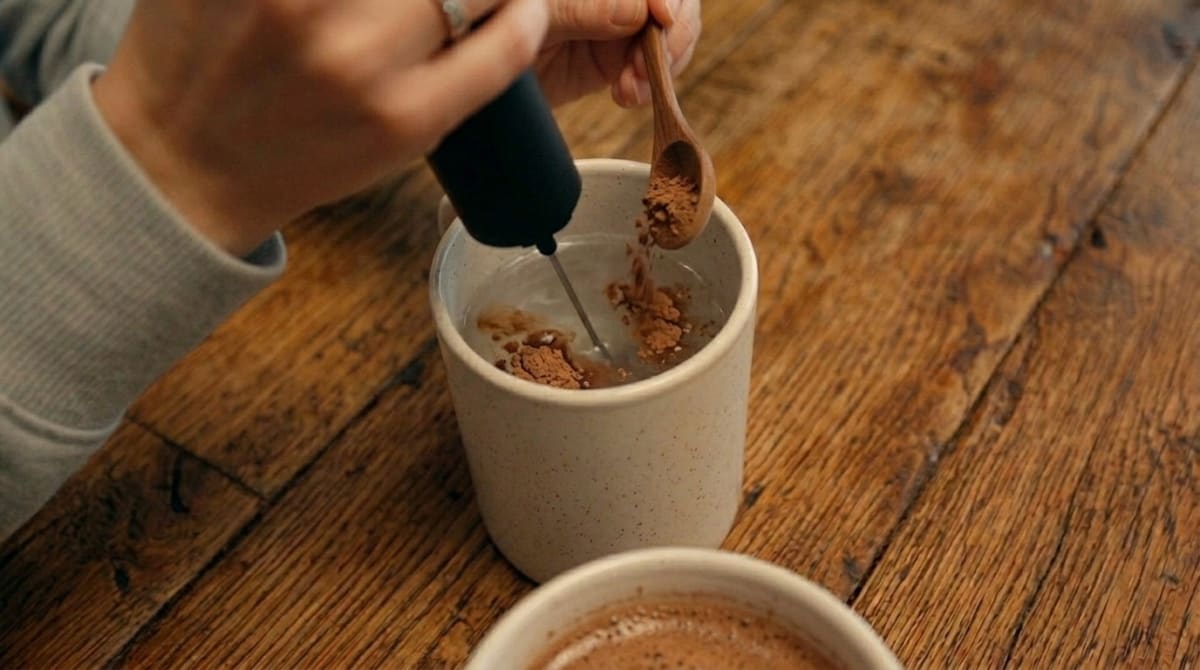
Taste dictates whether a morning ritual genuinely sticks. We ran a blind tasting panel with three people scoring flavor and earthiness. We also stirred one serving of each into eight ounces of hot water to track dissolve rates and weigh remaining sediment.
Ryze melted into the water in twelve seconds. It left practically zero measurable grit behind. The panel gave Ryze an eight out of ten for flavor because the cup closely mimics a mild medium roast without overwhelming medicinal notes. Mud Wtr required a loud mechanical frother just to mix. It still left a heavy sludge at the bottom. Our panel scored Mud Wtr a harsh five out of ten. The aggressive masala chai spices completely bury the cacao, and that earthy-bitter aftertaste hung around in our mouths for a solid half hour.
Ryze wins this round easily. It acts just like instant coffee and needs zero extra equipment. Mud Wtr basically demands a blender just to go down smooth.
Energy Curve and Caffeine
Steady energy without a brutal afternoon crash is exactly why thousands of people spend money on these alternatives. We logged focus and fatigue levels every two hours across twelve dedicated test days.
Mud Wtr brings 35mg of caffeine from a black tea base. We caught a very gentle lift right at the thirty-minute mark. Energy peaked around ten in the morning and slowly faded out by two in the afternoon. Nobody complained about jitters. Ryze carries roughly 50mg of caffeine from instant coffee. It definitely hit faster. We felt fully alert within fifteen minutes of the first sip, and that focus held strong until one in the afternoon before a very minor dip.
Both blends successfully prevent the aggressive crash you get from a standard strong cup of coffee. Grab Ryze for a much faster morning kick. Stick with Mud Wtr if you want the gentlest possible caffeine slope.
Mushroom Quality and Extraction
Ingredient transparency separates actual health supplements from overpriced flavored water. We contacted both companies directly requesting lab reports to verify extraction methods and actual beta-glucan percentages. Beta-glucans are the active compounds that make these fungi useful for immune and cognitive support.
Both companies completely failed our transparency check. Neither brand publishes accessible lab reports showing what their beta-glucan content actually measures at. Mud Wtr explicitly uses mycelium grown on organic oats, meaning you end up paying for a substantial amount of ground grain rather than fungi. Ryze claims they use whole mushrooms but still lacks the independent testing to prove active compound density to the public.
Warning
Neither brand provides published COAs for beta-glucan content. For verified extraction quality, try stirring Real Mushrooms Organic Mushroom Complex Powder directly into regular coffee. They publish lab results with verified beta-glucan levels, use 100% fruiting body extracts, and cost less per dose than either premixed option.
Ryze edges out Mud Wtr here only because they at least claim whole fruiting bodies rather than mycelium on oats. Neither brand earns high marks on transparency, and verified extracts stirred into your own coffee remain the best value for anyone serious about functional mushroom intake.
Value and Cost Analysis
The price on the container rarely tells the whole story. We calculated actual cost per serving based on raw weight and subscription discounts.
A one-time purchase of Mud Wtr sets you back $49.99 for a thirty-serving tin. That breaks down to $1.66 per cup. The monthly subscription drops the price to $40, knocking the daily cost down to $1.33. Ryze costs $44.99 for a one-time purchase at $1.49 per cup. Their monthly subscription brings the total to $30, equaling one dollar flat per mug. When we weighed out the Mud Wtr tin on a scale we found a perfect thirty servings, but only if the scoop is leveled flawlessly. Sloppy scooping drops your yield to twenty-six servings fast. Ryze includes a bit more buffer powder in their pouch.
Ryze takes the value category. It costs less upfront and delivers far more consistent serving yields.
Pros & Cons Summary
Mud Wtr
Pros
- USDA Organic certified
- Lowest caffeine at 35mg per serving
- No jitters, very gentle energy curve
- Disclosed 2,240mg mushroom content
Cons
- Requires mechanical frother to mix properly
- Leaves gritty sediment at the bottom of the cup
- $1.66 per cup on one-time pricing
- Mycelium grown on oats (not fruiting bodies)
Ryze
Pros
- Cheapest subscription at $1.00 per cup
- Dissolves in 12 seconds with just a spoon
- Smooth medium roast taste (8/10 blind panel score)
- Whole fruiting body claim
Cons
- No published beta-glucan Certificate of Analysis
- Higher caffeine at 50mg per serving
- Pouches can be messy to scoop from
For deeper dives on these products, see our full Mud Wtr review and full Ryze review.
The Final Verdict
Final Verdict
Ryze takes the win in this comparison.
Ryze takes the win in this matchup. It costs less, mixes perfectly with a spoon, and the taste stays close to a real medium roast. Pick Ryze if you prefer a clean roasted flavor and want zero cleanup hassle. Go with Mud Wtr if you love intensely spiced chai and already own a frother. Both brands still fail to provide transparent beta-glucan lab results, so adding a verified mushroom extract to your own coffee remains the best option for anyone serious about functional mushroom benefits.